
How to Talk to Your Child After a Bad Game
February 11, 2026
How to Talk to Your Child After a Bad Game
The car ride home after a tough game can be one of the most important moments in your child's soccer development. It can also be one of the most damaging if you get it wrong. I know because I got it wrong for years, and it took a particularly painful conversation with my son for me to finally understand what he needed from me after a loss.
Let me tell you about the day I said the wrong thing and what it taught me about being a better soccer parent.
The Day I Got It Wrong
My son was ten years old and his team had just lost a big game in a tournament semifinal. He had not played well. He missed a couple of chances, gave the ball away in dangerous positions, and looked out of sorts the entire game. As a parent who had watched him train hard all week, I was frustrated. Not at him exactly, but at the situation. I wanted him to succeed, and it was painful to watch him struggle.
On the car ride home, I could not help myself. I started with what I thought was constructive feedback. "You know, on that second chance, if you had just placed it instead of trying to blast it, it would have gone in." Then I moved on to, "And you need to keep your head up when you're dribbling. You kept running into defenders." I kept going, offering what I thought was helpful analysis of his performance.
My son sat in the back seat, silent. When we got home, he went straight to his room and closed the door. Later that evening, my wife told me what he had said to her: "I already know I played bad. I don't need Dad to tell me too. I just wanted him to say it was okay."
That was the moment I realized I had been approaching the post-game conversation completely wrong. My son did not need a coach after the game. He needed a parent.
Understanding What Your Child Actually Needs
After that experience, I did a lot of reading and talked to several youth coaches and child psychologists about the best way to handle the post-game conversation. What I learned completely changed my approach.
Here is the fundamental truth: your child already knows how they played. Kids are far more self-aware than we give them credit for. When they have a bad game, they know it. They feel it. And they are already being hard on themselves about it. The last thing they need is for their parent to pile on with additional criticism, even if it is well-intentioned.
What children need after a difficult game is emotional support and unconditional love. They need to know that your feelings toward them do not change based on how they performed on the field. They need to feel safe to make mistakes, because that safety is what allows them to take risks, learn, and ultimately improve.
This does not mean you can never discuss the game or offer feedback. It means you need to be thoughtful about when and how you do it.
The Car Ride Rule
After my wake-up call, I adopted what I call the car ride rule, and it has been one of the best parenting decisions I have made. The rule is simple: on the car ride home from a game, I am only allowed to say positive things.
No matter what happened in the game, the first words out of my mouth are something like, "I loved watching you play today," or "I'm proud of how hard you worked out there." If he scored a goal, great, we celebrate it. If he had a terrible game, I find something positive to point out, even if it is just his effort or attitude.
The car ride home is an emotional moment. Your child is still processing their feelings about the game, and they are looking to you for cues on how to react. If you are positive and supportive, they learn that a bad game is not the end of the world. If you are critical and disappointed, they learn that their value is tied to their performance, which is a toxic message that can follow them for years.
Here are phrases that work well on the car ride home:
- "I loved watching you play today."
- "I could see how hard you were working out there."
- "That was a tough game, but you never gave up."
- "Did you have fun?"
- "What was your favorite moment from the game?"
- "I'm proud of you no matter what."
And here are phrases to avoid:
- "You should have passed instead of shot."
- "Why did you not mark that player?"
- "If you had done what I told you, you would have scored."
- "That other kid on the team played so much better than you."
- "You need to work harder in practice."
- "We did not drive all this way for you to play like that."
The 24-Hour Rule
If there is genuinely something important you want to discuss about the game, wait at least twenty-four hours before bringing it up. This gives both you and your child time to process the emotions and approach the conversation with a clear head.
After a day has passed, the sting of the loss has faded, and your child is more receptive to thoughtful discussion. Frame the conversation around learning and growth rather than criticism. Instead of saying, "You made a lot of mistakes in the last game," try, "I noticed a couple of situations in the game where you had some options. Can we talk about what you were thinking in those moments?"
This approach turns the conversation into a collaborative learning experience rather than a lecture. Your child feels like a partner in their own development rather than a subordinate being evaluated. And they are much more likely to actually absorb and apply the feedback.
When Your Child Is the One Who Wants to Talk About It
Sometimes your child will initiate the conversation about a bad game. They might say something like, "I played really bad today," or "I keep messing up." When this happens, resist the urge to immediately jump into problem-solving mode. Instead, listen first.
Acknowledge their feelings. "It sounds like you're frustrated. That makes sense; it was a tough game." Let them express what they are feeling without trying to fix it right away. Sometimes kids just need to vent, and the simple act of being heard is enough to help them process their emotions.
If they ask for specific feedback or want to know how to improve, then you can gently offer suggestions. But let them drive the conversation. When a child asks for feedback, they are in a mindset to receive it. When feedback is imposed on them, they tend to shut down.
I have found that some of the best conversations about soccer happen organically, not right after a game but during random moments, like at dinner, before bed, or while driving to school. When the pressure of the game is removed, kids are more open and honest about their feelings and more receptive to learning.
Building Resilience Through Bad Games
Here is something that might surprise you: bad games are actually valuable for your child's development. Struggling, failing, and dealing with disappointment are all part of the learning process. A child who never has a bad game never learns how to cope with adversity, which is a critical life skill that extends far beyond soccer.
Your role as a parent is not to protect your child from bad games but to help them develop the resilience to bounce back from them. And the way you handle the post-game conversation is one of the most important factors in building that resilience.
When your child sees that you are calm, supportive, and positive after a tough game, they learn that setbacks are temporary and manageable. When they see you stressed, disappointed, and critical, they learn that setbacks are catastrophic and reflective of their worth as a person.
Some of the most significant growth I have seen in my son has come after his worst games. A terrible performance motivates him to work harder in training, and the improvement that follows builds confidence and resilience. But that cycle only works if the post-game environment is supportive enough for him to want to try again.
The Bigger Picture: What Message Are You Sending?
Every post-game interaction sends a message to your child about what you value. If you only talk about results, goals scored, and mistakes made, the message is that you value performance above everything else. If you talk about effort, attitude, enjoyment, and learning, the message is that you value the process and the person.
I want my son to love soccer for his entire life, whether he plays professionally or just kicks around in a recreational league as an adult. And the way I react to his bad games has a direct impact on whether that happens. I have seen too many talented young players quit because the pressure from their parents made the game feel like a job rather than a joy.
It is also worth remembering that your child is watching you more closely than you realize. They see how you react when things go wrong, and they model their own reactions accordingly. If you throw your hands up in frustration after a missed goal, do not be surprised when your child does the same thing. If you shrug it off and focus on the next opportunity, your child will learn to do that too.
Practical Tips for the Post-Game Conversation
Let me leave you with some practical guidelines that have worked well for our family:
- Start with connection, not correction. A hug, a high five, or a simple "I'm glad I got to watch you play" goes a long way.
- Ask open-ended questions. "What was the most fun part of the game?" or "How did you feel out there?" opens up conversation without imposing your perspective.
- Separate your emotions from theirs. Your disappointment about the game is about you, not about them. Process your own feelings separately.
- Focus on effort over outcome. Praise hard work, determination, and attitude rather than goals, wins, and individual plays.
- Keep it in perspective. Your child is playing a game. It is supposed to be fun. Losses and bad games are part of the experience and they are temporary.
- Model the behavior you want to see. Show your child how to handle disappointment with grace and positivity.
How Home Training Fits In
One of the best things about having a home training routine is that it gives your child a productive outlet for post-game frustration. Instead of dwelling on a bad game, they can channel that energy into improving the specific skills that let them down.
After a game where my son struggled with his first touch, I did not lecture him about it. I let him process his feelings, and the next day, he came to me and said he wanted to work on receiving. We pulled up a first touch session on Anytime Soccer Training and spent twenty minutes working on it. He felt empowered because he was taking action to address his own weakness, and the next game, his first touch was noticeably better.
That cycle of struggle, reflection, targeted practice, and improvement is the essence of athletic development. And it all starts with how you handle the conversation after a bad game. Get that right, and everything else falls into place.
I still think about the day my son told his mother that he just wanted me to say it was okay. That moment taught me more about being a soccer parent than any coaching course or article ever could. Your child does not need a critic after a tough game. They need a champion. Be that for them, and watch how they grow, not just as a player, but as a person.
Gear we use for this
The kit our own players train with at home.

PUGG Pop-Up Soccer Goals (Set of 2)
View on Amazon →
Adidas MLS Training Soccer Ball
View on Amazon →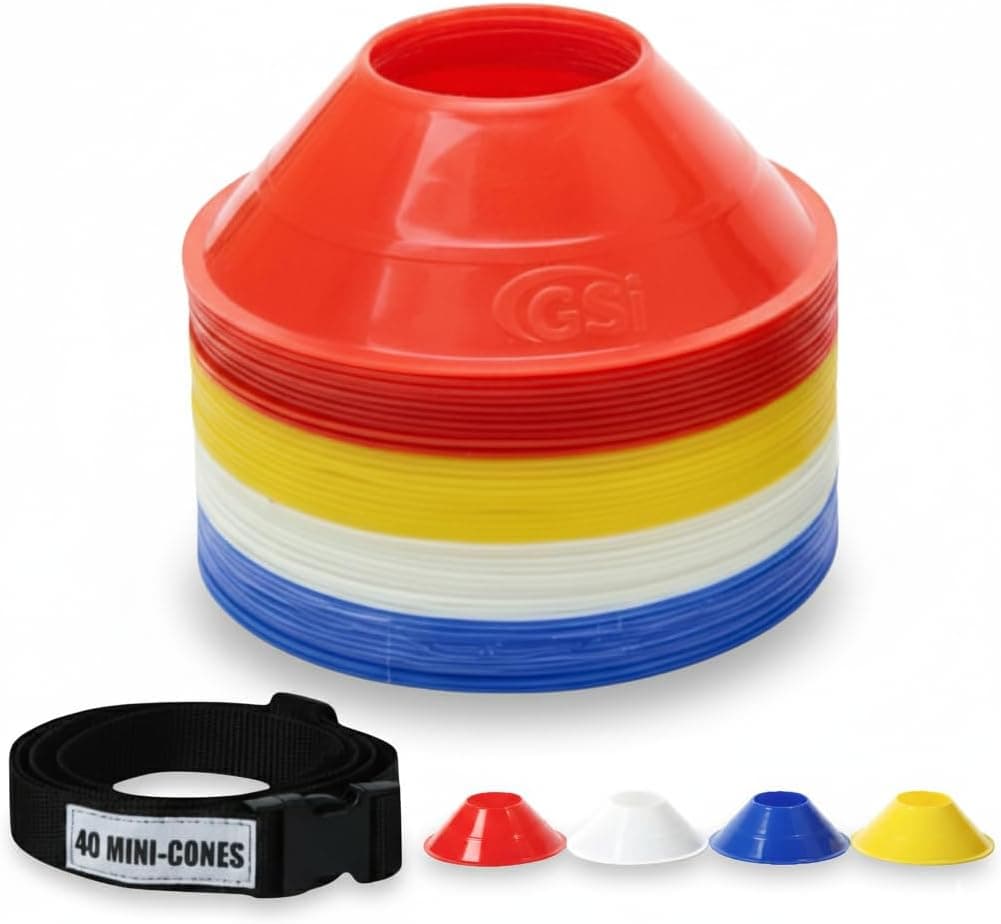
Disc Training Cones (Set of 40)
View on Amazon →As an Amazon Associate we earn from qualifying purchases, at no extra cost to you.