
How to Structure a Weekly Home Training Plan
February 4, 2026
How to Structure a Weekly Home Training Plan
One of the biggest barriers to effective home training isn't motivation — it's knowing what to do. You and your child are willing to put in the work, but when you step into the backyard with a ball and some cones, the question hits: "Now what?" Without a plan, home training becomes random, unfocused, and ineffective. You end up doing the same three drills every day, or worse, standing around debating what to practice while the clock ticks.
A well-structured weekly training plan solves this problem. It tells you exactly what to work on each day, ensures balanced development across all skill areas, and removes the decision-making friction that kills consistency. This article gives you the complete planning system — templates, principles, and specific recommendations for different ages and levels.
The Planning Principles
Before I share specific templates, let me lay out the principles that should guide any home training plan:
- Principle 1: Cover all skill domains across the week. A complete soccer player needs ball mastery, dribbling, passing, first touch, shooting, and game understanding. Your weekly plan should touch each of these at least once. You don't need to work on everything every day — that's what the week is for.
- Principle 2: Prioritize weaknesses, maintain strengths. If your child's dribbling is strong but their first touch is weak, the plan should allocate more time to first touch work. Strengths need maintenance, not heavy investment.
- Principle 3: Short daily beats long occasionally. Five 15-minute sessions per week produce better results than one 75-minute session. Young brains consolidate learning during sleep, so daily exposure followed by rest is the optimal learning cycle.
- Principle 4: Build in variety. Doing the same thing every day is boring and leads to dropout. Vary the skill focus, the specific drills, and the format (guided sessions, free play, challenges, games) across the week.
- Principle 5: Include rest. At least one full day off per week. Two is fine for younger players. Rest is when the body and brain consolidate gains. Overtraining is counterproductive.
- Principle 6: End fun, start fun. Every session should begin and end with something enjoyable. This creates a positive association with training that sustains motivation over time.
Template 1: The Beginner (Ages 5-8, New to Home Training)
Sessions per week: 4-5
Session length: 10-15 minutes
Focus: Ball comfort, basic coordination, fun
- Monday — Ball Mastery: Toe taps (2 min), sole rolls (2 min), inside-outside touches (2 min), free dribbling around the yard (4 min), juggling attempt challenge (2 min).
- Tuesday — Dribbling Fun: Dribble through a simple cone course (5 min), "Shark Attack" game with parent as shark (5 min), free play (5 min).
- Wednesday — Rest or Free Play: No structured training. If the child wants to kick a ball around, great. If not, that's fine too.
- Thursday — Passing Introduction: Rolling the ball back and forth with a partner (5 min), wall passing with inside of foot (5 min), target practice — pass at a cone (5 min).
- Friday — Fun Challenge Day: Juggling record attempt (3 min), dribbling race through cones (3 min), shooting at a target (3 min), free play (3 min).
- Saturday/Sunday: Game day if applicable. One rest day. Optional family kickaround.
At this age, the primary goal is building a love of the ball and a habit of daily engagement. Don't worry about perfection. Don't correct technique constantly. Let them explore, fail, and figure things out. If they're smiling and touching the ball, the session is a success.
Template 2: The Developing Player (Ages 8-11, Some Experience)
Sessions per week: 5
Session length: 15-20 minutes
Focus: Skill development across all areas, building consistency
- Monday — Ball Mastery + Dribbling: Ball mastery warm-up (5 min: toe taps, sole rolls, inside-outside, pull-backs). Dribbling focus (10 min: cone weaves, figure-8s, moves practice — inside cut, outside cut, step-over). Juggling challenge (3 min).
- Tuesday — First Touch + Passing: Ball mastery warm-up (5 min). Wall passing — inside of both feet (5 min). Receive and turn — pass to wall, receive on half-turn (5 min). Weak foot passing focus (5 min).
- Wednesday — Anytime Soccer Training Session: Follow a complete guided session from the platform (10-15 min). These sessions are balanced and progressive, providing professional instruction that supplements the parent-led days. Fun finish with 1v1 or shooting (5 min).
- Thursday — Moves + 1v1: Ball mastery warm-up (5 min). Move practice — work on 2-3 specific moves in isolation (7 min). Apply moves in a 1v1 against parent or sibling (8 min).
- Friday — Rest or Light Touch: No structured session. Optional juggling or free play.
- Saturday — Extended Session or Game Day: If no game, do a 25-30 minute session combining elements from the week. If game day, a 10-minute warm-up with ball mastery is sufficient.
- Sunday — Rest: Full day off.
This template provides five training contacts per week across all major skill areas. The Wednesday Anytime Soccer Training session ensures at least one day of expert-guided instruction, while the other days can be parent-facilitated using the drills and formats described.
Template 3: The Competitive Player (Ages 11-14, Club Level)
Sessions per week: 5-6 (in addition to team practice)
Session length: 20-30 minutes
Focus: Technical refinement, weak areas, tactical awareness
- Monday — Technical Refinement (Pre-Practice): Ball mastery warm-up at game speed (5 min). First touch work — wall passing with directional first touch (10 min). Weak foot focused work — passing, receiving, dribbling with non-dominant foot only (10 min).
- Tuesday — Team Practice Day: If energy allows, a 10-minute ball mastery session in the morning. Otherwise, rest. Don't stack heavy home training on top of team practice.
- Wednesday — Dribbling + Moves: Dynamic warm-up with ball (5 min). Advanced dribbling — tight cone courses at speed, combination moves (10 min). 1v1 scenarios with game context — "you receive the ball in the final third, beat the defender, and shoot" (10 min). Shooting accuracy (5 min).
- Thursday — Team Practice Day: Light ball mastery or rest.
- Friday — Anytime Soccer Training + Game Prep: Complete a guided session focused on the week's area of emphasis (15 min). Visualization for weekend game (5 min). Light juggling (5 min).
- Saturday — Game Day: Pre-game warm-up with ball mastery (10-15 min before heading to the field).
- Sunday — Recovery + Light Touch: Light juggling or ball mastery only (10 min). Focus on recovery — stretching, foam rolling, rest.
For competitive players, home training is about filling gaps that team practice doesn't address. Team practice develops tactical and team play; home training develops individual technical excellence. The sessions should feel purposeful and focused, with clear objectives tied to the player's specific development needs.
How to Use Anytime Soccer Training Within Your Plan
Anytime Soccer Training fits seamlessly into any of these templates. Here's how to maximize it:
- Use it as a complete session 2-3 times per week. The guided sessions are designed to provide a complete training stimulus in 10-15 minutes. On days when you want structured, expert-led instruction, just press play and follow along.
- Use it for warm-ups. The ball mastery modules make excellent warm-up routines. Your child can do a 5-minute guided ball mastery session before moving on to other drills.
- Use it for specific skill gaps. If the coach says your child needs to work on first touch, find the first touch modules and incorporate them into the plan. The platform allows you to target exactly what your child needs.
- Use it for variety. When you or your child get bored with the same drills, the platform provides new sessions and challenges that keep training fresh and engaging.
Tracking and Adjusting Your Plan
A plan is only useful if you follow it and adjust it over time. Here are some tips for tracking and optimization:
- Use a simple calendar. Print a monthly calendar and let your child mark an X on each day they train. The visual chain of Xs creates momentum — they won't want to break the streak.
- Review every 4-6 weeks. Ask: What's improved? What still needs work? What's getting boring? Adjust the plan based on the answers. Shift time toward areas that still need development and freshen up the drills for areas that are progressing well.
- Get coach feedback. Every month or so, ask your child's coach if they've noticed improvement and what areas still need work. This keeps your home training aligned with what matters in the team context.
- Listen to your child. If they're dreading certain sessions, change the approach. If they love a particular drill, let them do it more. The plan serves the player, not the other way around.
The Plan Is the Foundation
Without a plan, home training is random. With a plan, it's deliberate. The difference between random and deliberate practice is the difference between years of stagnation and months of transformation. A weekly training plan doesn't have to be complicated — it just has to exist, be followed, and be adjusted over time.
Start with whichever template matches your child's age and level. Modify it based on their specific needs. Use Anytime Soccer Training to provide professional instruction within the plan. And commit to consistency — not perfection, but consistency. A plan that's followed 80% of the time will produce remarkable results over a season. The key is to start.
Gear we use for this
The kit our own players train with at home.

Adidas MLS Training Soccer Ball
View on Amazon →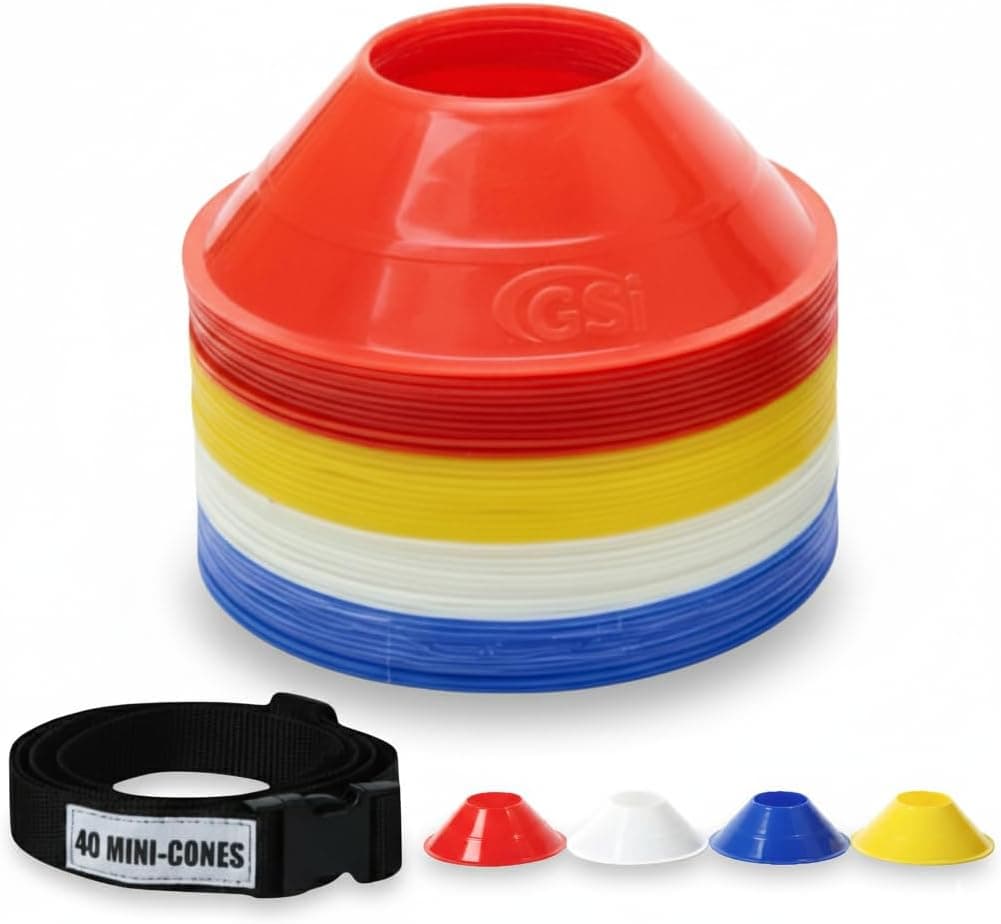
Disc Training Cones (Set of 40)
View on Amazon →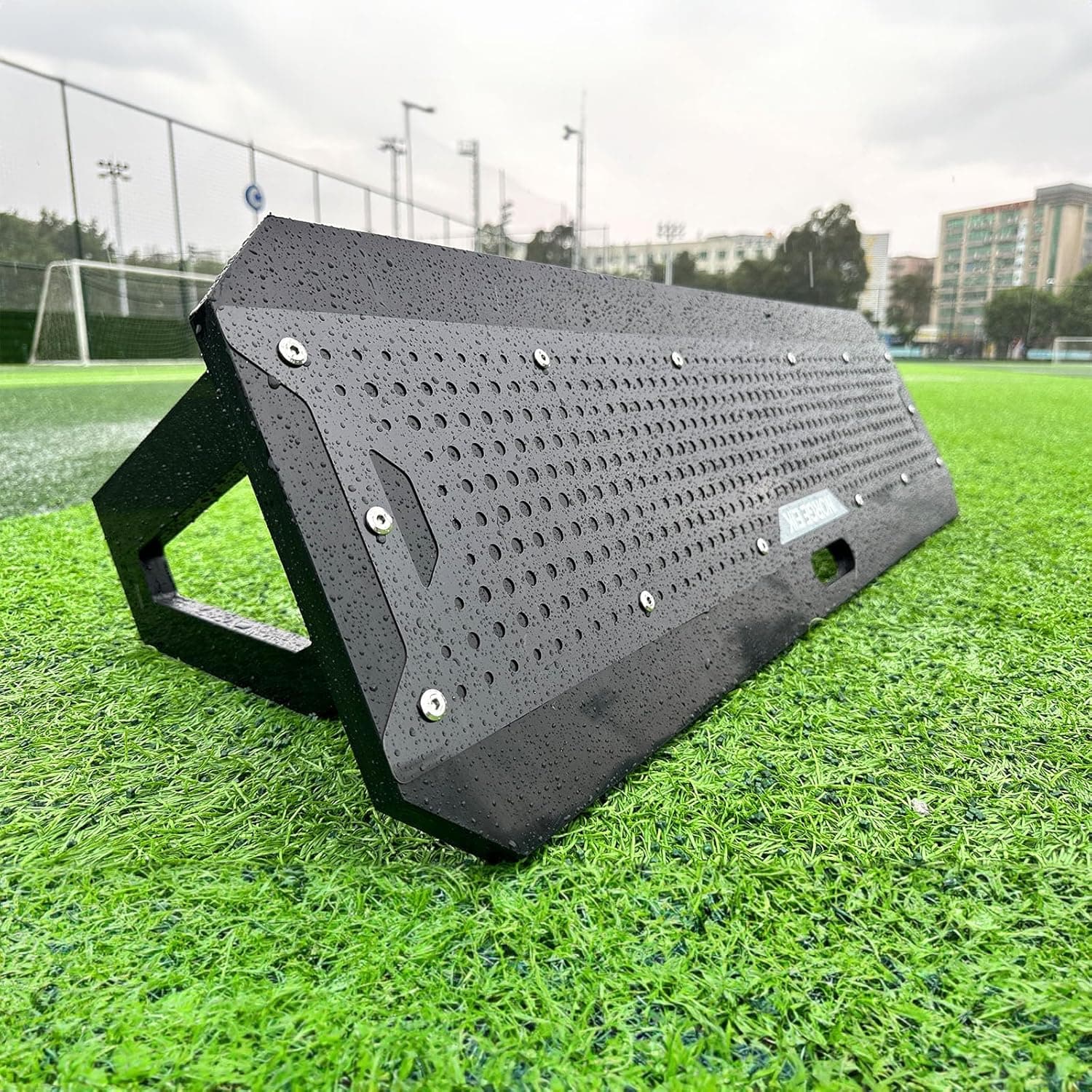
Soccer Rebounder
View on Amazon →As an Amazon Associate we earn from qualifying purchases, at no extra cost to you.