
How to Set Up a Mini Soccer Field in Your Backyard or Basement
February 19, 2026
How to Set Up a Mini Soccer Field in Your Backyard or Basement
One of the most common excuses I hear from parents about home training is, "We don't have enough space." I get it. Not everyone has a massive backyard with a perfectly manicured lawn. Some families live in apartments. Some have tiny yards. Some deal with harsh weather that makes outdoor training impractical for months at a time.
But here is the truth: you do not need much space at all for effective home soccer training. In fact, some of the best skill development happens in tight spaces because it forces close control and quick feet. I have set up training areas in our backyard, in our garage, in our basement, and even in our living room when I moved the furniture aside. And all of them worked.
Let me walk you through exactly how to set up a functional mini soccer field or training area in whatever space you have available, along with the equipment you need and the budget required.
Assessing Your Available Space
The first step is to take an honest look at what space you have to work with. Here are the minimum space requirements for different types of training:
- Ball mastery and footwork: A space roughly six feet by six feet. That is about the size of a small bathroom. Seriously. Most ball mastery exercises can be done standing in one spot.
- Dribbling and cone work: A space roughly ten feet by twenty feet. This is about the size of a single-car garage or a small living room with the furniture pushed back.
- Passing and first touch with a wall: You need about ten to fifteen feet of distance from a flat wall. A garage wall, basement wall, or even the side of your house works perfectly.
- Shooting practice: You need about twenty to thirty feet of distance and a target or mini goal. This usually requires an outdoor space, but a large basement or garage can work too.
- One-on-one and small-sided games: A space roughly twenty feet by thirty feet. A standard backyard or driveway is usually sufficient.
The point is that you do not need a full-size soccer field. You do not even need a particularly large space. Most individual skill development can happen in a surprisingly small area.
Setting Up an Indoor Training Area
Indoor training is a lifesaver during bad weather, dark winter evenings, and for families who do not have outdoor space. Here is how to set up an effective indoor training area:
The Garage Option:
If you have a garage, this is often the best indoor training space. Clear out enough room to create a roughly ten by fifteen foot area. This is enough for ball mastery, dribbling, and wall passing. If you have a two-car garage and can clear one side, you will have plenty of space.
- Park the car outside or to one side and clear the other side
- Use painter's tape to mark out the training area boundaries
- Make sure the floor is clean and free of debris
- Consider adding a thin rubber mat if the concrete is very rough, though most training can be done on bare concrete
- Use the garage wall for passing and first touch work. A flat, smooth wall without obstructions is ideal
The Basement Option:
Finished basements can be excellent training areas. The key considerations are ceiling height and floor surface.
- You need at least eight feet of ceiling clearance for most skills. If the ceiling is lower, you can still do ball mastery and dribbling but will need to avoid any skills that involve getting the ball in the air
- Carpet is fine for ball mastery and dribbling. Hard floors like tile or laminate are better for wall passing because the ball rolls more predictably
- Move fragile items out of the training area. Balls do go astray, and you do not want to be replacing lamps and picture frames
- Use a softer ball or a futsal ball indoors to reduce noise and minimize the risk of damage
The Living Room Option:
Yes, you can train in the living room. I have done it. It is not ideal, and you need to take precautions, but on days when there is truly no other option, it works for basic ball mastery.
- Push furniture to the walls to create as much open space as possible
- Use a soft training ball or even a rolled-up pair of socks. Seriously, ball mastery with a pair of socks is a real thing and it works
- Stick to stationary exercises like sole rolls, tick tocks, and foundation touches
- Avoid any shooting, passing, or activities where the ball could go flying across the room
- This should be a last resort, not a primary training area, but it is better than skipping training entirely
Setting Up an Outdoor Training Area
If you have any outdoor space at all, you can create a fantastic training area with minimal investment. Here is how to make the most of what you have:
Small Backyard (fifteen by twenty feet or more):
A small backyard is actually perfect for individual skill training. Here is a basic setup:
- Mark out a training area using cones or markers at the corners
- Set up a row of five to eight cones for dribbling exercises, spacing them about three feet apart
- If you have a fence or wall, use it for passing and first touch work
- Add a small portable goal or create one using cones for shooting practice
Medium Backyard (twenty by forty feet or more):
With a medium backyard, you can create a genuine mini field:
- Set up two small goals at either end for one-on-one games and shooting practice
- Use cones to mark out a boundary that creates a mini pitch
- Create a separate area for dribbling courses and cone work
- Add a rebounder on one side for first touch and passing practice
Driveway or Patio:
Hard surfaces like driveways and patios are actually excellent for training because the ball rolls faster and more predictably, which helps develop a quicker touch.
- Use the garage door or house wall for passing practice
- Set up cones for dribbling on the driveway
- A futsal ball works great on hard surfaces and is better for developing close control than a regular soccer ball
- Be mindful of neighbors if the driveway is close to other properties and you are doing shooting practice
Essential Equipment on a Budget
You do not need to spend a fortune on equipment for home training. Here is what I consider essential and what I consider optional, along with approximate costs:
Essential:
- A good soccer ball (appropriate size for your child's age): fifteen to twenty-five dollars. Size 3 for ages five to eight, size 4 for ages eight to twelve, size 5 for ages twelve and up.
- Cones or markers (set of ten to twenty): eight to fifteen dollars. You can also use water bottles, shoes, or any small objects as markers.
- A flat wall to pass against: free. Most homes have a suitable wall somewhere. The side of a garage, a basement wall, or a retaining wall all work.
Highly Recommended:
- A rebounder or bounce-back net: thirty to seventy dollars. This is probably the single best investment you can make for home training. It returns the ball to your child at various angles, making it perfect for first touch and passing practice. It also allows your child to train completely independently.
- A portable mini goal (or two): twenty to fifty dollars each. Small pop-up goals are inexpensive and make shooting practice and small-sided games much more fun and realistic.
- A futsal ball: fifteen to twenty-five dollars. Futsal balls are heavier and have less bounce than regular soccer balls. Training with one develops superior touch and control. Plus, they work great on hard indoor surfaces.
Nice to Have:
- An agility ladder: ten to twenty dollars. Great for footwork and coordination training.
- Speed hurdles (set of six): fifteen to twenty-five dollars. Good for agility and plyometric exercises.
- A training mannequin or pole: twenty to forty dollars. Useful for practicing dribbling around defenders.
- A ball pump: five to ten dollars. A properly inflated ball makes a big difference in training quality.
Total investment for the essentials: roughly twenty-five to forty dollars. Total investment including highly recommended items: roughly one hundred to two hundred dollars. That is a one-time cost that will last for years of training.
Creating the Right Training Environment
Beyond the physical setup, there are a few things you can do to make your training area more inviting and effective:
Make it accessible. Keep your training equipment organized and easy to grab. If your child has to dig through a garage full of clutter to find the cones and the ball, they are less likely to train. We keep everything in a large bin right next to the door, so grabbing it and heading outside takes about thirty seconds.
Add some personality. Let your child customize the training area. My son put up a poster of his favorite player near our garage training spot. He named different drills after professional players. Small personal touches make the space feel like his rather than just another chore location.
Consider lighting. If your child trains after school, especially in winter months, you may need additional lighting. An inexpensive LED floodlight can extend your training window well into the evening. We mounted one on the side of the house pointing at our backyard training area, and it made a huge difference during the shorter days.
Think about noise. If you are training indoors or have close neighbors, consider using a softer ball to reduce noise. A futsal ball is quieter than a regular soccer ball on hard surfaces, and foam balls or soft training balls are even quieter for indoor use.
Training Programs That Work in Small Spaces
One of the reasons I recommend Anytime Soccer Training for home training is that the sessions are specifically designed to work in small spaces. The coaches demonstrate skills in limited areas, and the exercises do not require large fields or extensive equipment. Most sessions can be done in a space no bigger than a single-car garage.
This makes it perfect for families who are working with limited space. Your child can follow along with a professional coach, doing real skill development, in your basement, garage, backyard, or even your living room. The space is not the limiting factor; the willingness to train is.
Adapting for Different Seasons
One of the biggest challenges for home training is adapting to different seasons and weather conditions. Here is how we handle it:
- Spring and Fall: These are the ideal outdoor training months. We use the backyard for most sessions and take advantage of the good weather.
- Summer: We train early in the morning or in the evening to avoid the heat. Staying hydrated is essential during summer training.
- Winter: We move indoors to the garage or basement. The training is slightly different because the space is smaller, but ball mastery and close control work great in tight indoor spaces.
- Rainy days: Garage or basement sessions. We actually enjoy the change of scenery, and my son feels like he is getting a bonus training day when he can train even though the weather is bad.
The Bottom Line
Do not let space be the reason your child does not train at home. Whether you have a big backyard, a small patio, a garage, or just a living room, there is a way to make it work. The most important soccer skills, ball mastery, first touch, and close control, can all be developed in a space no bigger than six feet by six feet.
Set up your training area, grab the essential equipment, and start with just ten minutes a day. Your child's development does not depend on having a perfect facility. It depends on having a ball at their feet and the willingness to put in the work. Everything else is just details.
Gear we use for this
The kit our own players train with at home.
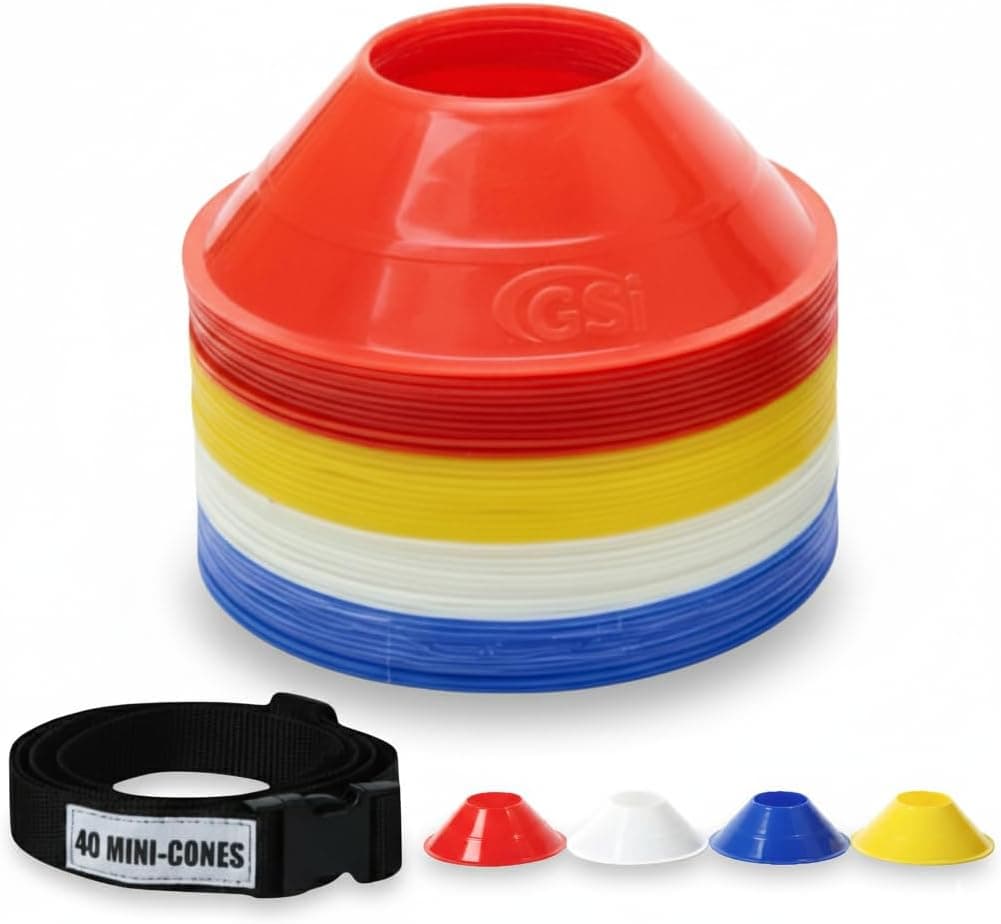
Disc Training Cones (Set of 40)
View on Amazon →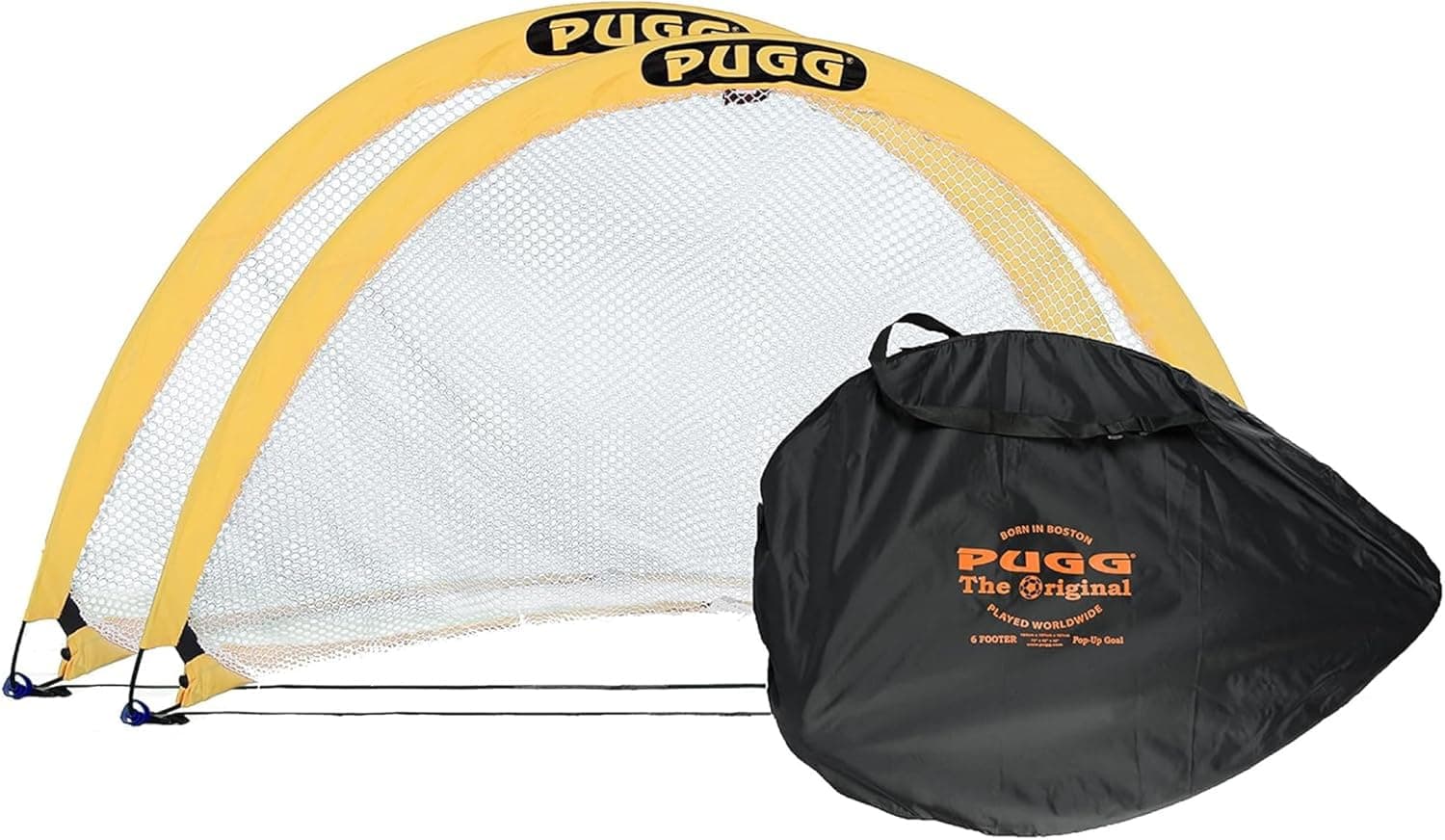
PUGG Pop-Up Soccer Goals (Set of 2)
View on Amazon →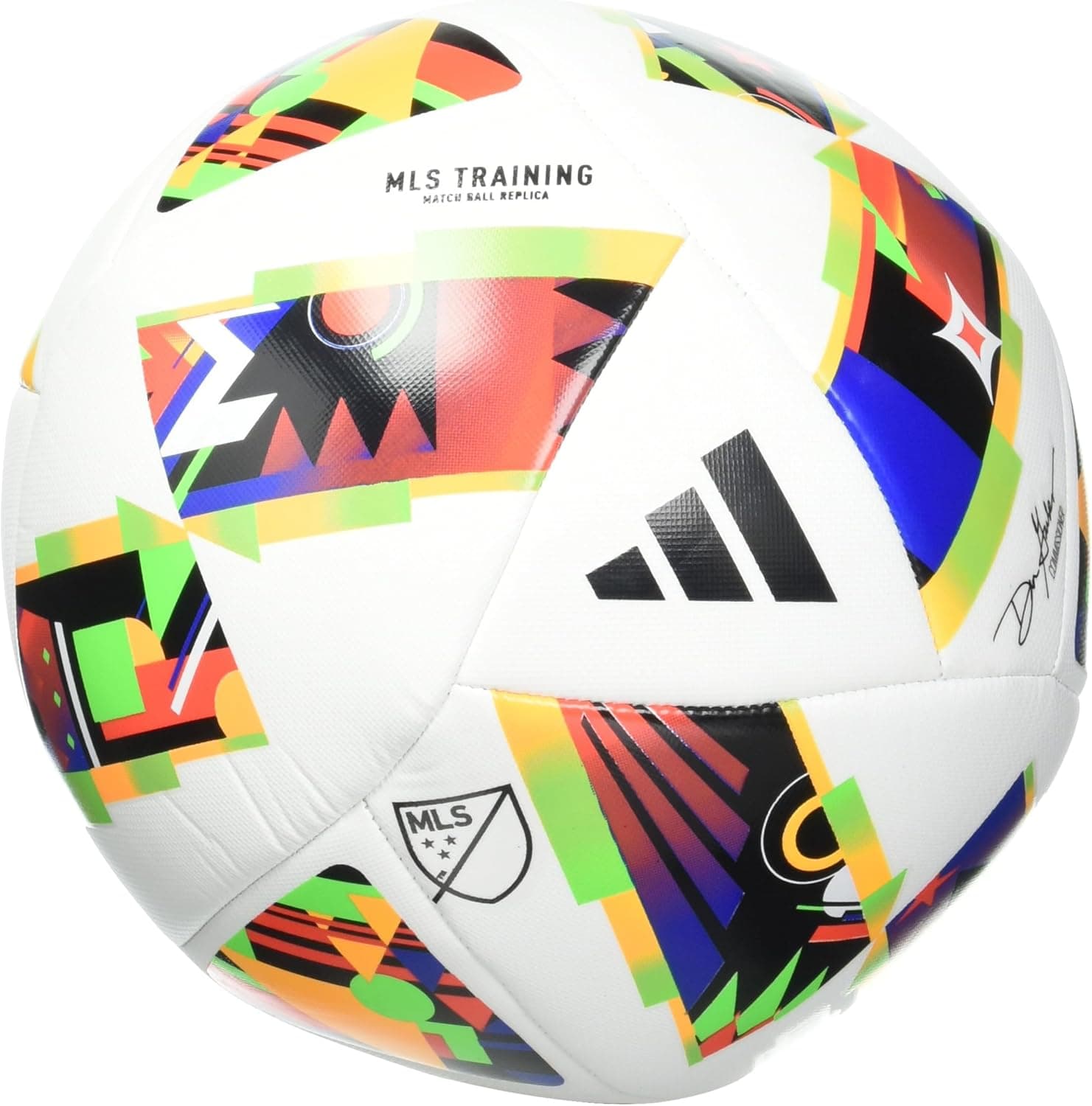
Adidas MLS Training Soccer Ball
View on Amazon →As an Amazon Associate we earn from qualifying purchases, at no extra cost to you.