
How to Keep Soccer Training Fun at Home
February 9, 2026

How to Keep Soccer Training Fun at Home
There is a moment that changed everything about how I approach home training with my kids. My son was eight years old, we had been doing drills in the backyard for about twenty minutes, and he looked at me with the most defeated expression and said, "Dad, can we stop? Soccer isn't fun anymore."
Those words hit me like a punch to the gut. Here was a kid who absolutely loved soccer, who would sleep in his jersey the night before games, who watched every match he could on TV, and I had managed to make him not want to play. I had turned something he loved into something he endured, and I did not even realize I was doing it.
That moment was my wake-up call. I completely overhauled our approach to home training, and what I learned in the process is something I think every soccer parent needs to hear: training can be both effective and fun. In fact, it has to be both. Because the moment it stops being fun, the learning stops too.
Why Fun Is Not the Opposite of Effective
There is a misconception among parents that if training is fun, it must not be serious enough. That real development requires grinding through boring drills with military discipline. This could not be further from the truth.
Research in sports science and motor learning consistently shows that athletes learn skills faster and retain them longer when they are engaged, enjoying themselves, and intrinsically motivated. When a child is having fun, their brain is in a state that is optimized for learning. They are focused, they are present, and they are more likely to push themselves voluntarily.
On the flip side, when a child is bored, anxious, or going through the motions, their brain is essentially in survival mode. They are doing the minimum required to get through the session, and very little actual learning is taking place. You might be putting in the time, but you are not getting the results.
So fun is not the enemy of development. Fun is the vehicle for development. And once I understood that, everything changed.
Idea 1: Turn Drills Into Competitions
Kids are naturally competitive. Even kids who do not seem competitive will light up when you turn a drill into a game with a winner and a loser. The simplest way to make any training activity more fun is to add a competitive element.
Here are some examples of how to do this:
- Beat the clock: Time your child doing a drill and challenge them to beat their own time. This is great for dribbling through cones, completing a ball mastery routine, or juggling.
- Point system: Assign points to different achievements during training. One point for a completed skill, bonus points for doing it with the weak foot, double points for doing it perfectly. Keep a running score across sessions.
- Parent versus child: Compete against your child in age-appropriate challenges. Juggling contests, shooting accuracy competitions, one-on-one games. Even if you have no soccer skill, trying your best and losing gracefully is a great experience for your child.
- Challenge streaks: How many days in a row can your child complete a specific challenge? The longer the streak, the bigger the eventual reward.
When we started turning our training sessions into mini competitions, my son's enthusiasm went through the roof. He was the same kid who had asked me to stop playing, and now he was asking for extra time so he could try to beat his record. Same skills being practiced, completely different experience.
Idea 2: Use Games, Not Just Drills
There is a big difference between drills and games, and most home training leans too heavily on drills. A drill is a repetitive exercise designed to develop a specific skill. A game is an activity with objectives, rules, and outcomes that requires decision making and skill application in a more dynamic context.
Both have their place, but games are inherently more fun because they involve unpredictability, problem solving, and the thrill of winning or losing. Here are some games we play at home that develop real soccer skills:
- World Cup one-on-one: Play one-on-one to two mini goals. Keep score and play a tournament bracket against imaginary teams or countries. My son narrates the action like a commentator while he plays, which is both hilarious and a sign that he is fully engaged.
- Target practice: Set up targets using cones, buckets, or targets on a wall. Award different point values to different targets. Take turns shooting and keep score.
- Dribble tag: If you have more than one child or can invite a friend over, play tag while everyone dribbles a ball. You have to maintain control of your ball while trying to tag others or avoid being tagged.
- Knockout: Both players dribble in a small area. Try to kick the other person's ball out of the area while protecting your own. Last ball standing wins.
- Obstacle course: Set up a course that requires dribbling, turning, passing to a target, shooting, and sprinting. Time it and try to set a personal record.
The beautiful thing about these games is that they develop the same skills as traditional drills but in a context that is engaging and fun. Your child is practicing dribbling, passing, shooting, and decision making without feeling like they are in a training session.
Idea 3: Let Your Child Lead Sometimes
One of the reasons my son was not having fun was that I was controlling everything. I chose the drills, I set the intensity, I decided when we were done. He had no ownership of the experience, and it felt like another obligation being imposed on him.
When I started letting him lead some sessions, the dynamic completely changed. Some days he would design his own obstacle course and challenge me to try it. Other days he would want to re-create a skill he saw on TV and spend the whole session working on it. Sometimes he would come up with completely ridiculous games that had nothing to do with real soccer skills but were incredibly fun.
And here is the thing: those sessions were still productive. Even when my son was doing something that did not look like traditional training, he was touching the ball, moving his body, and staying engaged with soccer. That is infinitely more valuable than a perfectly structured drill session that he hates.
I would suggest splitting your home training sessions roughly 50/50. Half the time, follow a structured program like Anytime Soccer Training to ensure progressive skill development. The other half, let your child choose what they want to work on or make up their own games. This balance gives them both the structure they need and the freedom they want.
Idea 4: Train with Friends
There is nothing that motivates a kid more than having a friend to train with. Invite a teammate or a neighbor over for a joint training session and watch the energy level skyrocket. Kids push each other, compete with each other, and have fun together in a way that is hard to replicate with just a parent.
Some of our best home training sessions have happened when my son's friend comes over. They naturally turn everything into a competition, they encourage each other to try harder, and they keep going long after they would have quit if training alone. A fifteen-minute planned session often turns into forty-five minutes when a friend is involved.
If organizing regular joint training sessions sounds like a lot of work, it does not have to be. Even having a friend over once a week for a soccer play date can make a huge difference in your child's motivation and enjoyment.
Idea 5: Celebrate and Reward Progress
Kids thrive on positive reinforcement. Celebrating small wins and acknowledging progress keeps them motivated and makes training feel rewarding rather than punitive. This does not mean you have to hand out trophies for everything, but recognizing effort and improvement goes a long way.
Here are some ways we celebrate progress in our house:
- Juggling wall of fame: We have a whiteboard in the garage where we track personal juggling records. When someone sets a new record, it goes on the board. My son checks it every day and is constantly trying to top his previous best.
- Skill unlocks: When my son masters a new skill, we celebrate it like a video game unlock. We even came up with names for different levels of mastery: bronze, silver, gold, and diamond. He loves working toward the next level.
- Weekly rewards: If my son trains consistently all week, he gets to pick a special activity for the weekend. Usually it is something soccer-related like going to a professional game or getting new shin guards, but sometimes it is completely unrelated. The reward does not matter as much as the recognition of effort.
- Video highlights: I occasionally film my son doing a skill he has mastered and we watch it back together. He loves seeing himself on video, and it reinforces how far he has come.
Idea 6: Use Technology Wisely
I used to think that screen time and soccer training were incompatible. But the reality is that technology, used wisely, can be a powerful motivator for young players. Apps and platforms that gamify training, track progress, and provide variety can make home training significantly more engaging.
Anytime Soccer Training does this really well. The follow-along format means your child is watching a screen, yes, but they are also moving, touching the ball, and developing skills the entire time. The platform's challenge system and progress tracking add a gamification element that keeps kids coming back. My son treats it like a video game where the controller is a soccer ball, and that mindset keeps him engaged.
Watching professional soccer together is another great use of technology. When your child sees Messi do a move and then goes outside to try it, that connection between watching and doing is incredibly powerful for motivation. We watch match highlights together and then go try to recreate our favorite moments, which is both educational and fun.
Idea 7: Know When to Back Off
This might be the most important lesson I have learned, and it is one that does not come naturally to most driven parents. Sometimes the best thing you can do for your child's development is to back off and give them space.
If your child is having a bad day and genuinely does not want to train, it is okay to take a day off. If they are going through a period where they seem less interested in soccer, it is okay to reduce the training load. Forcing a child to train when they are mentally or emotionally checked out is counterproductive and risks creating negative associations with the sport.
The goal is long-term development, and that requires a healthy relationship with training. A child who occasionally takes a day off but genuinely enjoys their training will develop far more over years than a child who trains every day under duress but eventually burns out and quits.
After my son asked me to stop playing, I gave him two weeks off from any structured training. During that time, I noticed him kicking the ball around on his own in the yard, playing pickup games with the neighborhood kids, and watching soccer on TV with renewed interest. When we came back to structured training, he was refreshed and motivated. Sometimes the best thing you can do is simply get out of the way.
The Bottom Line
Keeping soccer training fun at home is not about lowering standards or avoiding real development. It is about creating an environment where your child wants to train, where they are engaged and motivated, and where the skills develop naturally through play and competition.
If your child dreads training time, something needs to change. And it is probably not your child who needs to change; it is the approach. Try some of the ideas in this post, see what resonates with your child, and be willing to adapt. Every kid is different, and what works for one might not work for another.
The day my son asked me to stop playing soccer was painful. But it was also the best thing that could have happened because it forced me to rethink everything. Now, training at home is the highlight of our day. And his development has never been better. Funny how that works.
Gear we use for this
The kit our own players train with at home.
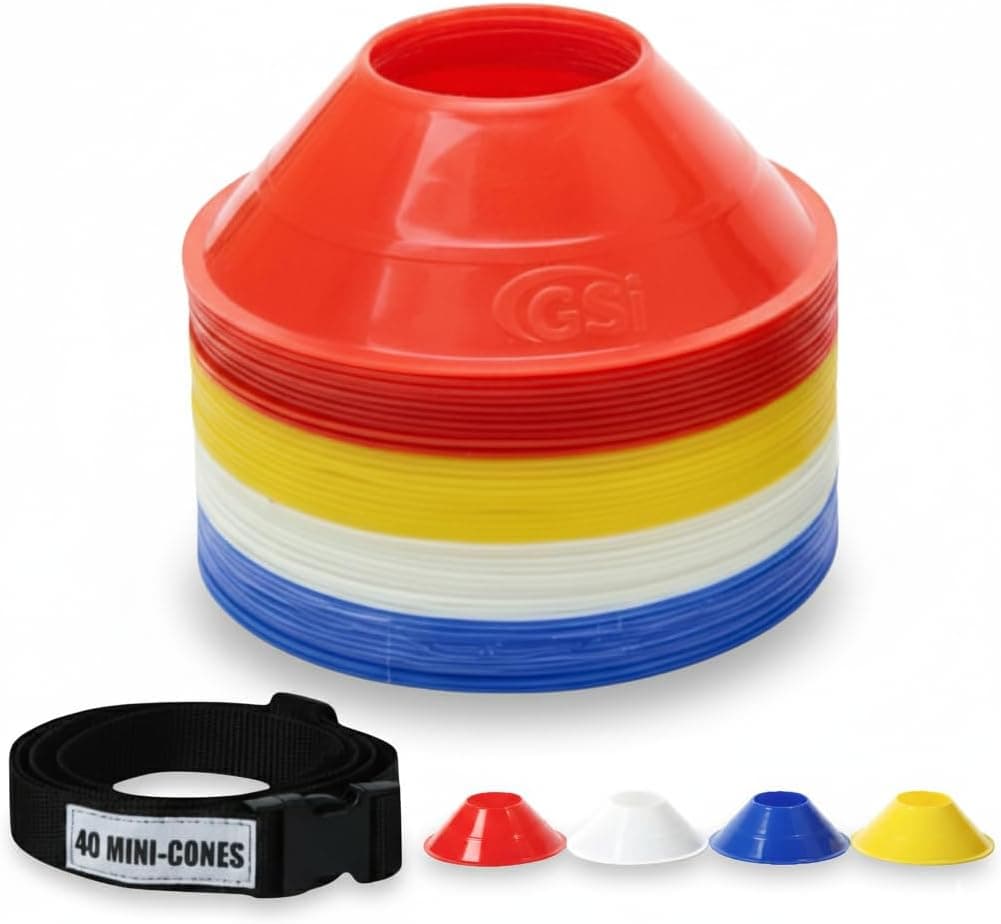
Disc Training Cones (Set of 40)
View on Amazon →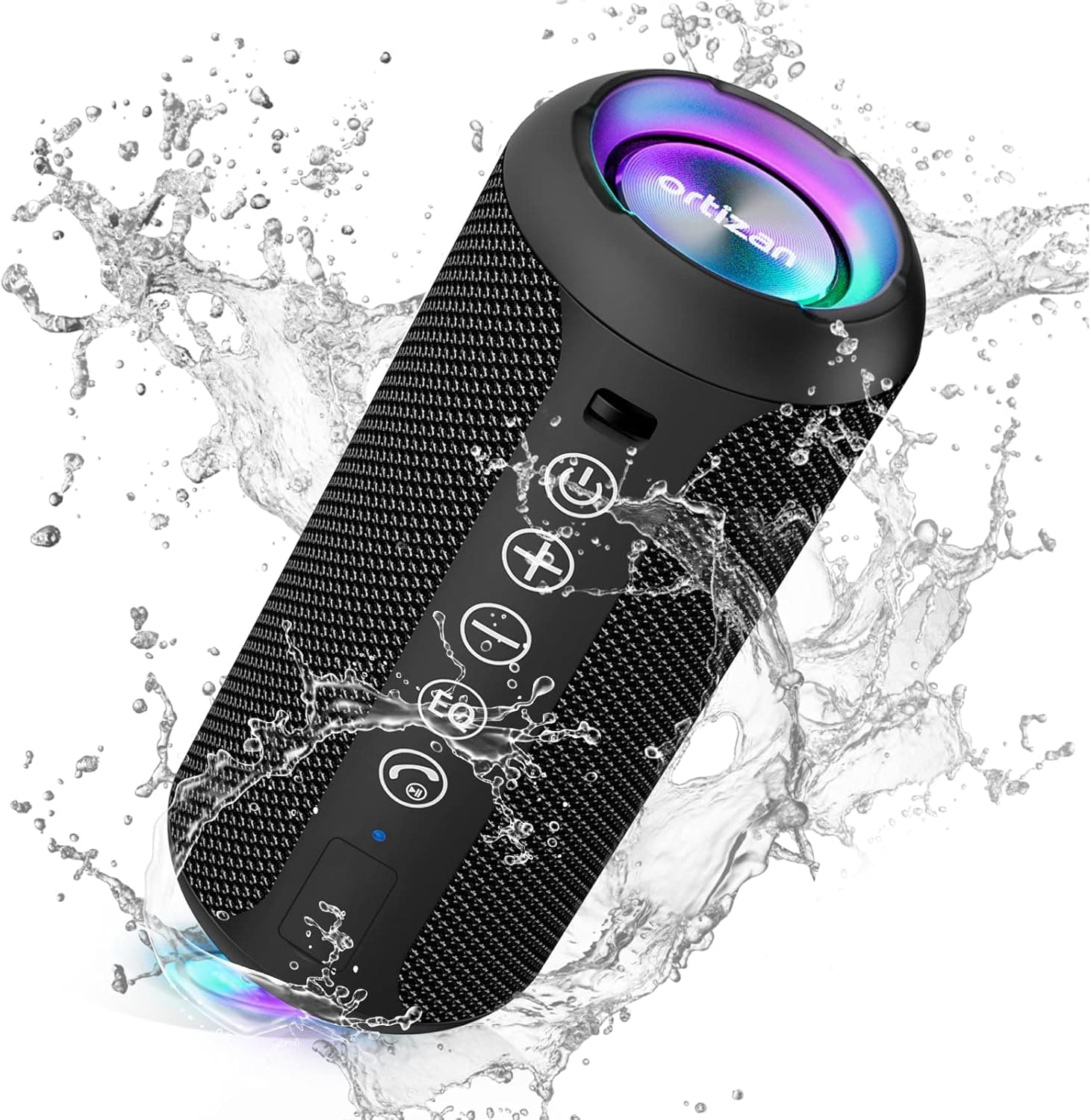
Bluetooth Speaker
View on Amazon →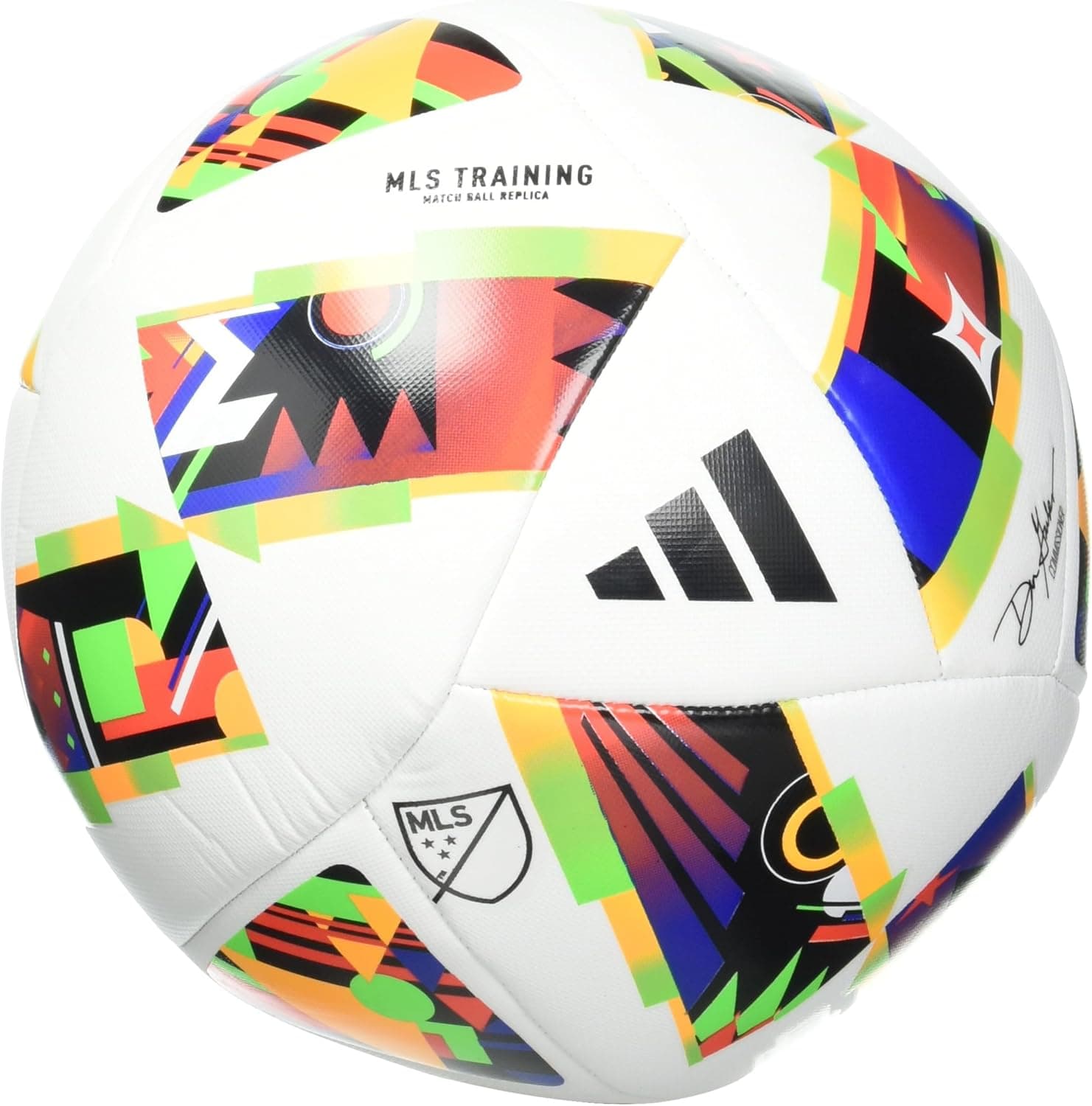
Adidas MLS Training Soccer Ball
View on Amazon →As an Amazon Associate we earn from qualifying purchases, at no extra cost to you.