
How to Improve Your Childs First Touch at Home
November 19, 2025
How to Improve Your Child's First Touch at Home
If there is one skill that coaches at every level agree is the foundation of everything else in soccer, it is first touch. The ability to receive the ball cleanly and put it exactly where you want it with your first contact sets the stage for every pass, dribble, and shot that follows. A player with a great first touch always has time and space. A player with a poor first touch is always under pressure.
The good news is that first touch is one of the most trainable skills in soccer, and home training is the perfect environment to develop it. In team practice, each player gets limited opportunities to receive the ball. At home, your child can get hundreds of first-touch repetitions in a single session.
This guide will walk you through everything you need to know to help your child develop a first touch that will transform their game.
Understanding What Makes a Good First Touch
Before diving into drills, it helps to understand what separates a good first touch from a bad one. A good first touch has three qualities:
- It kills the speed of the ball. The ball should not bounce away or roll out of control. It should settle quickly and stay within playing distance.
- It moves the ball into a good position. A great first touch does not just stop the ball; it directs it to where the player wants to go next, whether that is into space for a dribble, into position for a shot, or onto the path for the next pass.
- It is done with the appropriate surface. Skilled players choose the right part of their foot, thigh, or chest based on the speed, height, and angle of the incoming ball.
The technical key to a good first touch is cushioning. Instead of presenting a rigid surface that the ball bounces off of, the receiving surface gives slightly on contact, absorbing the ball's energy. Think of the difference between catching an egg and hitting it. You want your foot to catch the ball softly.
The Surfaces of First Touch
Your child should eventually be comfortable receiving with all of these surfaces:
- Inside of the foot: The most common receiving surface. Used for ground passes and low balls. The large flat area provides a reliable cushion.
- Outside of the foot: Used to receive and redirect in one motion, especially when turning away from pressure. More advanced but essential for high-level play.
- Sole of the foot: Used to stop the ball dead or to pull it back. Common in tight spaces and futsal-influenced play.
- Laces/top of foot: Used for balls dropping from height. The foot acts like a shelf, cushioning the ball as it drops.
- Thigh: Used for balls arriving at mid-height. The thigh cushions the ball down to the feet.
- Chest: Used for higher balls. The chest absorbs the ball and drops it to the feet or redirects it.
The Essential First Touch Drills for Home Training
Drill 1: Wall Cushion
This is the bread and butter of first touch training and requires nothing more than a ball and a wall.
Setup: Stand about 8-10 feet from a wall.
Execution: Pass the ball against the wall with firm pace. As it comes back, cushion it with the inside of your foot, absorbing the speed so the ball settles within one step of your feet. Then pass it again.
Progression:
- Start with dominant foot only, two-touch rhythm (receive, pass)
- Switch to weak foot only
- Alternate feet on each touch
- Increase the firmness of the initial pass so the return is harder to cushion
- Step farther back to increase the challenge
- Receive with inside of foot and direct the ball to the side before passing again
Aim for 50 touches per foot per session. This single drill, done three times a week, will produce noticeable improvement in first touch within a month.
Drill 2: Self-Toss and Cushion
This drill develops the ability to receive balls from the air, a skill that separates advanced players from intermediates.
Setup: Open space, no equipment needed besides a ball.
Execution: Toss the ball up to various heights. As it comes down, cushion it with different surfaces: laces, thigh, chest. The goal is to have the ball settle at your feet in one touch, not bouncing away.
Progression:
- Start with gentle tosses at thigh height, cushion with top of foot
- Toss higher, use thigh to cushion down to feet
- Toss high, use chest to cushion to feet
- Combine: chest to thigh to foot in a controlled sequence
- Add movement, tossing slightly ahead and moving to receive
Drill 3: The Directional First Touch
In a game, you rarely want your first touch to stop the ball dead. Usually, you want to push it into space, away from a defender, or into a shooting position. This drill trains that intention.
Setup: Place three cones in a triangle about five feet apart. Stand in the middle.
Execution: Have a parent or sibling pass the ball to you from various angles. On your first touch, direct the ball toward one of the three cones. The first touch is both a receive and a directional push.
Progression:
- Start with the passer calling which cone to direct the ball toward
- Progress to the player choosing based on the angle of the pass
- Add speed to the passes to increase difficulty
- Add a passive defender near one cone so the player must choose to direct away from pressure
Drill 4: Moving First Touch
Receiving the ball while standing still is easier than receiving while on the move, and games demand the latter far more often.
Setup: A wall or rebounder and a line of cones to run along.
Execution: Jog along the line of cones. At each cone, pass the ball against the wall and receive the return while continuing to move forward. The first touch should push the ball ahead of you in your direction of travel.
Progression:
- Start at walking pace
- Increase to jogging pace
- Increase the firmness of passes
- Alternate receiving foot at each cone
- Change direction after receiving to simulate turning in a game
Drill 5: The Pressure First Touch
This drill simulates the game reality of receiving under pressure and is best done with a training partner.
Setup: A parent or sibling stands behind the player as a passive defender.
Execution: A second person passes the ball to the player. The player must receive and turn away from the defender in one smooth motion. The first touch is simultaneously a receive and an escape.
Progression:
- Start with the defender standing still and passive
- The defender can call out man on or turn to give the player information
- The defender adds light pressure, stepping toward the ball
- The defender applies more realistic pressure
- Vary the side the defender is on so the player must check their shoulder and choose which way to turn
Common First Touch Mistakes and How to Fix Them
- Stiff ankle: The most common mistake. If the ankle is locked rigid, the ball will bounce away. Teach your child to relax the ankle and let the foot give on contact, like catching a water balloon.
- Reaching for the ball: Instead of letting the ball come to them, many kids lunge forward to meet it. This creates an awkward body position and a rushed, uncontrolled touch. Teach patience and let the ball travel to them.
- Only using the dominant foot: Most young players default to their dominant foot even when the ball arrives on the other side. Dedicated weak-foot first touch work is essential.
- No intent on the touch: Many kids just stop the ball without thinking about where they want it to go. Every first touch should have a purpose and a direction.
- Not looking before receiving: The best players scan the field before the ball arrives so they know where to direct their first touch. Build the habit of checking over the shoulder before receiving.
Building the Daily Habit
First touch improves with volume. The more receptions your child makes, the more natural and instinctive it becomes. I recommend making first touch work a part of every home training session, even if it is just five minutes of wall work as a warm-up.
Anytime Soccer Training includes dedicated first touch sessions and progressions that take the guesswork out of training. Your child can follow along with video demonstrations that show proper technique at every level, making it easy to train independently and see continuous improvement.
A great first touch is not magic and it is not talent. It is the result of thousands of repetitions, each one building the soft, controlled, intentional receiving that transforms a good young player into an exceptional one. Start today, be consistent, and give your child the gift of a first touch that opens up the entire game for them.
Gear we use for this
The kit our own players train with at home.
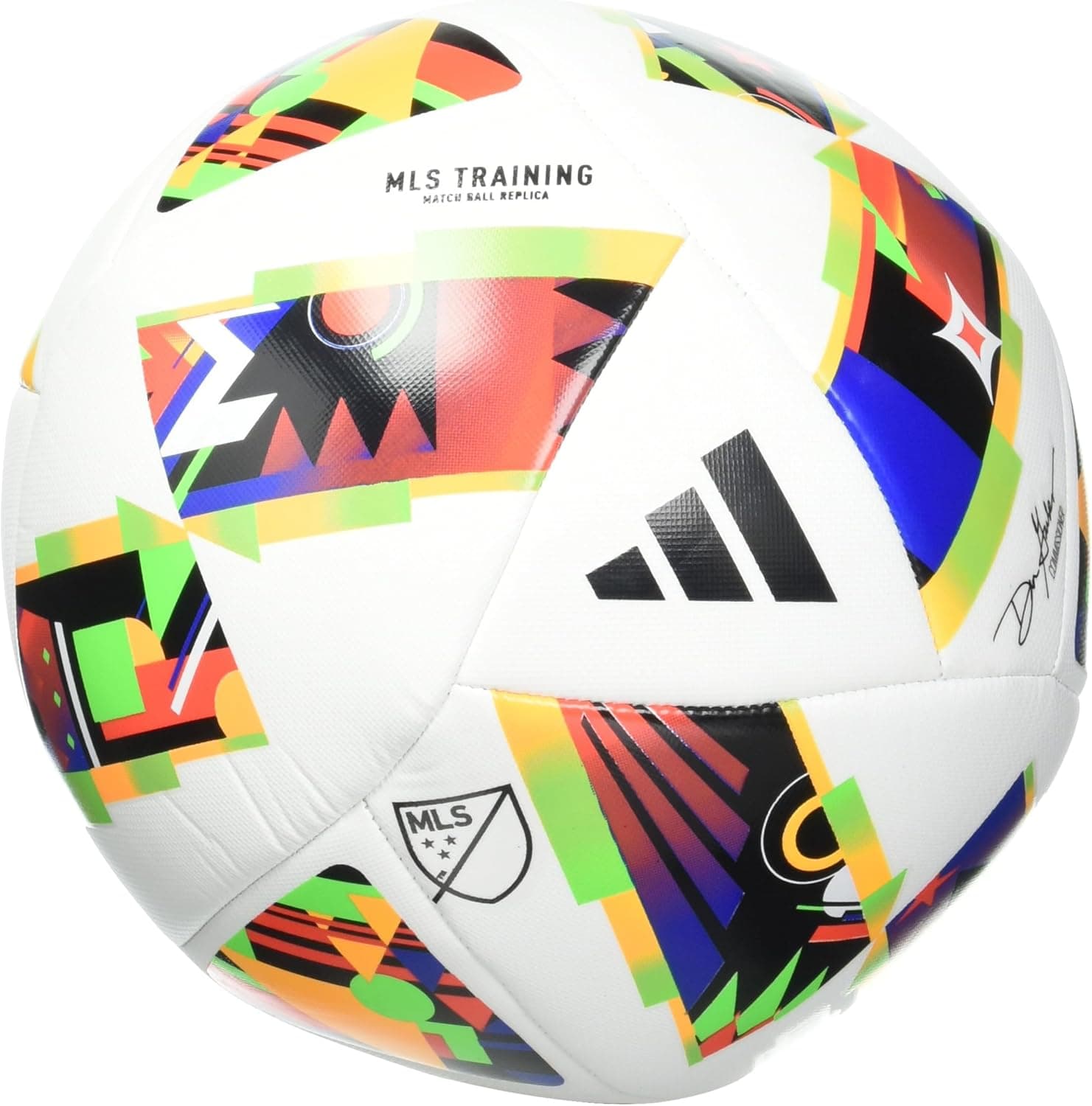
Adidas MLS Training Soccer Ball
View on Amazon →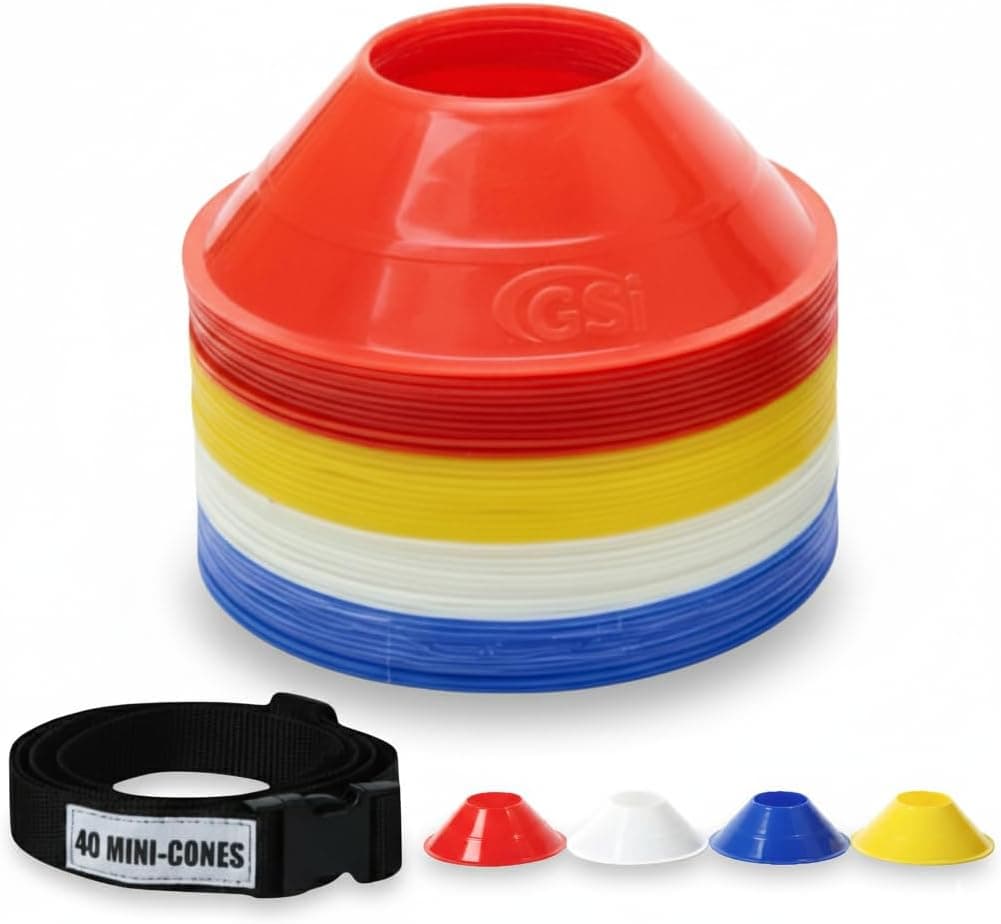
Disc Training Cones (Set of 40)
View on Amazon →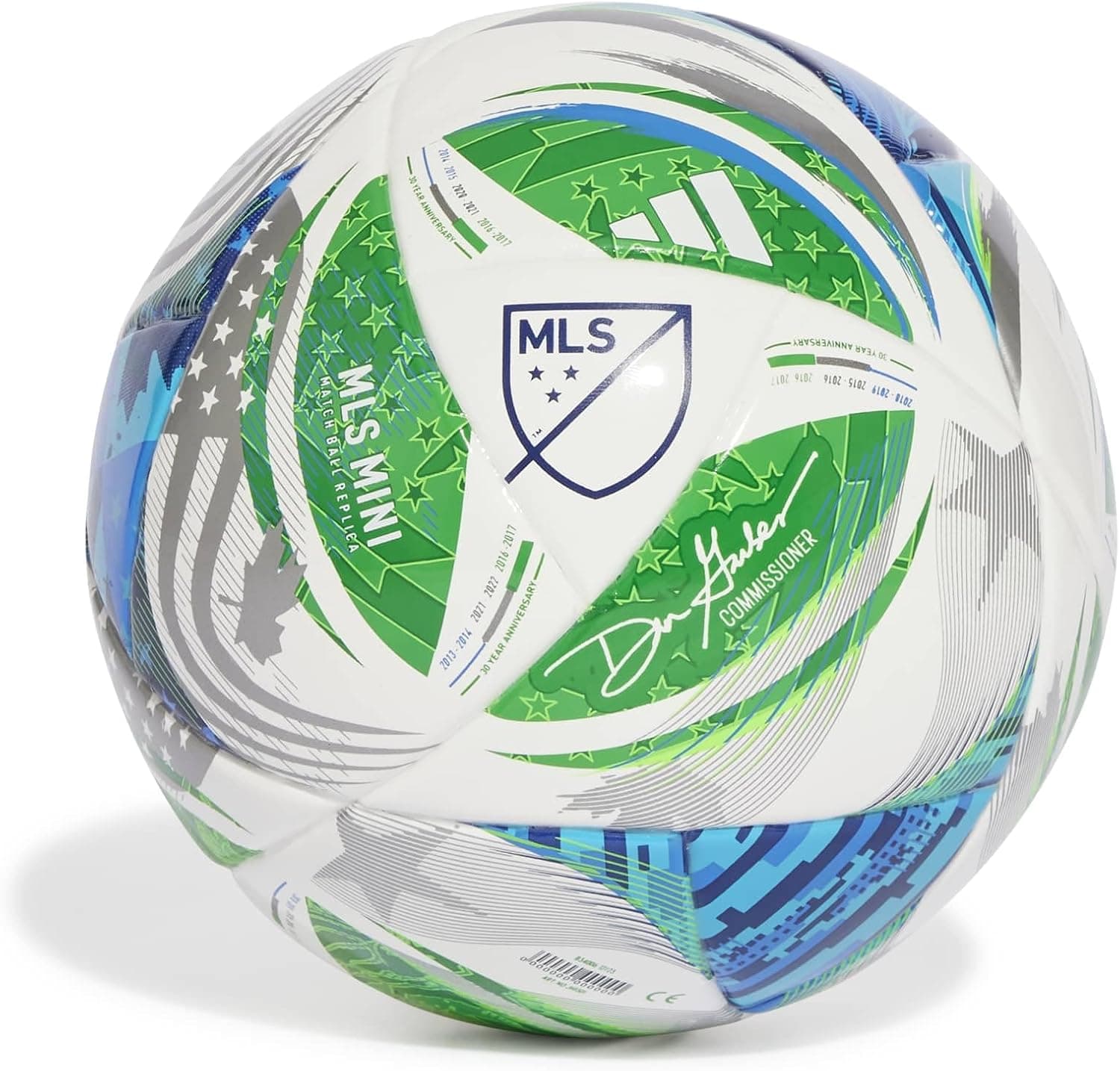
Size One Soccer Ball
View on Amazon →As an Amazon Associate we earn from qualifying purchases, at no extra cost to you.