
How to Handle Tryout Rejection
December 9, 2025

The Call That Every Soccer Parent Dreads
I still remember the evening we got the email. My son had just tried out for the top team at his club — the team all his friends were on, the team he'd been dreaming about for months. He'd prepared for weeks, trained hard, and walked onto the tryout field with genuine confidence. Two days later, the email arrived: "Thank you for trying out. Unfortunately, we are unable to offer your son a spot on the team at this time."
My stomach dropped. Not because of the soccer implications — because I knew I was about to walk into my son's room and watch his heart break.
If you're reading this, there's a good chance you've been through something similar, or you're bracing for the possibility. Tryout rejection is one of the most emotionally challenging experiences in youth soccer, and it affects parents almost as much as it affects kids. How you handle this moment can shape your child's relationship with soccer — and with failure — for years to come.
The First 24 Hours: What to Do (and What Not to Do)
The immediate aftermath of tryout rejection is critical. Your child is experiencing real grief — the loss of a dream, the sting of being told they're not good enough, the fear of facing friends who made the team. Here's how to navigate it:
Do: Validate Their Feelings
"I know this really hurts, and I'm sorry." That's it. That's the first thing to say. Not "there will be other opportunities" (true but unhelpful right now). Not "the coach doesn't know what he's doing" (tempting but destructive). Not "you need to work harder" (accurate perhaps, but terrible timing). Just acknowledge the pain. Let them feel it.
Crying is okay. Anger is okay. Silence is okay. Whatever your child needs to do to process this, let them do it. Your job in this moment is to be a safe harbor, not a motivational speaker.
Don't: Contact the Coach in Anger
This is the hardest advice to follow, but it might be the most important. In the heat of the moment, it's incredibly tempting to fire off an email to the coach demanding an explanation, questioning their judgment, or advocating for another look. Do not do this.
I've seen parents torpedo their child's future with a club by sending angry emails within hours of a tryout result. Coaches talk to each other. Directors of coaching remember which parents are difficult. That email you send at 10 PM on a Tuesday night, fueled by righteous parental fury, could follow your child for years.
If you want to reach out to the coach for feedback — and you should — wait at least 48 hours. When you do reach out, be respectful, grateful, and genuinely seeking constructive input. "Thank you for the opportunity. We'd love to understand what areas my son can work on to improve his chances in the future. Any guidance would be greatly appreciated." That kind of email gets a positive response. The angry kind gets you blacklisted.
Do: Separate Your Feelings From Theirs
Here's an uncomfortable truth: sometimes we're more devastated by our child's rejection than they are. We've invested time, money, and emotional energy into their soccer journey. We've sat through hundreds of practices and games. We've driven thousands of miles. And on some level, their rejection can feel like our rejection too.
But this isn't about us. Your child needs to see you handling this with grace and perspective. If you fall apart, they learn that failure is catastrophic. If you get angry at the coach, they learn to blame others. If you shrug it off too quickly, they feel like their pain doesn't matter. Find the middle ground: calm empathy with quiet confidence that this isn't the end of the road.
The Days That Follow: Processing and Planning
After the initial sting fades (give it two to three days), it's time to start looking forward. This is where the real parenting happens — where you help your child transform disappointment into motivation.
Have an Honest Conversation
When your child is ready, sit down and talk about what happened. Ask them how they feel the tryout went. Do they think there were areas where they struggled? Are there skills they wish they'd been better at? This conversation should be gentle and exploratory, not interrogative.
Often, kids are more self-aware than we give them credit for. My son, after a few days of processing, told me, "I think the other kids were just faster than me, and my left foot is really bad." He wasn't wrong on either count. And by identifying those areas himself, he was already taking the first step toward addressing them.
Seek Coach Feedback
If the tryout coach is willing to provide feedback (and most good coaches are), this information is gold. It gives you specific, expert-informed areas to focus on. Common feedback themes for young players include:
- Speed and athleticism
- Weak foot ability
- First touch quality
- Decision-making speed
- Defensive positioning
- Communication on the field
Take notes. Be grateful. And then use that feedback to build a development plan.
Create a Development Plan
This is where rejection becomes a gift — if you let it. With specific feedback in hand, you now have a roadmap for improvement. And the beautiful thing about most of these skill areas is that they can be developed at home, on your own schedule, with consistent practice.
For my son, the plan was simple:
- Speed and agility: Three short sprint and agility sessions per week
- Weak foot: Dedicated left-foot work in every training session using guided drills from Anytime Soccer Training
- Ball mastery: Daily 10-minute ball mastery routines to improve overall comfort on the ball
We didn't try to overhaul everything at once. We picked the two or three most impactful areas and committed to working on them consistently. No pressure. No urgency. Just steady, daily improvement.
The Long Game: Building Resilience Through Setback
Here's what I wish someone had told me before my son's first tryout rejection: this experience, handled well, will be one of the most valuable things that ever happens to him in soccer.
I'm not saying that to minimize the pain. I'm saying it because resilience — the ability to bounce back from failure, learn from it, and keep moving forward — is the single most important quality in successful athletes. And resilience can only be built through actual setbacks. You can't teach it in theory. You have to live it.
Kids who make every team, win every game, and never face real adversity in sports are often the ones who crumble when they eventually do face it — in high school, college, or life. Kids who experience rejection early and learn to respond to it constructively develop an inner toughness that serves them forever.
Stories of Rejection That Became Fuel
Almost every elite athlete has a rejection story. Lionel Messi was told he was too small. Michael Jordan was cut from his high school varsity team. Carli Lloyd nearly quit soccer entirely before dedicating herself to a comeback that led to two World Cup titles.
These stories aren't anomalies. They're the norm. The path to excellence runs straight through failure. Your child's tryout rejection isn't a dead end — it's a plot point in their story.
Practical Steps for Moving Forward
Once you've processed the emotions and gathered feedback, here's a concrete action plan:
1. Find the Right Team
Your child still needs to play. Whether that's a lower-level team at the same club, a different club, or a recreational league, getting back on the field quickly is important. Playing on a team where they can succeed and enjoy the game rebuilds confidence and maintains their love of soccer.
2. Commit to Home Training
The gap between tryout rejection and the next tryout opportunity is where the real work happens. Establish a home training routine that addresses the specific areas identified for improvement. Use Anytime Soccer Training to follow structured programs that target weak areas systematically.
The key is consistency: 15-20 minutes, four to five times per week. Not grueling marathon sessions. Not pressure-filled drills with a stopwatch. Just steady, enjoyable skill development that builds competence and confidence over time.
3. Track Progress
Help your child see their improvement. Keep a simple log of training sessions and measurable milestones: juggling records, timed dribbling courses, weak-foot accuracy, etc. When your child can look back and see concrete evidence of how far they've come, it reinforces the belief that effort matters.
4. Keep the Big Picture in View
Remind yourself — and your child, when appropriate — that youth soccer is a journey, not a destination. Making or missing a particular team at age 10 or 12 has essentially zero predictive power for long-term success in the sport. What matters is continued development, love of the game, and the character qualities being built along the way.
Our Outcome: A Happy Ending (With a Twist)
Six months after my son's rejection, he tried out again. This time, he made the team. But here's the twist: by the time he made it, the team he'd been cut from wasn't even his top choice anymore. The months of home training had given him so much confidence and technical ability that a higher-level team at a different club recruited him directly.
His tryout rejection was the best thing that happened to his soccer development. Not because rejection is inherently good, but because of what we chose to do with it. We didn't wallow. We didn't blame. We worked. And the results spoke for themselves.
If your family is going through tryout rejection right now, I know it doesn't feel like a gift. It feels like a gut punch. But I promise you — if you handle it with empathy, build a plan, commit to consistent improvement, and keep the love of the game alive, your child will come out the other side stronger, more skilled, and more resilient than ever.
And that's worth more than any roster spot.
Gear we use for this
The kit our own players train with at home.

Adidas MLS Training Soccer Ball
View on Amazon →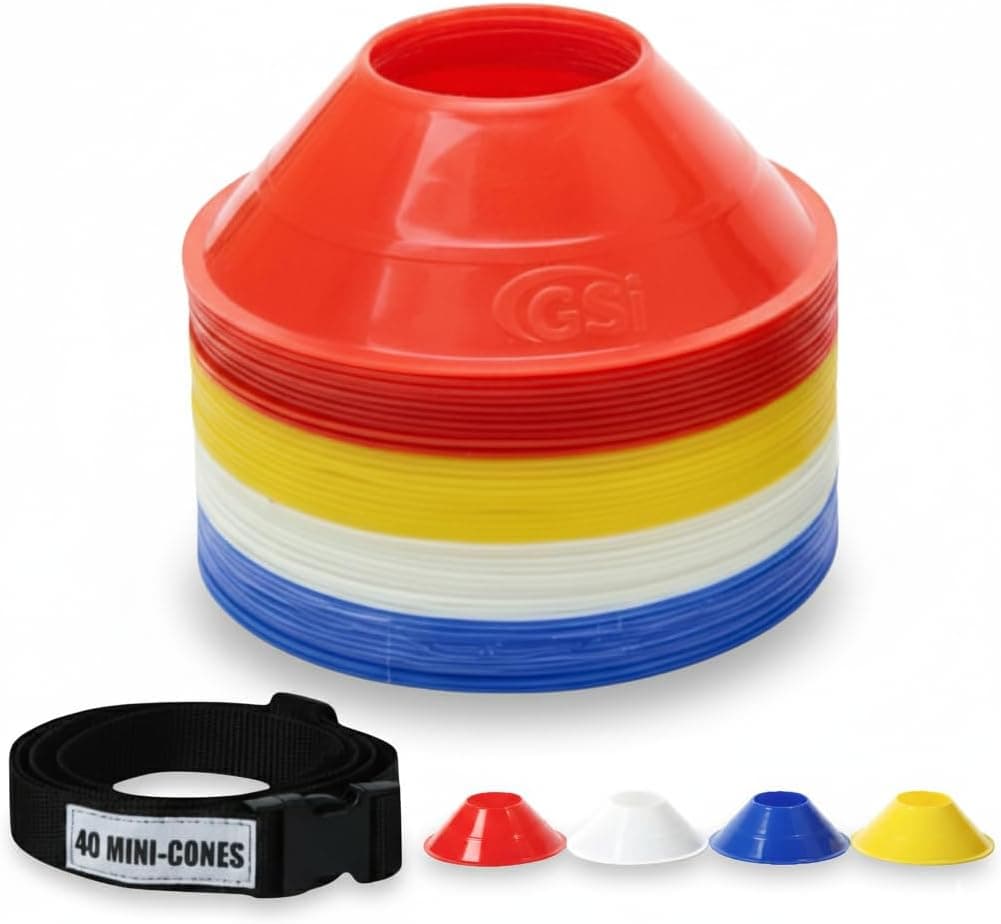
Disc Training Cones (Set of 40)
View on Amazon →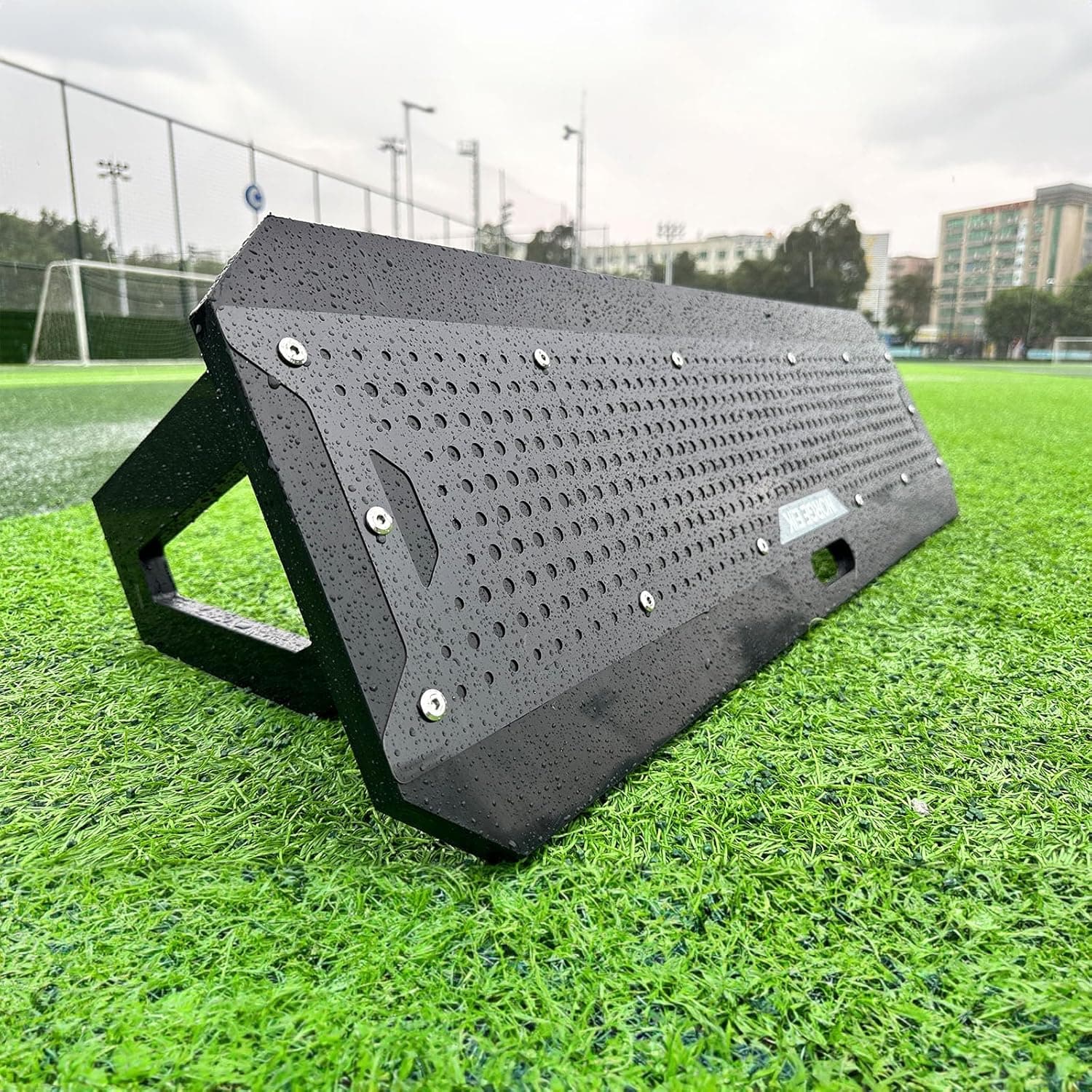
Soccer Rebounder
View on Amazon →As an Amazon Associate we earn from qualifying purchases, at no extra cost to you.