
How to Develop Soccer Vision at Home
December 21, 2025
What Is Soccer Vision and Why Does It Matter?
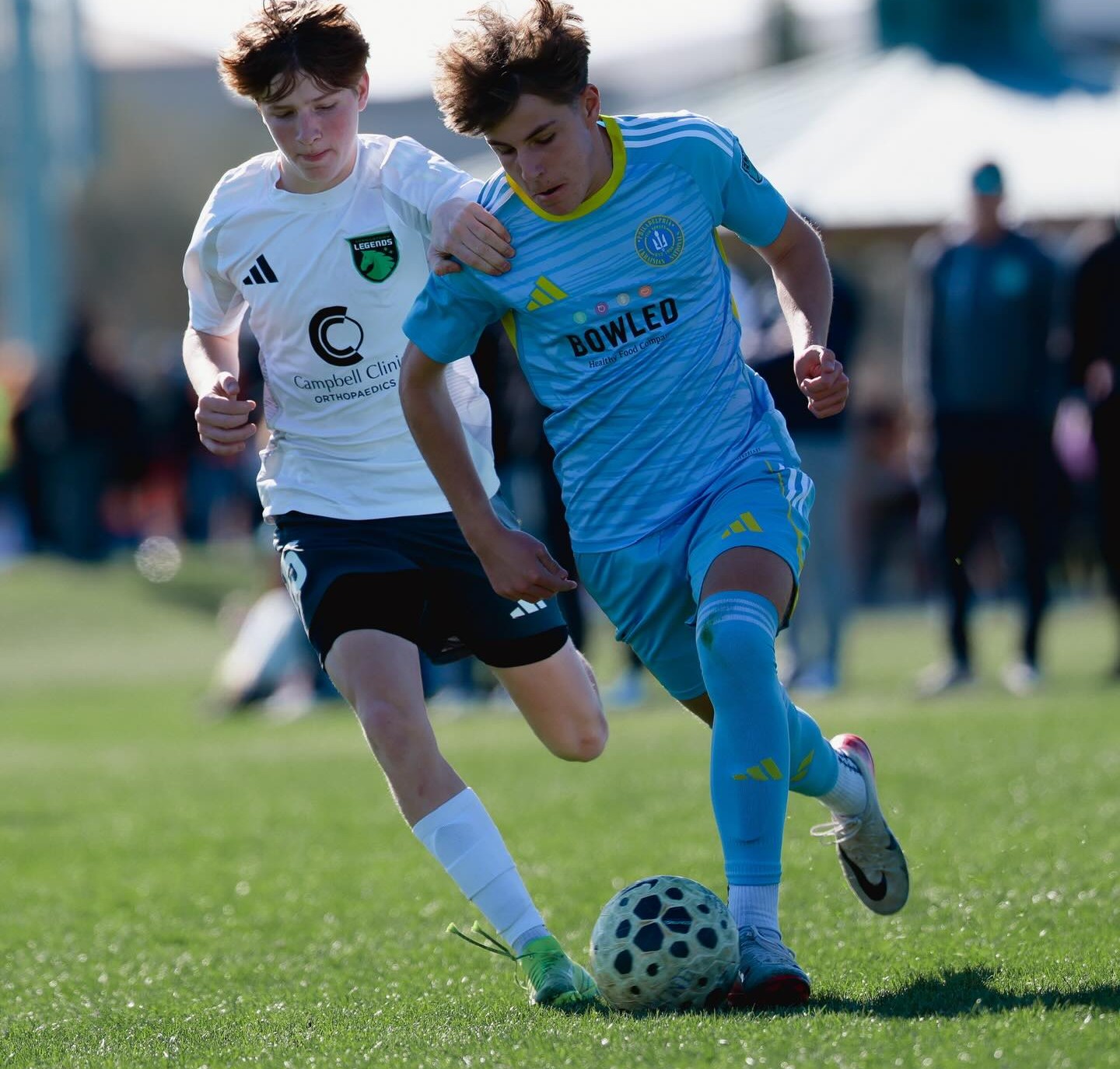
Watch any professional soccer match closely and you'll notice something that separates the elite players from everyone else. It's not speed. It's not strength. It's not even technical skill, though that matters too. It's vision — the ability to see the whole field, anticipate what's about to happen, and make decisions before the moment arrives.
Xavi Hernandez, widely considered one of the greatest midfielders in soccer history, once said: "I think the key is to read the play before receiving the ball. I look around me, I see where my teammates are, where the space is, where the defenders are. By the time I get the ball, I already know what I'm going to do."
That's soccer vision. And while it might seem like a gift that players are born with, research increasingly shows that it's a skill that can be developed — and much of that development can happen at home.
The Two Components of Soccer Vision
Soccer vision is actually a combination of two related but distinct cognitive skills:
Scanning: Gathering Information
Scanning is the physical act of looking around the field to gather information. How often does a player check their surroundings? Do they look over their shoulder before receiving a pass? Do they survey the field before the ball arrives?
Research from Geir Jordet at the Norwegian School of Sport Sciences has shown that elite players scan the field significantly more often than average players. In the seconds before receiving the ball, top players like Xavi scanned six to eight times, while average players scanned only two to three times. More scans = more information = better decisions.
Processing: Making Sense of Information
Scanning is only half the equation. The other half is processing what you see — recognizing patterns, identifying opportunities, anticipating movements, and selecting the best option. This is the cognitive component of vision, and it develops through experience and deliberate training.
Why Home Training Matters for Vision Development
At first glance, it might seem like vision can only be developed in game situations — after all, you need teammates and opponents to practice scanning and decision-making. But that's only partially true. Many of the foundational elements of soccer vision can be developed at home, and doing so gives your child a significant head start.
Technical Confidence Enables Vision
Here's an insight that changed how I think about vision: a player can only look up if they don't need to look down. If your child needs to watch the ball while dribbling, they can't scan the field. If they're worried about their first touch, they can't think about where to pass next.
Technical skill — the kind developed through home training with programs like Anytime Soccer Training — is the prerequisite for vision. When ball control becomes automatic, the player's eyes and attention are freed up to read the game. This is why the most visionary players are almost always the most technically skilled.
Every minute your child spends on ball mastery at home is also an investment in their future vision. The more automatic their technical skills become, the more cognitive bandwidth they'll have for scanning, processing, and decision-making during games.
Scanning Can Be Practiced Anywhere
The habit of scanning — regularly checking your surroundings — can be trained independently of game situations. Here are drills that develop the scanning habit at home:
The Color Call: Set up your child with a dribbling drill (cone weave, for example). Stand behind them and hold up colored cards or cones. At random intervals, shout "color!" and they must call out the color while continuing to dribble. This forces them to look up from the ball and scan. Start with large, obvious colors and progress to smaller objects or multiple colors.
The Number Game: Write numbers on four pieces of paper and place them around the training area. While your child performs ball mastery drills, call out "check!" and they must identify and call out a specific number as quickly as possible. This trains the habit of lifting the eyes and processing visual information while maintaining ball control.
Head Up Dribbling: Set up a cone course and challenge your child to complete it while keeping their head up as much as possible. Place a TV or tablet at eye level playing a video, and after each run, ask them what happened in the video. If they can describe what they saw, their head was up. If they can't, they were watching the ball.
Developing Processing Speed at Home
Processing speed — how quickly your child can take in information and make a decision — is a cognitive skill that improves with specific training. Here are home-based activities that develop it:
Watch Soccer Intelligently
Watching professional soccer is one of the best ways to develop soccer IQ and processing speed. But there's a difference between passive watching and active watching.
Active watching means:
- Pausing the game before a pass and predicting where it will go
- Watching a specific player off the ball and observing their movement and positioning
- Identifying the patterns a team uses in build-up play
- Discussing with your child why a player made a particular decision
We do this regularly in our household. During weekend matches, I'll pause the TV and ask my son: "Where should the ball go next?" or "What would you do here?" These conversations build the pattern recognition database that feeds real-time decision-making on the field.
Reaction Drills
Quick reactions are the physical manifestation of fast processing. Here are reaction drills you can do at home:
Mirror Drill: Stand facing your child, about three feet apart, each with a ball. You perform a move (step-over, Cruyff turn, pull-back) and they must mirror it as quickly as possible. This develops observation, processing, and execution speed simultaneously.
Simon Says Soccer: The classic game, adapted for soccer. Call out different commands — "right foot," "left foot," "turn," "stop," "dribble" — and your child must react instantly while maintaining ball control. The unpredictability trains rapid processing and decision-making.
Random Direction Dribbling: Your child dribbles in a small area while you point in different directions. They must instantly change direction to match your pointing. This develops the connection between visual input and physical response.
Decision-Making Games
Create simple games that require quick decisions:
Gate Game: Set up multiple small gates (two cones, about two feet apart) around a 10x10 area. Your child dribbles through as many gates as possible in 60 seconds — but here's the catch: they can't go through the same gate twice in a row. This forces them to scan, plan, and make rapid decisions while dribbling.
Two-Choice Pass: Set up two targets against a wall at different locations. Stand behind your child and call out "left" or "right" just before they reach the ball. They must pass to the correct target instantly. Progress to using hand signals instead of verbal commands to make it more visual.
The Role of Free Play in Vision Development
Unstructured play — pickup games, backyard battles, street soccer — is arguably the most effective vision development tool that exists. In free play, kids are constantly scanning, processing, deciding, and adapting in a dynamic, unpredictable environment. There's no coach telling them where to pass or where to run. They have to figure it out themselves.
This is how the Brazilian legends developed their extraordinary vision. Not through structured coaching sessions, but through thousands of hours of informal play on streets, beaches, and dirt fields where reading the game was a survival skill.
Encourage your child to play pickup soccer as often as possible. Organize backyard games with siblings or neighbors. Play two-on-two, three-on-three, or even one-on-one. Every minute of free play is a minute of vision development.
Building a Vision Training Routine
Here's a sample weekly approach that integrates vision development with regular home training:
- Monday: Ball mastery session (Anytime Soccer Training program) — builds the technical foundation for vision
- Tuesday: Scanning drill + dribbling practice — practice keeping head up during ball work
- Wednesday: Wall passing with decision elements — add targets and reaction components
- Thursday: Watch a professional match actively — pause-and-predict sessions
- Friday: Free play with friends or siblings — unstructured decision-making practice
- Weekend: Game day — put it all together in a real match
Patience: Vision Develops Slowly
Unlike technical skills, which can show measurable improvement within weeks, vision develops gradually over months and years. It's deeply tied to cognitive maturation, game experience, and the accumulation of pattern recognition over time.
Don't expect your eight-year-old to play like Xavi after a few weeks of scanning drills. But do expect that with consistent attention to these cognitive aspects of the game, your child will gradually become a smarter, more aware, and more effective player.
The players who are praised as "natural" playmakers at 14 or 15 almost always turn out to have developed their vision through years of deliberate practice, intelligent game-watching, and extensive free play. Your child can do the same — and home is the perfect place to start.
Combine the technical training available through platforms like Anytime Soccer Training with the vision-specific exercises described here, and you're giving your child a complete development program that addresses both the physical and cognitive aspects of soccer excellence.
Gear we use for this
The kit our own players train with at home.
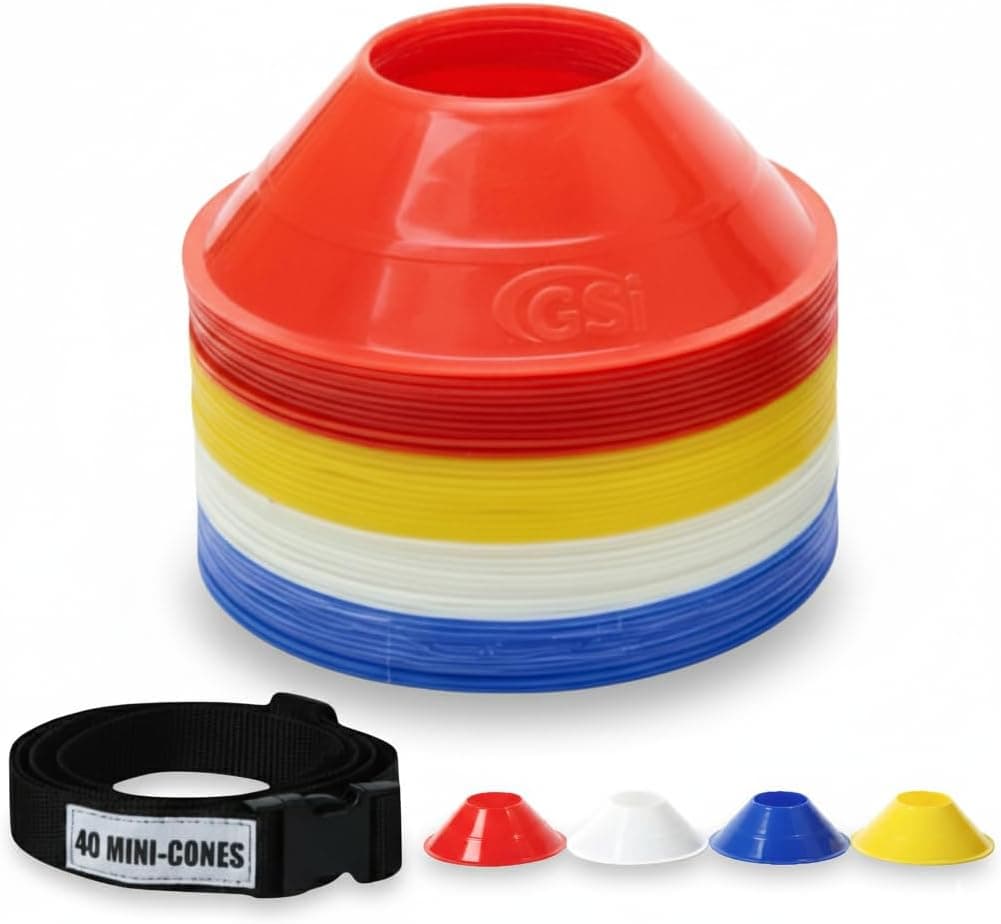
Disc Training Cones (Set of 40)
View on Amazon →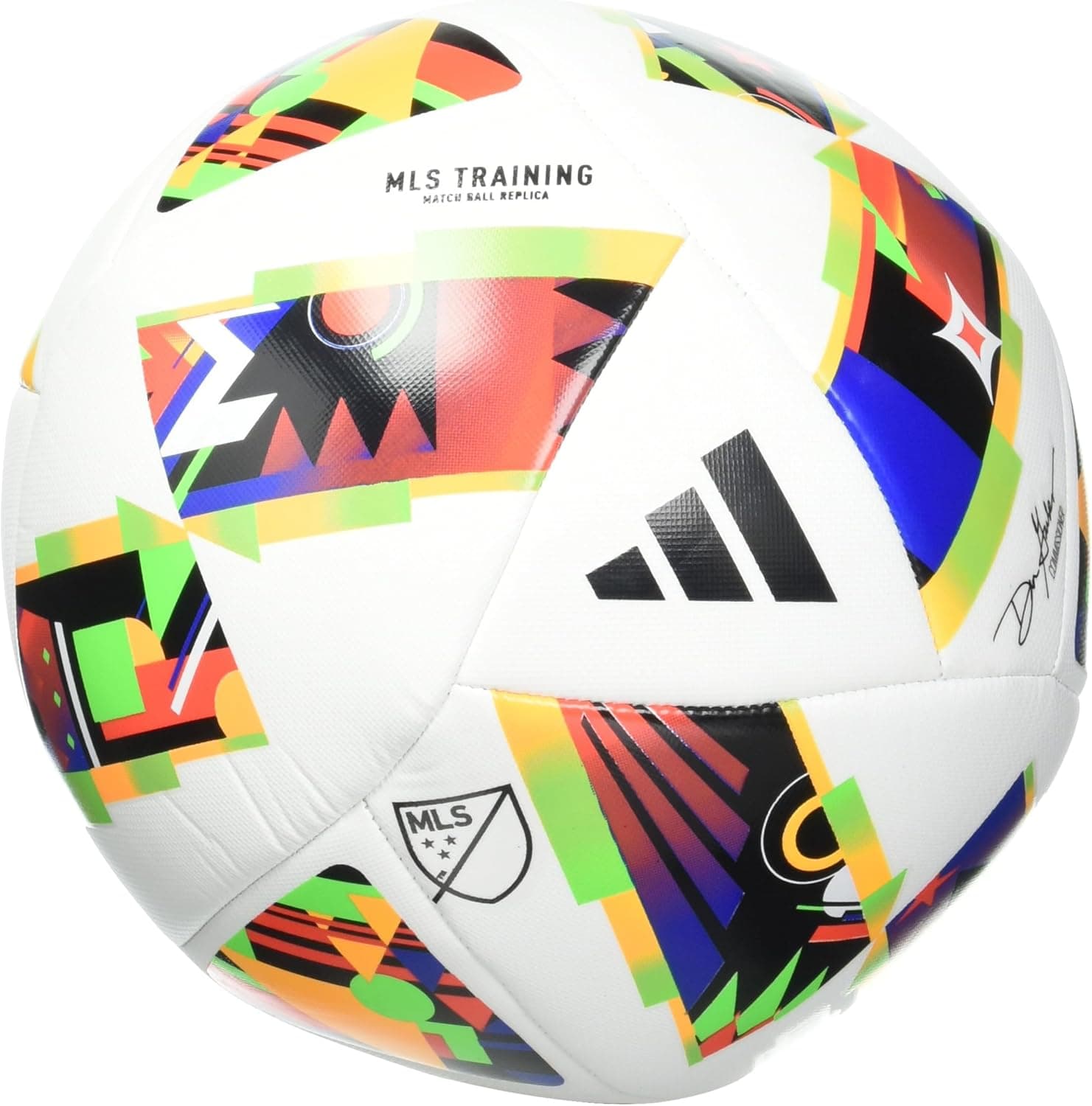
Adidas MLS Training Soccer Ball
View on Amazon →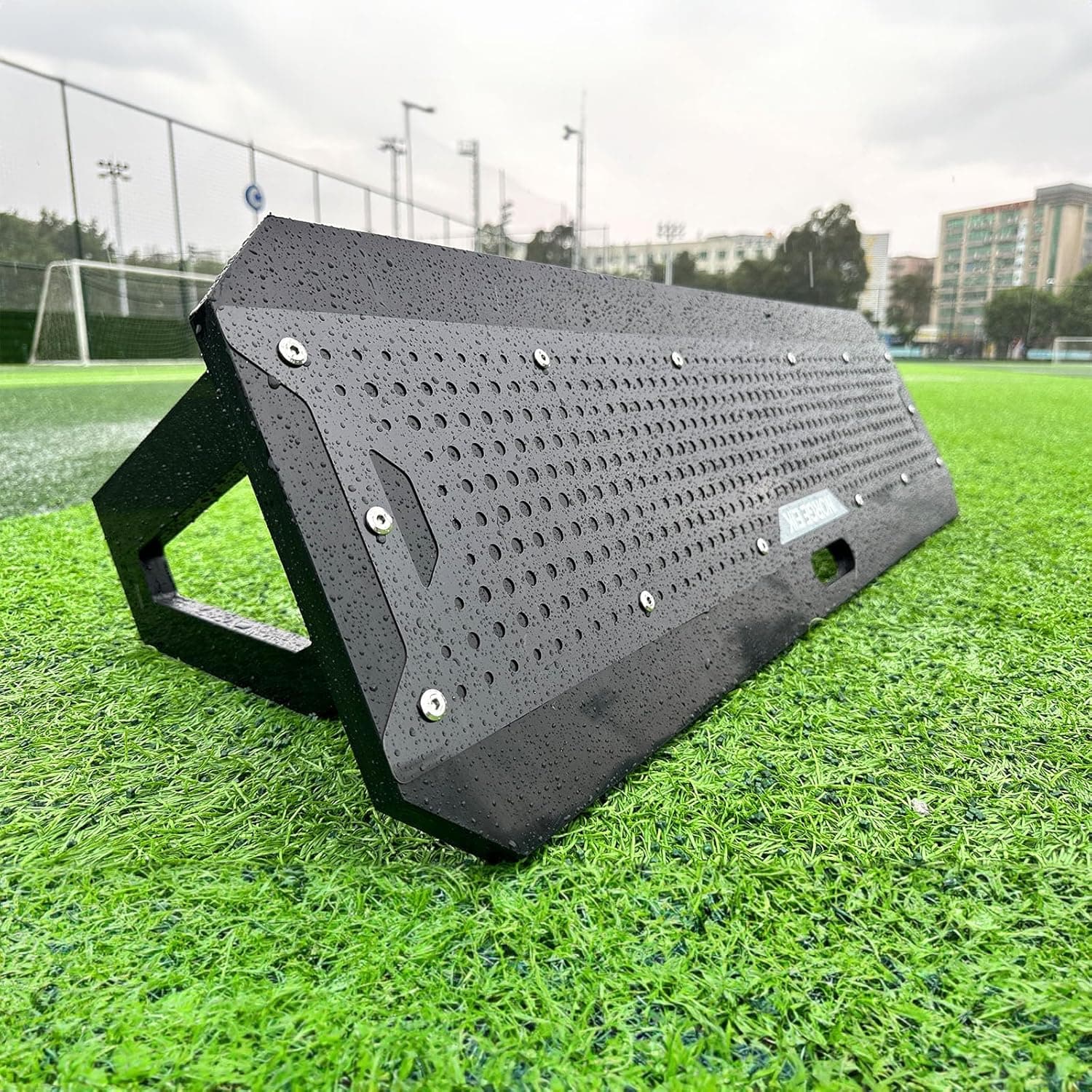
Soccer Rebounder
View on Amazon →As an Amazon Associate we earn from qualifying purchases, at no extra cost to you.