
How to Celebrate Effort Not Just Results
December 29, 2025
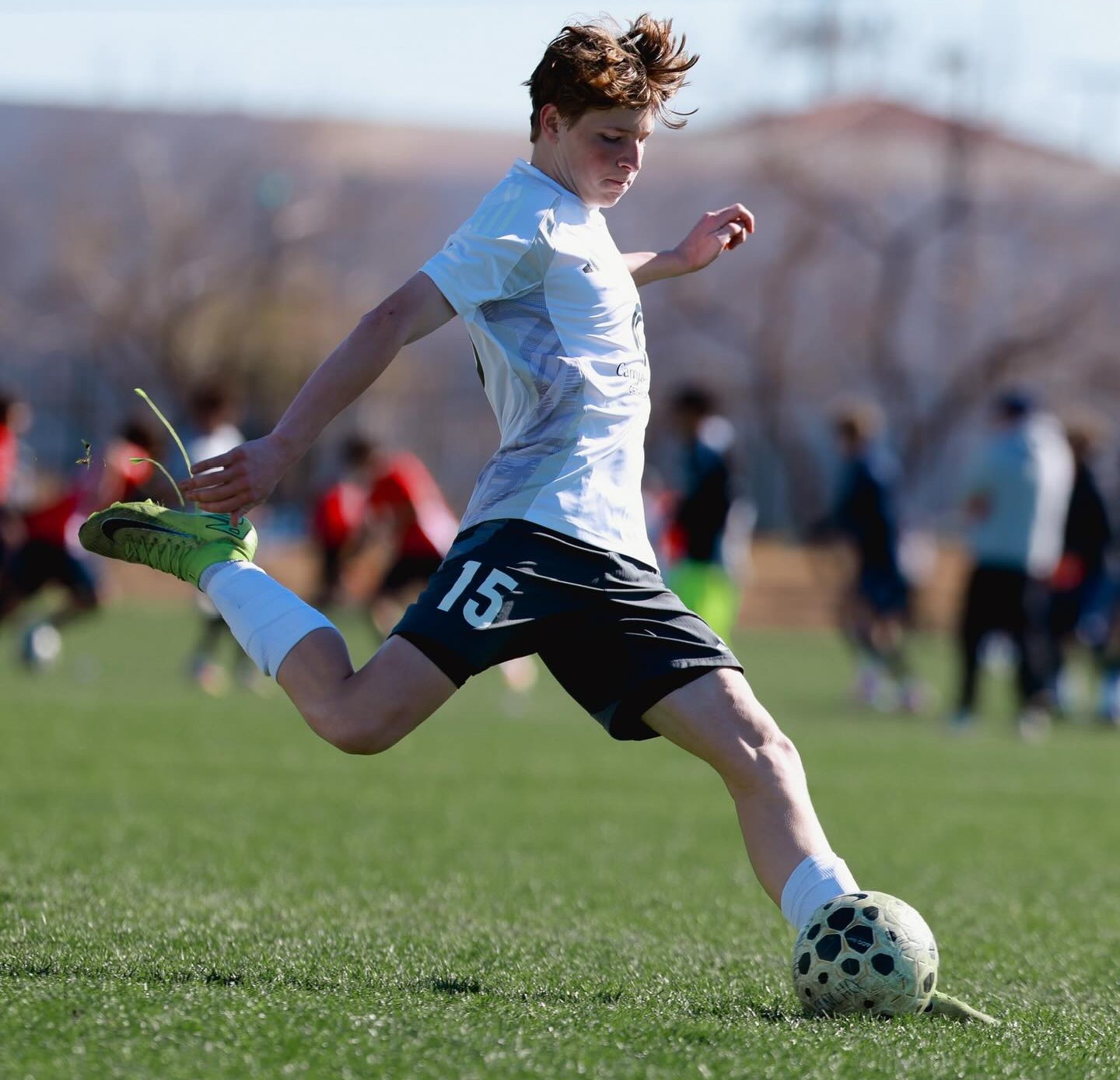
The Question That Changed How I Parent My Soccer Player
After every game my son played, I asked the same question: "Did you win?" It seemed like a natural thing to ask. It's what my parents asked me. It's what every parent in the parking lot was discussing. Win or lose — that was the story of the day.
Then one evening, after a particularly tough 4-1 loss, my son was unusually quiet in the car. I asked if he was okay. He looked at me and said, "Dad, I played really well today. I beat three defenders on a dribble and almost scored. But all anyone cares about is that we lost."
That hit me hard. He was right. He had played well. He'd attempted moves he'd been practicing at home and executed them in a game for the first time. He'd shown courage and creativity. But none of that mattered in the scoreline, and none of it mattered in my question.
That evening, I made a commitment to change how I talked about soccer with my son. I committed to celebrating effort over results. And it's been one of the most impactful changes I've made as a soccer parent.
Why Results-Focused Praise Is Harmful
When we consistently focus on results — wins, goals, assists, making the team — we inadvertently send several damaging messages to our children:
- "Your value depends on outcomes." Kids internalize this as: "I'm only good enough when I win."
- "Failure is unacceptable." When only results are celebrated, kids learn to fear failure rather than learn from it.
- "Things outside your control matter most." Results in soccer depend on teammates, opponents, referees, luck, and dozens of other uncontrollable factors. Tying your child's self-worth to these variables is a recipe for anxiety.
Stanford psychologist Carol Dweck's groundbreaking research on mindset demonstrates this clearly. Children who are praised for results ("You're so talented!" "Great job winning!") develop a fixed mindset — they believe their abilities are innate and unchangeable. When they encounter failure, they crumble because failure threatens their identity.
Children who are praised for effort and process ("I love how hard you worked!" "That was brave to try that move!") develop a growth mindset — they believe their abilities can be developed through effort. When they encounter failure, they see it as a learning opportunity, not an identity crisis.
What Effort-Based Celebration Looks Like in Practice
Change Your Post-Game Questions
Instead of "Did you win?" or "Did you score?" try these:
- "Did you have fun?"
- "What's something you did today that you're proud of?"
- "Did you try anything new?"
- "What was the hardest part?"
- "Did you use any of the skills you've been practicing at home?"
These questions redirect attention from outcomes to effort, learning, and enjoyment. They tell your child that you care about their experience, not just the scoreboard.
Praise the Process During Training
During home training sessions, resist the urge to focus solely on measurable achievements. Yes, track juggling records and cone times — those are motivating. But also celebrate:
- The fact that they showed up to train today
- The determination they showed when a drill was frustrating
- The willingness to work on their weak foot even though it's hard
- The focus and concentration they brought to the session
- The creativity they showed in trying a new move
"I noticed you spent extra time on your left foot today even though it was frustrating. That takes real character." A sentence like that does more for your child's long-term development than "Great job hitting your juggling record" — because it reinforces the behaviors (effort, persistence, bravery) that produce lasting improvement.
Reframe Setbacks as Learning Opportunities
When your child has a bad game, loses a ball in a critical moment, or misses a shot they should have made, how you respond matters enormously.
Results-focused response: "You should have scored that." or "You need to be more careful with the ball."
Effort-focused response: "I love that you got into that position to take the shot. That took courage. What would you do differently next time?"
The second response validates the effort (getting into position, taking the shot), acknowledges the outcome without judgment, and frames it as a learning opportunity. This builds resilience and a willingness to take risks — exactly the qualities that produce elite players.
The Home Training Connection
Home training is the perfect arena for effort-based celebration because you control the environment. There's no scoreboard, no opponents, no spectators. It's just your child working on their skills, and every session is an opportunity to reinforce the value of effort.
When your child completes a training session on Anytime Soccer Training, celebrate the completion itself. "You just completed your 30th session! That's incredible consistency." When they struggle with a new skill, celebrate the struggle. "That drill was really hard, and you stuck with it. That's how you get better."
Over time, this consistent effort-based reinforcement reshapes how your child thinks about improvement. Instead of seeing training as a means to an end (making the team, winning games), they begin to value the process itself. And paradoxically, when a player values the process, the results tend to take care of themselves.
Create Effort-Based Milestones
Instead of (or in addition to) tracking performance metrics, create milestones based on effort:
- 10-session streak: Celebrate training 10 days in a row
- Weak foot warrior: Acknowledge a week of dedicated weak foot work
- Rain or shine: Celebrate training in bad weather or on a day they didn't feel like it
- The comeback: Recognize getting back to training after a break or setback
These milestones reinforce that the effort is the achievement, not just the results the effort produces.
But Don't Results Matter?
Of course they do. I'm not suggesting you pretend results don't exist or that winning doesn't matter. What I'm suggesting is a shift in emphasis — from results being the primary measure of success to effort being the primary measure, with results as a welcome byproduct.
In practice, this means:
- Celebrate effort first and always
- Discuss results occasionally and constructively
- Never tie love, approval, or rewards exclusively to results
When your child wins, you can absolutely say "Great win!" But follow it with "I really noticed how hard you worked in the second half" or "That pass you made to set up the goal showed great vision — you've been working on that." Connect the result back to the effort that produced it.
When your child loses, skip the result entirely. Focus on what they did well, what they learned, and what they want to work on. The loss will sting enough on its own without you adding to it.
The Long-Term Impact
Kids who grow up in effort-celebrating environments develop qualities that serve them far beyond soccer:
- Resilience: They bounce back from failure because they don't see failure as a reflection of their worth
- Intrinsic motivation: They work hard because they value the process, not because they're chasing external validation
- Risk-taking: They're willing to try new things because they know effort will be recognized even if the attempt fails
- Love of learning: They enjoy the journey of getting better, which keeps them engaged long-term
- Self-worth stability: Their self-esteem isn't a roller coaster tied to wins and losses
These are the qualities that produce successful athletes, students, professionals, and human beings. And they start with how we, as parents, choose to respond to a Saturday morning soccer game.
A Challenge for You
Here's my challenge: for the next month, commit to effort-based celebration in every soccer interaction with your child. Change your post-game questions. Praise process over outcomes. Reframe setbacks as learning. Create effort-based milestones for home training.
It will feel awkward at first. Your instinct will be to ask about the score. You'll want to correct their technique instead of praising their persistence. That's okay — changing habits takes time for parents too.
But I promise you: after a month of this approach, you'll notice a change in your child. They'll be more open about their experiences. They'll be more willing to try new things. They'll be less afraid of failure. And they'll enjoy soccer more — which, at the end of the day, is what this whole thing is supposed to be about.
The score takes care of itself when the effort is right. Celebrate the effort, and watch your child soar.
Gear we use for this
The kit our own players train with at home.

Adidas MLS Training Soccer Ball
View on Amazon →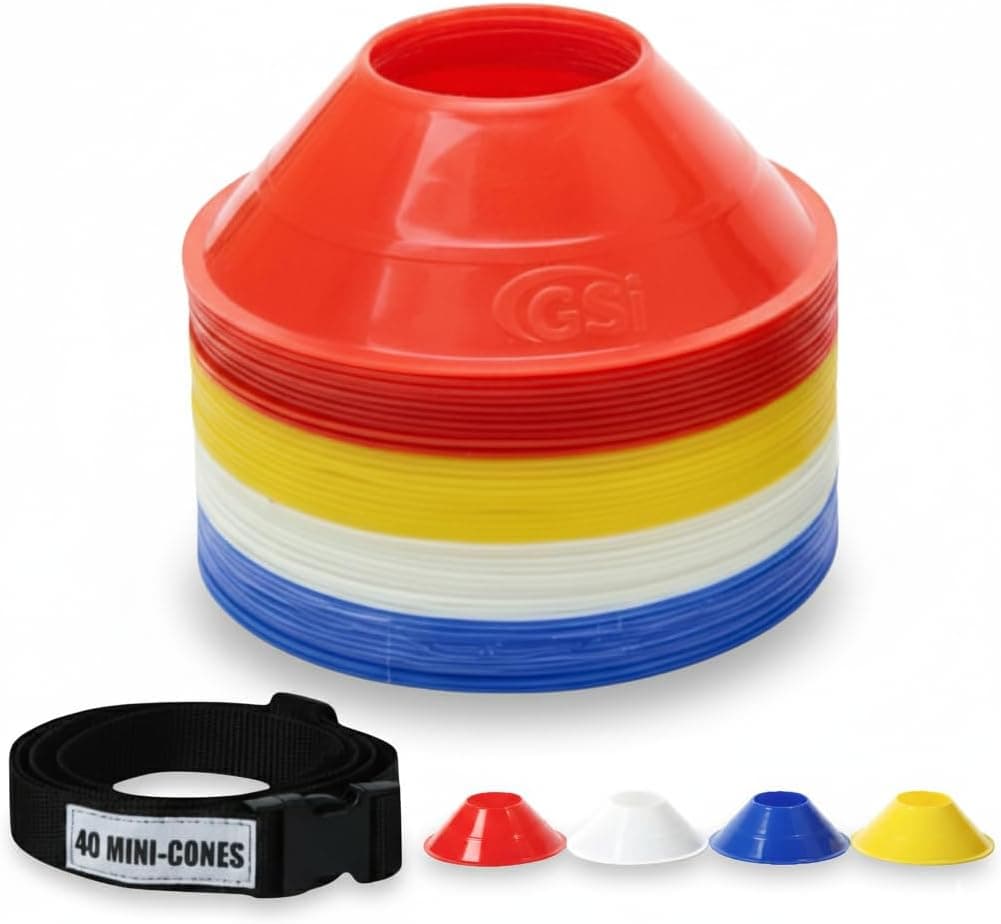
Disc Training Cones (Set of 40)
View on Amazon →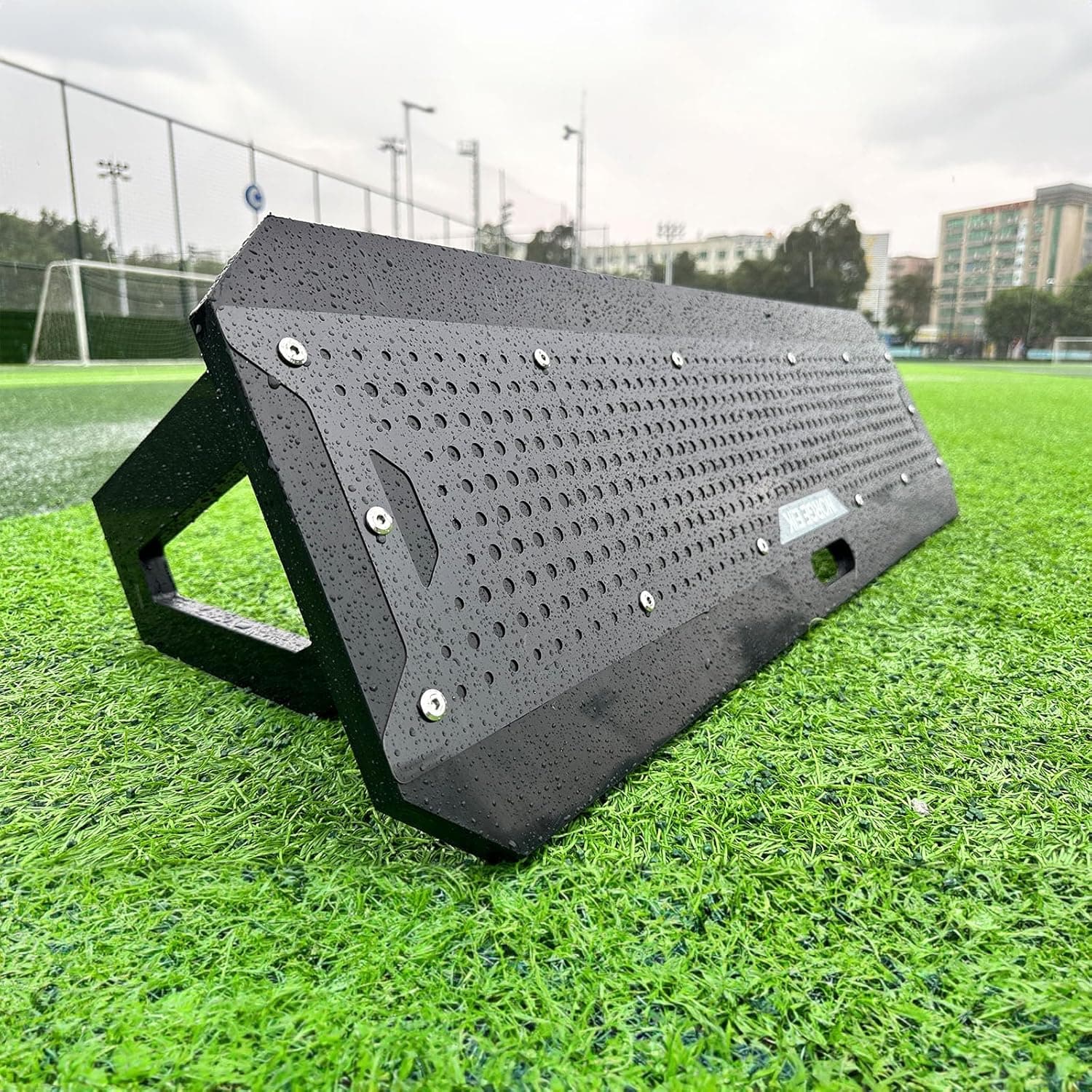
Soccer Rebounder
View on Amazon →As an Amazon Associate we earn from qualifying purchases, at no extra cost to you.