How One Family Trained Through Every Season
December 15, 2025
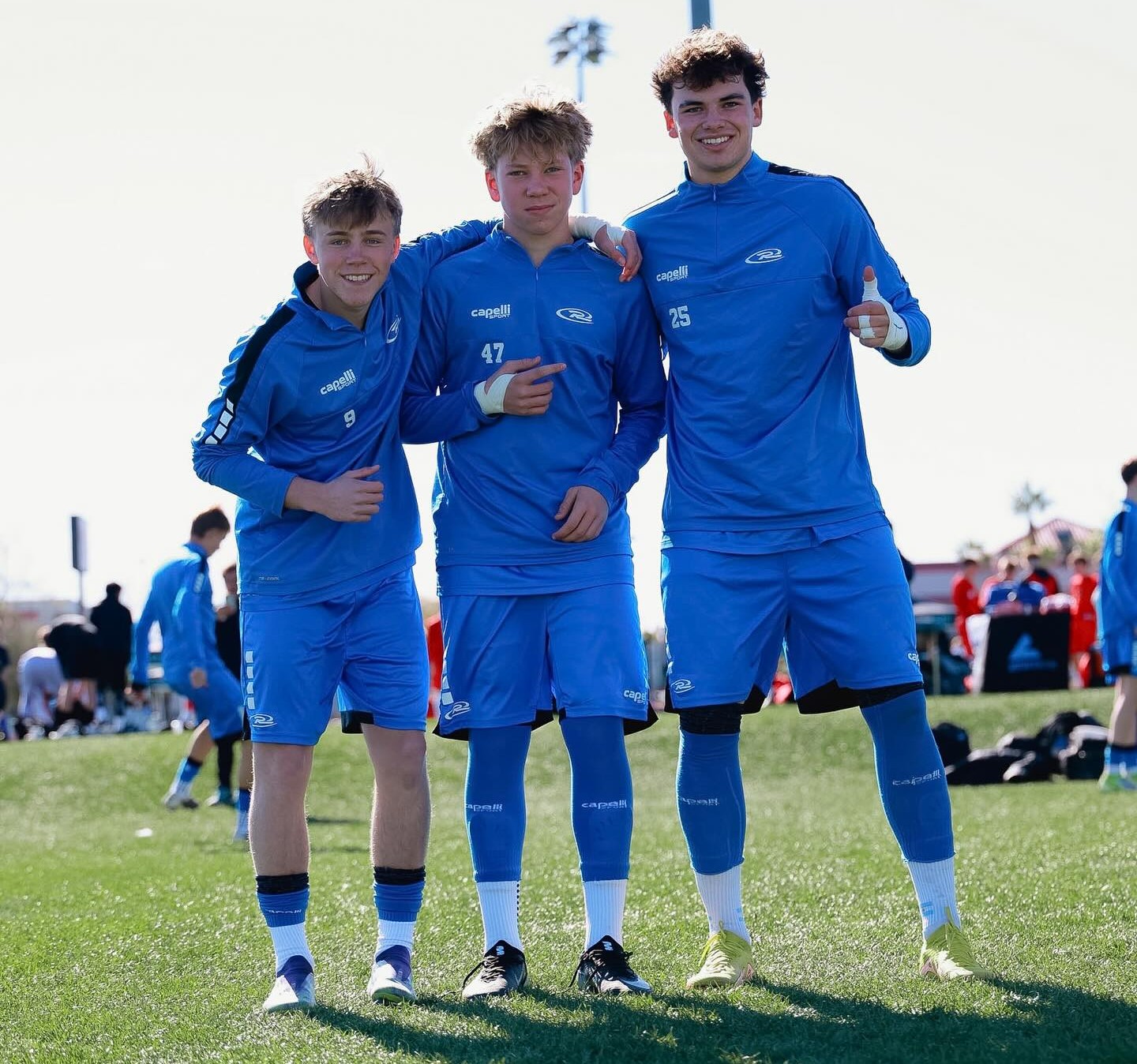
How One Family's Sustained Effort Changed Their Soccer Story
I want to share a story about the Rodriguez family. It is not my story to tell from a first-person perspective, so I will share it as the Rodriguezes shared it with me. They gave me permission to pass it along because they believe it could help other families who are at the beginning of a similar journey.
The Rodriguezes are a family of five from a mid-sized city in the Midwest. Dad Carlos played recreational soccer growing up but never at a high level. Mom Maria played no sports at all. Their three kids, ages 7, 10, and 13, all played youth soccer at varying levels of competitiveness. And for years, the family's soccer involvement was limited to driving kids to practice and standing on the sideline at games.
That changed two years ago when Carlos attended a parent meeting at the oldest child's club. The director of coaching made a statement that Carlos says fundamentally shifted his understanding of youth soccer development. The coach said: We can give your kids great coaching three times a week. But the players who actually develop into the best players are the ones who train at home. The difference between a good player and a great player is what happens outside of team practice.
The Decision to Commit
Carlos went home that night and talked to Maria about what the coach had said. They looked at their family schedule and identified three time slots per week where they could fit in 20-minute home training sessions. Tuesday and Thursday evenings after dinner, and Saturday mornings before games.
They signed up for Anytime Soccer Training because they needed a structured program to follow. Neither Carlos nor Maria felt qualified to design training sessions, and they did not want to waste their limited time with aimless drills. Having professional follow-along sessions on a tablet they could bring to the backyard solved the expertise problem entirely.
The key decision they made, and the one Carlos says was most important, was that this would be a family activity. All three kids would train together, with modifications for age and ability. Carlos would participate as a training partner. Even Maria, who had never played soccer, joined in when she could. The message to the kids was clear: this is something we do together as a family.
Month 1: The Messy Beginning
Carlos is honest about the first month. It was rough. The seven-year-old wanted to play instead of train. The thirteen-year-old thought the drills were beneath him. The ten-year-old was the most enthusiastic but would get frustrated when she could not do something immediately. Carlos himself struggled to keep the energy positive while managing three different ability levels.
They adapted quickly. The seven-year-old was given more play-based activities alongside the structured drills. The thirteen-year-old was challenged with harder progressions of the same exercises. The ten-year-old was paired with Carlos as her training partner, which she loved.
By the end of month one, they had completed ten of the twelve planned sessions. Not perfect, but not bad for a family figuring out a new routine.
Month 3: The Habit Takes Hold
By month three, something remarkable had happened. Training was no longer something the kids had to be convinced to do. It was just part of the weekly routine, like homework or chores. The Tuesday-Thursday-Saturday rhythm was established, and the kids would often remind Carlos if he forgot.
The seven-year-old's ball comfort had visibly improved. He could dribble without constantly losing the ball. The ten-year-old had developed a noticeably better first touch and was starting to use her weak foot without being prompted. The thirteen-year-old, who had initially resisted, was now the most dedicated trainer, often doing extra work after the family sessions ended.
Carlos noticed something else he had not expected: the sibling dynamics had improved. The training sessions became a shared experience that the kids bonded over. They encouraged each other, competed with each other playfully, and took pride in each other's improvements.
Month 6: The Results Start Showing
By the six-month mark, the results were undeniable. All three kids had improved significantly, and their coaches had taken notice.
The thirteen-year-old made the A team at his club for the first time after being on the B team for two years. His coach specifically mentioned his improved technical ability and work ethic. He credited the home training to his coach, who then used the family's story as an example at the next parent meeting.
The ten-year-old went from being a mid-level player on her team to one of the strongest technically. Her passing accuracy and first touch were noticeably ahead of her peers. She started getting recruited by the competitive team a year above her age group.
The seven-year-old, while still developing at the normal pace for his age, was clearly more comfortable and confident on the ball than he had been. He was scoring goals, dribbling past defenders, and most importantly, having a blast doing it.
Year 1: The Sustained Effort Compounds
After a full year of consistent home training, the compound effect was staggering. Carlos estimated that each child had accumulated between 150 and 200 additional hours of focused ball contact over the year. That is the equivalent of roughly two to three full additional soccer seasons worth of individual development, on top of their regular team activities.
But the benefits went far beyond soccer skills. Carlos shared these observations about the broader impact on his family:
- Discipline and routine: All three kids had internalized the value of consistent effort. This showed up in their schoolwork, their other activities, and their general approach to challenges.
- Family bonding: The training sessions became a cherished family ritual. Even when the kids were annoyed with each other about other things, the training sessions brought them together.
- Parental connection: Carlos and Maria both felt more connected to their kids' soccer experience. They understood the skills, could appreciate the nuances of games, and could have more meaningful conversations about soccer.
- Intrinsic motivation: Over time, the kids began self-directing their training. They would go to the backyard on their own, pull up Anytime Soccer Training on the tablet, and work on whatever they felt like improving. The external motivation had been replaced by internal drive.
Year 2: The New Normal
Two years in, home training is simply part of the Rodriguez family identity. It is not a program they are following or a phase they are going through. It is who they are: a family that trains together.
Carlos told me that the most rewarding part is not the soccer improvements, though those have been significant. It is the shared family experience that soccer training has become. When one kid has a breakthrough, the whole family celebrates. When one kid is struggling, the whole family supports them. The backyard training sessions have become a microcosm of the values they want to instill as a family: hard work, mutual support, patience, and the belief that you can always get better.
Lessons from the Rodriguez Family
Here are the key takeaways from their story that any family can apply:
- Make it a family activity. Training together creates shared investment and accountability that solo training cannot match.
- Use technology for coaching. You do not need to be an expert. Platforms like Anytime Soccer Training provide the coaching while you provide the environment and encouragement.
- Start imperfect. The first month will be messy. That is normal. Do not let imperfect execution prevent you from continuing.
- Be consistent but flexible. Hold the routine loosely enough to adapt when life gets in the way, but firmly enough that it remains a priority.
- Play the long game. The most dramatic results come after months and years, not days and weeks. Trust the process.
The Rodriguez story is not extraordinary because of exceptional talent or resources. It is extraordinary because an ordinary family made an ordinary commitment and stuck with it. That is the secret: sustained effort, applied consistently, produces extraordinary results. Every time.
Gear we use for this
The kit our own players train with at home.

Adidas MLS Training Soccer Ball
View on Amazon →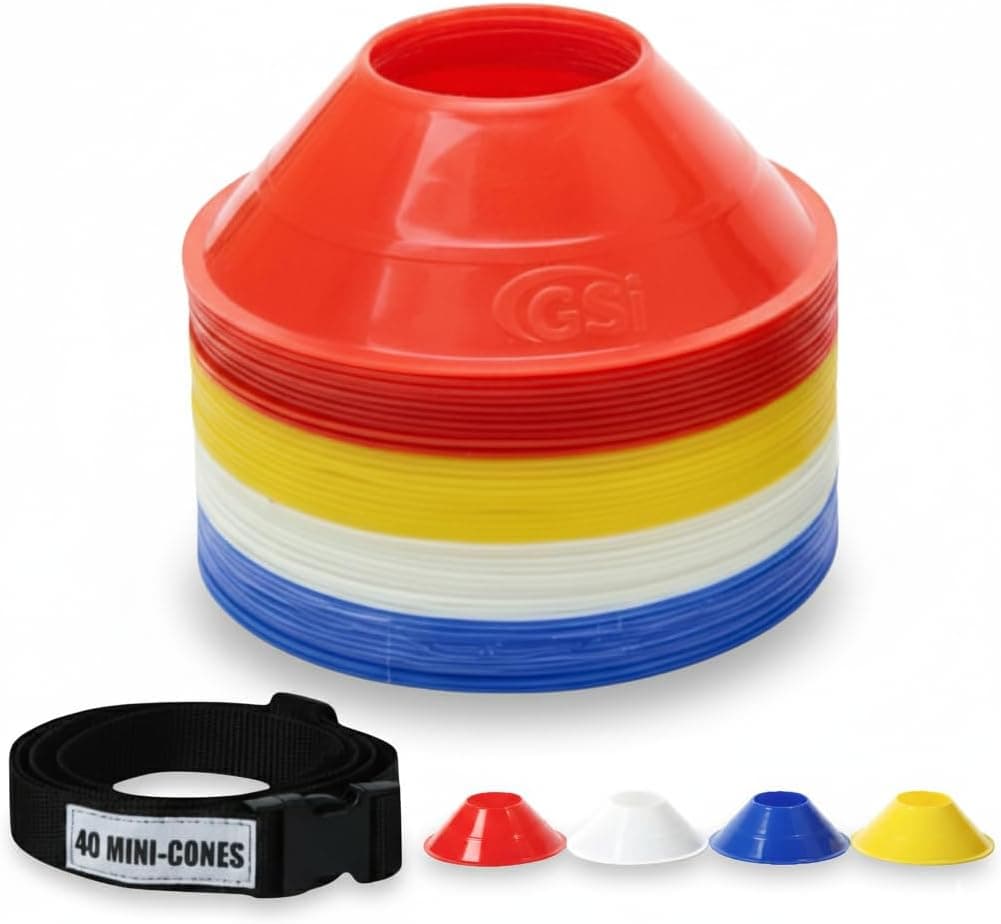
Disc Training Cones (Set of 40)
View on Amazon →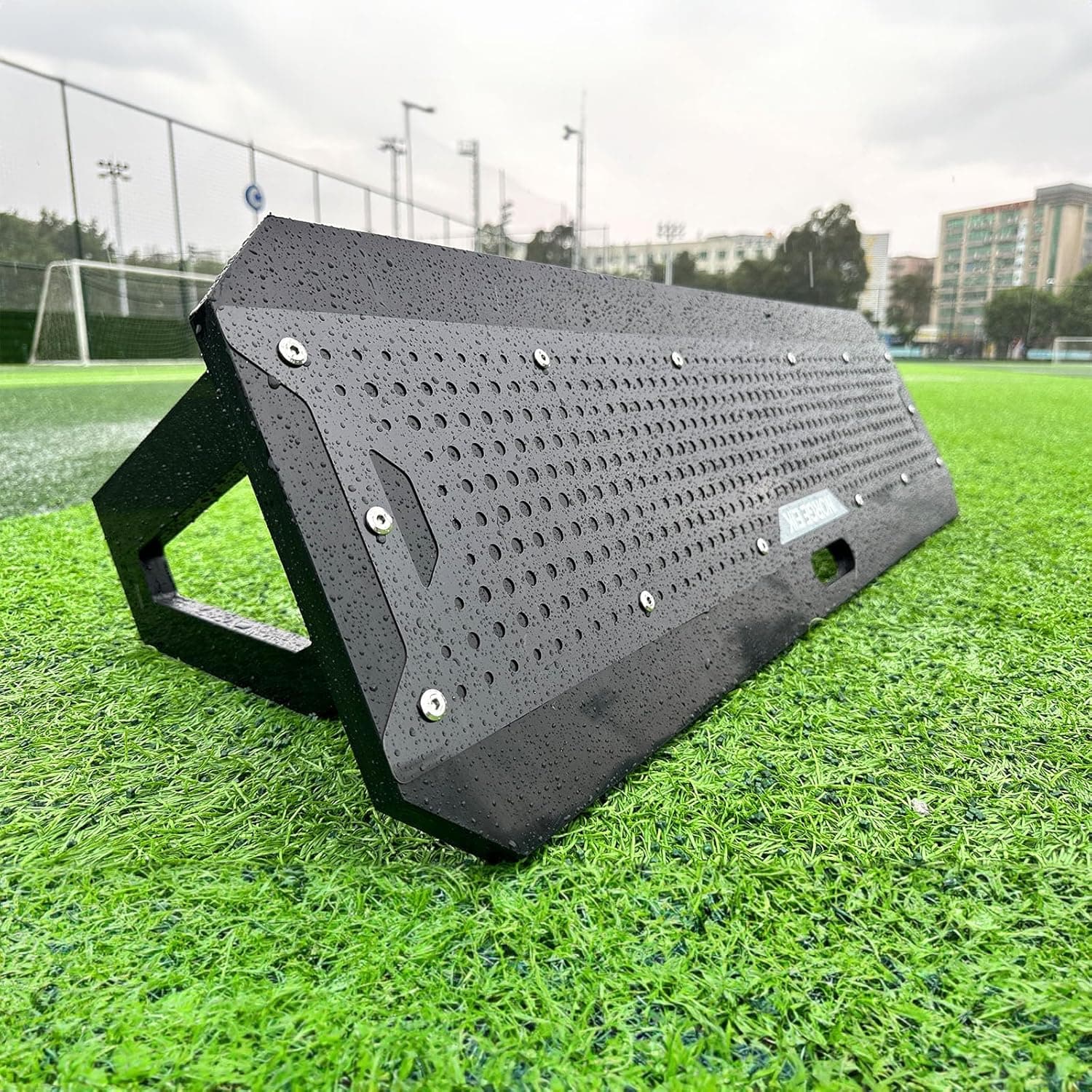
Soccer Rebounder
View on Amazon →As an Amazon Associate we earn from qualifying purchases, at no extra cost to you.