
How One Family Trained Through Every Season
December 5, 2025
How One Family Trained Through Every Season: A Year-Round Commitment
When people hear that our family trains soccer at home year-round, through every season, through holidays, through summer vacations, and even through winter, the most common reaction is how. How do you stay motivated? How do you handle weather? How do you prevent burnout? How does it fit into an already packed family schedule?
These are fair questions, and I want to answer them honestly. Because the truth is, it has not always been easy. There have been weeks where we missed every session. There have been arguments about training when my kids would rather be doing anything else. There have been moments where I questioned whether the whole endeavor was worth the effort.
But sitting here now, looking at the players my kids have become and the habits they have developed, I can say without hesitation that training through every season has been one of the best decisions our family has made. Here is how we did it and what we learned along the way.
Spring: Building on the Momentum
Spring is the easiest season for home training. The weather is improving, the days are getting longer, and if your child plays spring soccer, they are already in a soccer mindset. Energy levels are high and motivation comes naturally.
Our spring approach:
- 4 sessions per week, 20 minutes each
- Focus on skills that complement what is being worked on in team practice
- Take advantage of the longer evenings for after-dinner sessions
- Use weekends for fun pickup games with neighborhood kids
Spring challenge: The main challenge in spring is schedule conflicts. Between team practices, games, school activities, and the social pull of nice weather, finding consistent training time requires intentionality. We block training time on the family calendar just like any other appointment.
Summer: The Transformation Window
Summer is the season where the biggest improvements happen. Longer days, no school schedule, and often a break from competitive games creates the perfect conditions for intensive skill development. We call summer our transformation window.
Our summer approach:
- 5 sessions per week, 20-30 minutes each, usually in the morning before it gets hot
- A specific summer project for each kid, like mastering three new 1v1 moves or getting juggling to a specific number
- Weekly trips to the park for more space and variety
- Regular pickup games with friends to apply trained skills in game settings
Summer is when Anytime Soccer Training programs really shine. With more free time, the kids can work through progressive training series that build on each other over weeks. The structured programs give the summer training a sense of purpose and direction that prevents it from feeling aimless.
Summer challenge: Vacations, camps, and the general laziness that summer can bring. We have a rule: even on vacation, we bring a ball and do at least a 10-minute touch session. It does not have to be a full training session. Just maintaining the ball contact keeps the habit alive and prevents rust from building up.
Fall: Applying the Summer Work
Fall is when you see the payoff from summer training. If your child plays fall soccer, the improvement from dedicated summer training is often dramatic. Coaches notice. Teammates notice. And most importantly, your child notices and feels the confidence that comes from genuine improvement.
Our fall approach:
- 3-4 sessions per week, 15-20 minutes each
- Shift toward game-relevant skills: moves under pressure, shooting, and decision-making
- Use game performance to identify areas that need extra work at home
- As weather cools, start transitioning some sessions indoors
Fall challenge: With the competitive season in full swing, the temptation is to skip home training because your child is already getting soccer through team activities. Resist this temptation. Team practice provides team development. Home training provides individual development. Both are necessary and neither replaces the other.
Winter: The Secret Weapon Season
This is where most families stop training, and this is exactly why winter training is a secret weapon. While the majority of young players are taking three to four months off and losing touch with the ball, your child can be quietly improving. The gap between winter trainers and non-trainers is one of the most significant competitive advantages in youth soccer.
Our winter approach:
- 3 sessions per week, 15-20 minutes each
- Indoor training when weather is truly prohibitive: garage, basement, or a room with enough space for ball mastery work
- Outdoor training on milder winter days, because cold weather training builds mental toughness
- Focus on ball mastery and technical work that does not require much space
- Increased video analysis and game watching since outdoor play time is reduced
Anytime Soccer Training has been essential for our winter training because many sessions are designed for small spaces. Ball mastery work, footwork patterns, and technical exercises that can be done in a garage or basement keep the training going regardless of weather.
Winter challenge: Motivation. It is cold, it is dark, and the next game feels like it is months away. This is where the habit pays dividends. When training is an established part of your routine, the inertia of the habit carries you through the low-motivation periods. You do not need to want to train. You just train because that is what you do.
The Holiday Problem and How We Solved It
Holidays disrupt routines, and disrupted routines are where habits go to die. Thanksgiving, Christmas break, spring break, family vacations: these are all potential training killers. Here is how we handle them:
- Lower the bar during holidays. Instead of full sessions, we commit to just touching the ball for five to ten minutes. Juggling while the turkey cooks. Dribbling around the hotel room. Passing against a park wall while traveling. The point is not quality training; it is maintaining the connection to the ball and the habit.
- Make it festive. Holiday training sessions can be themed or silly. Christmas shooting competitions. Thanksgiving juggling tournaments. New Year's goal-setting sessions. Tying training to holiday activities makes it feel like celebration rather than obligation.
- Forgive missed time quickly. If we miss a week over the holidays, we do not beat ourselves up about it. We just restart as soon as normal life resumes. Guilt about missed sessions is counterproductive.
Preventing Burnout: The Rules We Live By
Training year-round carries a real risk of burnout, and we take that risk seriously. These are the rules that have kept our kids engaged and enthusiastic over multiple years:
- Rule 1: Always end on a positive. No matter what, the last thing that happens in a session is something fun or a success. Never end frustrated.
- Rule 2: Two rest days per week minimum. Even during the intense summer window, we always take at least two full days off from any soccer activity.
- Rule 3: The child can always say not today. If one of my kids genuinely does not want to train on a scheduled day, they have veto power. We might negotiate, but ultimately their autonomy is respected. Forced training destroys intrinsic motivation.
- Rule 4: Vary the format. Not every session looks the same. Some days are structured drills. Some days are pickup games. Some days are just free play with a ball. Variety prevents monotony.
- Rule 5: Check in regularly. Every few weeks, we have a casual conversation about whether the training is still enjoyable. If enthusiasm is waning, we adjust the approach rather than powering through.
The Results After Several Years
After maintaining year-round training for several years, the results speak for themselves. My kids are among the technically strongest players on their respective teams. They have made competitive teams that seemed out of reach when they started. Their coaches consistently comment on their touch, their confidence, and their work ethic.
But the results I am most proud of are not the soccer results. It is the discipline they have internalized. The understanding that consistent effort produces outcomes. The confidence that comes from knowing they have put in more work than most. The family memories of thousands of backyard sessions together.
Year-round training is not for every family, and I would never suggest it is the only path to youth soccer development. But for our family, it has been transformative. Not because we are training zealots, but because we found a sustainable, enjoyable way to make soccer development a natural part of our lives, in every season, through every phase of the year.
Gear we use for this
The kit our own players train with at home.

Adidas MLS Training Soccer Ball
View on Amazon →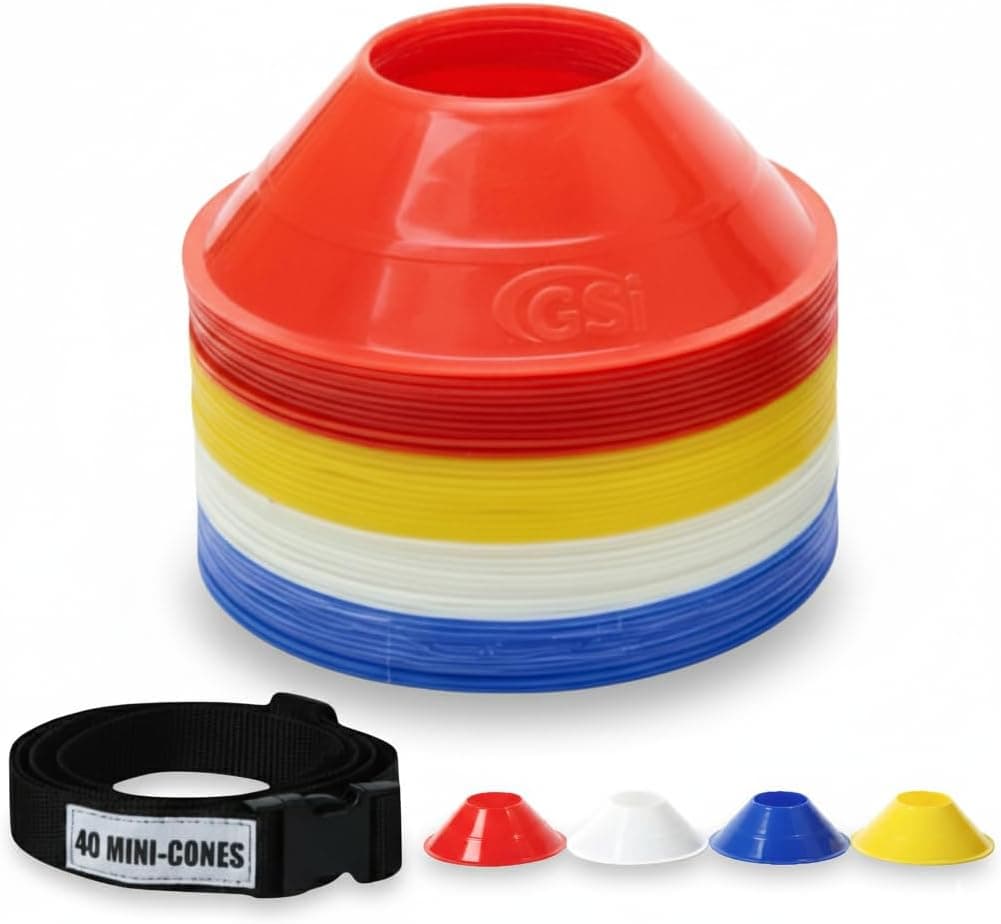
Disc Training Cones (Set of 40)
View on Amazon →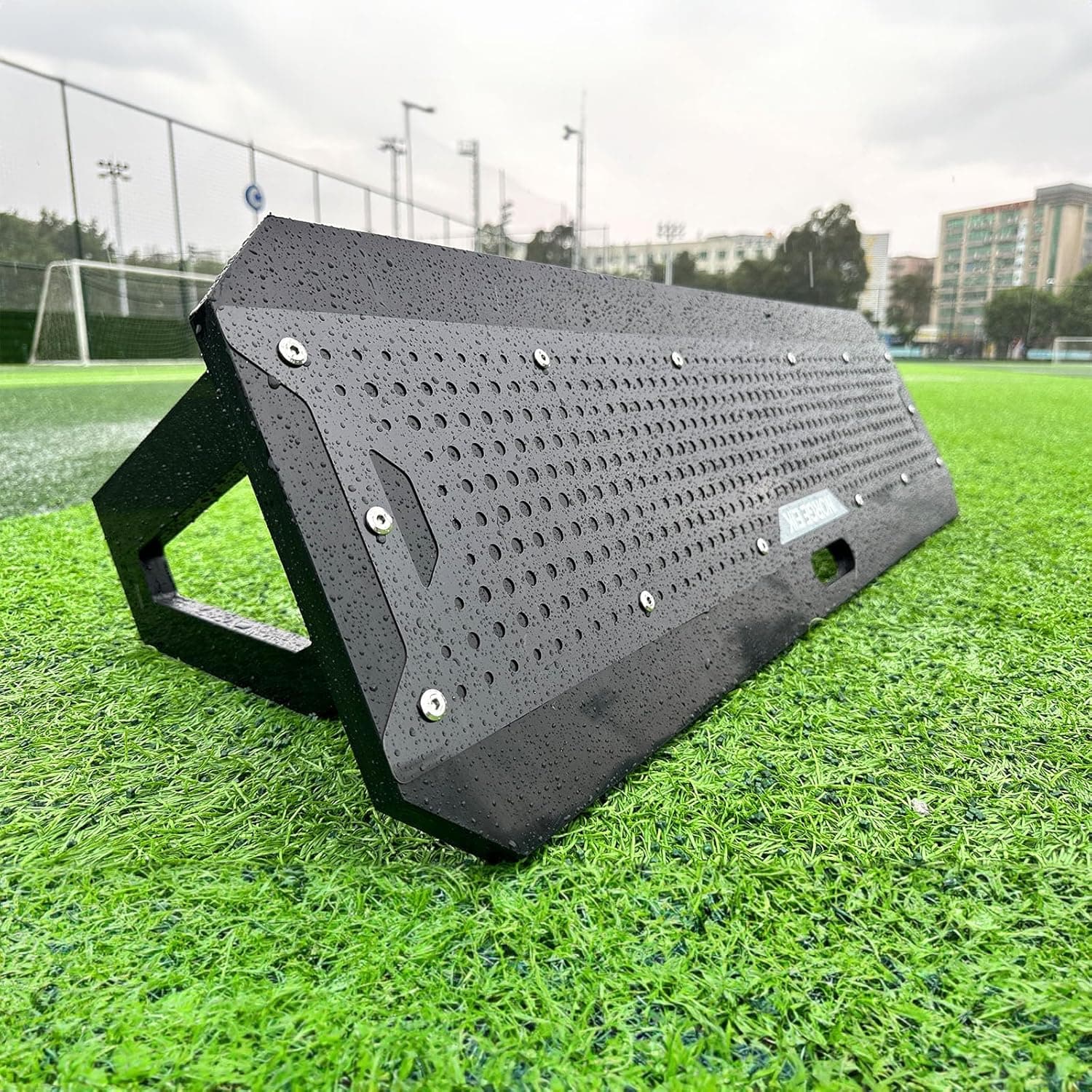
Soccer Rebounder
View on Amazon →As an Amazon Associate we earn from qualifying purchases, at no extra cost to you.