
How My Child Improved with Just 3 Months of In-Home Training
February 5, 2026
How My Child Improved with Just 3 Months of In-Home Training
Three months. That is all it took for my son to go from struggling to keep up in games to being one of the most improved players on his team. I am not exaggerating, and I am not trying to sell you on some miracle program. I am just a parent who finally figured out what actually works for youth soccer development, and I want to share our real results on a real timeline so you can see what is possible.
Where We Started: The Honest Truth
Let me paint the picture of where my son was before we started training at home. He was nine years old, playing on a recreational team, and he was struggling. He was not the worst player on the team, but he was definitely in the bottom third. His touches were heavy, his dribbling was awkward, and he would often freeze when he got the ball in a game because he did not know what to do with it.
The most frustrating part was that he loved soccer. He would watch Premier League games with me on the weekends, talk about his favorite players, and beg to go to every practice and game. But when he got on the field, his skills just were not there. And I could see it was starting to affect his confidence.
His coach was supportive but honest with me. He said my son had a great attitude and worked hard, but his technical skills were behind most of the other kids. He suggested we do some extra training at home, but at the time, I had no idea where to start.
Finding a Starting Point
I spent a few weeks researching home training options. I watched YouTube videos, read articles, and even bought a couple of soccer training books. The problem was that everything felt disconnected. I would find a random drill here and a skill video there, but there was no coherent plan or progression. I did not know if what we were doing was right or if we were wasting our time.
That is when I discovered Anytime Soccer Training. What drew me in was that it was specifically designed for kids to follow along at home, with structured programs that built on each other. It was not just random drills; it was a curriculum. And as a parent who had no soccer background, that structure was exactly what I needed.
We started with the ball mastery program, which focused on getting comfortable with the ball through a series of foundation touches and exercises. The sessions were about fifteen minutes each, and they were designed so that my son could follow along with the coach on screen without me having to demonstrate anything.
Month One: Building the Foundation
The first month was all about consistency. We committed to training every day after school for fifteen minutes. Some days my son was excited about it, and other days he complained. But we stuck with it because I had read enough to know that consistency was the key to improvement.
During the first two weeks, I honestly did not see much improvement. My son was clumsy with the exercises and got frustrated when he could not keep up with the coach on screen. I had to remind myself, and him, that this was normal. Learning new motor skills takes time, and there is always a period of awkwardness before things click.
By the end of the first month, something started to shift. The exercises that had been difficult were now becoming routine. His sole rolls were smoother, his tick tocks were faster, and he was starting to add his own flair to the moves. He was not just copying the coach anymore; he was making the skills his own.
Month one stats:
- Training days: 26 out of 30
- Average session length: 15 minutes
- Total training time: approximately 6.5 hours
- Skills focused on: ball mastery foundations, sole rolls, tick tocks, inside-outside touches
- Game impact: Minimal visible change yet, but slightly more confident on the ball
Month Two: Skills Start Transferring to Games
The second month was where things got really exciting. We continued with the daily training sessions but expanded beyond just ball mastery to include first touch, dribbling, and some basic moves and turns. The sessions were still about fifteen minutes, but my son was often choosing to go longer because he was enjoying it.
The breakthrough moment came during a game about halfway through the second month. My son received a pass on the wing, took a clean first touch to set the ball up, dribbled past a defender using an inside cut he had been practicing at home, and played a pass to a teammate in the box. It was not a highlight-reel play, but it was the first time I had seen him execute a sequence of skills like that in a game.
After the game, his coach came up to me and said, "Whatever you are doing at home, keep doing it. I can see a real difference." That was the validation I needed to confirm that the training was working.
The other thing I noticed in month two was a change in my son's body language on the field. He was no longer hesitating when he got the ball. He was looking up, making decisions, and playing with a confidence that he had not had before. He wanted the ball, and that was a massive shift from where we had been just a few weeks earlier.
Month two stats:
- Training days: 28 out of 30
- Average session length: 18 minutes
- Total training time: approximately 8.5 hours
- Skills focused on: first touch, dribbling, inside and outside cuts, Cruyff turn
- Game impact: Noticeably more confident, better first touch, starting to beat defenders
Month Three: The Transformation Becomes Obvious
By the third month, the improvement was undeniable. Not just to me, but to everyone. Other parents were commenting on how much my son had improved. His teammates were passing to him more because they trusted him with the ball. And his coach moved him from a wide position to central midfield because he had become one of the more technically skilled players on the team.
During month three, we added more advanced training to the mix. We worked on shooting technique, one-on-one moves, and some basic tactical concepts. My son was also starting to self-direct his training more. He would come home from a game and say, "I want to work on my weak foot because I missed a chance today where I needed to shoot with my left," and then he would find a session on Anytime Soccer Training that focused on weak foot development.
That self-awareness and self-motivation was probably the most valuable outcome of the entire three months. My son had gone from a kid who needed to be pushed to train to one who was seeking out training on his own because he could feel the results.
Month three stats:
- Training days: 29 out of 31
- Average session length: 20 minutes
- Total training time: approximately 10 hours
- Skills focused on: shooting, weak foot, one-on-one moves, combination play
- Game impact: Moved to central midfield, one of the top players on the team, scoring goals regularly
The Numbers That Tell the Story
Over three months, here is what the total investment looked like:
- Total training days: 83 out of 91 (91% consistency rate)
- Total training time: Approximately 25 hours
- Average daily commitment: About 17 minutes
- Sessions missed: 8 (due to illness, family events, and a couple of rest days)
Twenty-five hours over three months. That is it. Less than two hours per week of focused, individual training at home. And the results were transformational. Not because we did anything magical, but because we were consistent and we followed a structured program that was designed for progressive skill development.
What I Would Do Differently
Looking back, there are a couple of things I would change if I were starting over. First, I would have started sooner. We wasted a lot of time in the early years just relying on team training and hoping that would be enough. It was not. Second, I would have been less focused on results early on and more focused on building the habit. The results came naturally once the habit was established.
I also think I would have been more intentional about filming some of my son's early games so we could compare his before and after footage. We did not start recording until month two, and I wish we had footage from the very beginning to really see the full arc of improvement.
What This Means for Your Child
I am not writing this to brag about my son. I am writing this because I know there are thousands of parents out there in the same position I was in three months ago. You have a kid who loves soccer but is not improving as fast as they want to. You want to help but do not know how. And you are wondering if home training actually makes a difference.
It does. A massive difference. And it does not require hours of time or a background in soccer. It just requires consistency and a good program to follow.
If you are ready to start, I would highly recommend Anytime Soccer Training. It is the program we used, and it made the process simple and effective. Your child follows along with the coach on screen, you encourage them from the side, and the skills develop over time. That is the formula.
Give it three months. Just fifteen minutes a day. And I think you will be writing a story similar to this one about your own child's improvement. The hardest part is starting. Everything after that gets easier.
Gear we use for this
The kit our own players train with at home.

Adidas MLS Training Soccer Ball
View on Amazon →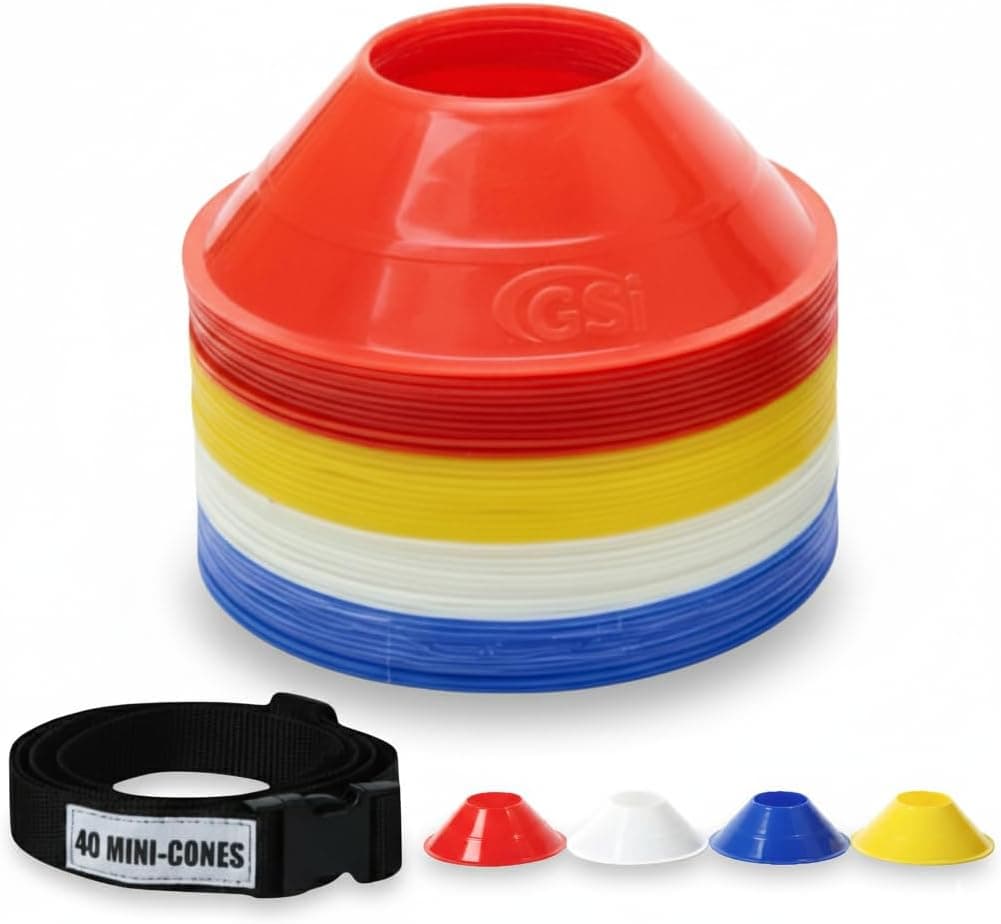
Disc Training Cones (Set of 40)
View on Amazon →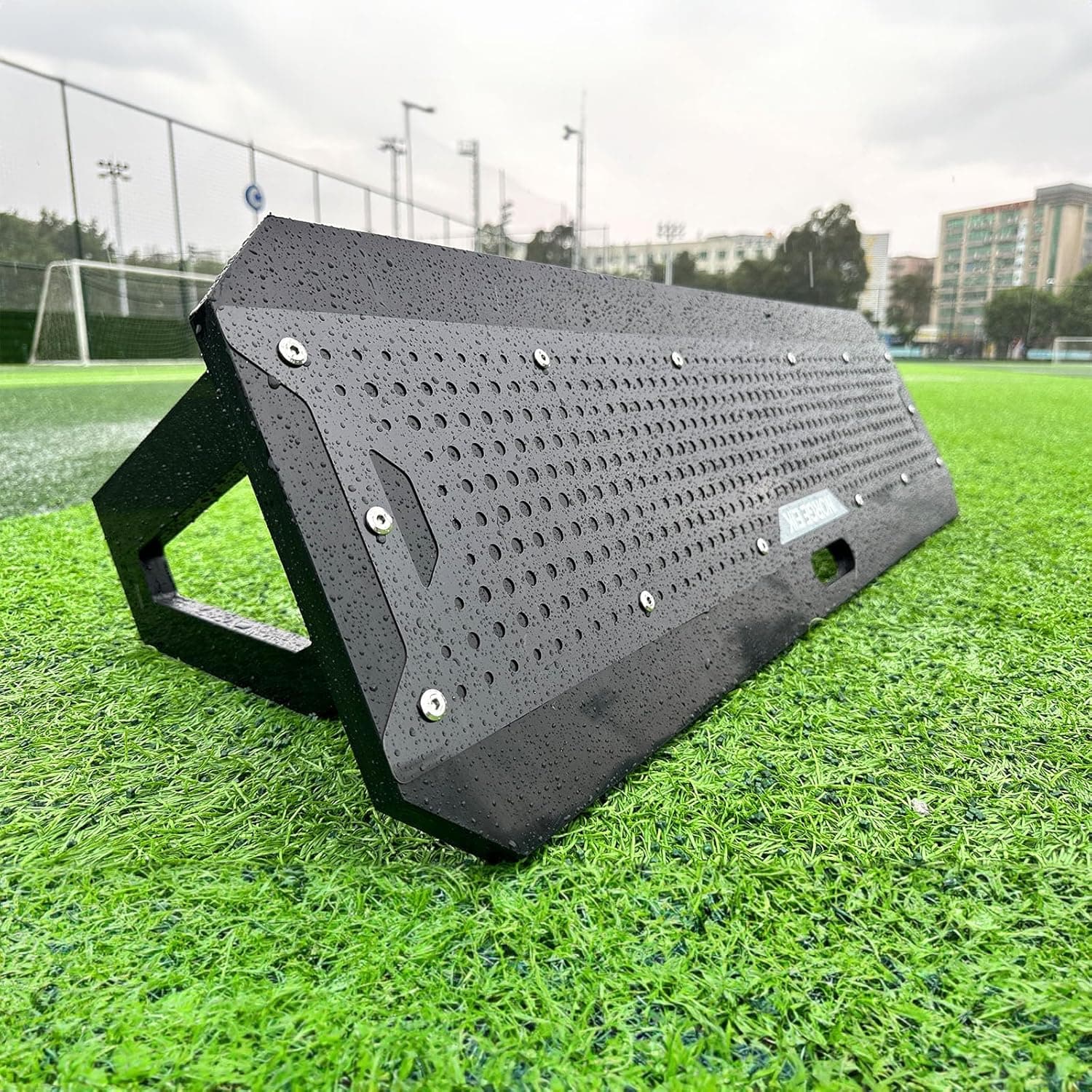
Soccer Rebounder
View on Amazon →As an Amazon Associate we earn from qualifying purchases, at no extra cost to you.