
How Many Days a Week Should My Child Practice Soccer
December 7, 2025

How Many Days a Week Should My Child Practice Soccer?
This is probably the single most frequently asked question I get from soccer parents, and it is a question I used to struggle with myself. On one hand, you want your child to develop and improve. More practice seems like it should mean more improvement. On the other hand, you have heard the warnings about overtraining, burnout, and the importance of letting kids be kids.
So what is the right answer? How many days a week should your child be practicing soccer? The answer depends on their age, their other commitments, their enthusiasm for the game, and most importantly, the type of practice we are talking about.
Defining Our Terms: What Counts as Practice
Before we talk about frequency, we need to distinguish between different types of soccer activity, because they are not all equal in terms of demand on the body and mind.
- Team practice: Organized training with a coach. Typically 60-90 minutes. Moderate to high physical intensity. Includes waiting time, instruction time, and active participation.
- Games: Full competitive matches. High physical and emotional intensity. Typically 40-70 minutes of playing time depending on age.
- Home training: Individual skill work at home. Typically 15-25 minutes. Low to moderate physical intensity. High technical focus with lots of ball touches.
- Free play: Unstructured play with friends or family involving a soccer ball. Variable intensity. High enjoyment factor.
The reason this distinction matters is that a child who does two team practices, one game, and three home training sessions in a week is not doing the same thing as a child who does six team practices. The physical and mental demands are very different.
Recommendations by Age Group
Ages 4-6: Maximum 3 Days Per Week of Organized Activity
At this age, organized soccer should be limited to no more than two to three sessions per week, and those sessions should be short, around 30 to 45 minutes. On top of that, unstructured play with a ball can happen daily and should be encouraged, but never forced.
A typical week might look like:
- 1-2 team practices or soccer class sessions
- 1 game on the weekend
- Daily unstructured play with a ball as desired by the child
- Lots of other physical activities: playground, swimming, riding bikes, playing other sports
At this age, the emphasis should be overwhelmingly on fun and general athletic development, not on soccer-specific skill accumulation.
Ages 7-9: 3-5 Days Per Week Including Home Training
This is when home training starts to become a meaningful addition to the development mix. Kids in this age range can handle more structured activity, and their brains are ready to start building real technical skills.
A well-balanced week might look like:
- 2 team practices
- 1 game
- 2-3 home training sessions of 15-20 minutes each
- At least 2 full rest days with no organized soccer activity
The key principle for this age group is that home training sessions should be short and enjoyable. You are building the habit of training at home, and the habit will not stick if the sessions are too long or too demanding. Platforms like Anytime Soccer Training provide age-appropriate sessions that fit perfectly into this framework.
Ages 10-12: 4-5 Days Per Week Including Home Training
During the golden age of skill acquisition, slightly higher frequency is both appropriate and beneficial. Kids in this age range can handle more focused technical work and benefit enormously from the extra repetitions that home training provides.
A well-balanced week might look like:
- 2-3 team practices
- 1-2 games
- 3-4 home training sessions of 20-25 minutes each
- At least 2 rest days per week
Note that even with increased frequency, the home training sessions remain relatively short. Quality and focus are what matter, not session length. A child who does four focused 20-minute sessions will develop faster than one who does two unfocused 45-minute sessions.
Ages 13-15: 5-6 Days Per Week Including Home Training
Teens can handle higher training loads, and the competitive demands of this age group often require it. However, the risk of overtraining and burnout also increases, so monitoring your child's physical and emotional state becomes especially important.
A well-balanced week might look like:
- 3-4 team practices
- 1-2 games
- 2-3 home training sessions of 25-35 minutes each
- At least 1-2 rest days per week
Ages 16 and Up: 5-6 Days Per Week
Older teens training at high competitive levels may train nearly every day, but should still incorporate at least one full rest day per week. Home training at this level can include physical conditioning in addition to technical work.
The Most Important Rule: Two Rest Days Minimum
Regardless of age, every young soccer player should have at least two days per week with no organized physical activity. Rest is when the body repairs muscle tissue, when the brain consolidates learned skills, and when the mind recharges motivation. Skipping rest days does not accelerate development. It increases injury risk and accelerates burnout.
Rest days do not mean your child has to sit on the couch. They can be active in non-structured ways. But there should be no organized practice, no games, and no formal home training on rest days.
Signs You Are Doing Too Much
Watch for these warning signs that your child may be overloaded:
- Persistent fatigue: Tiredness that does not resolve with a good night's sleep
- Declining performance: Getting worse rather than better despite increased training
- Loss of enthusiasm: Dreading practice or games they used to enjoy
- Frequent minor injuries: Nagging aches, strains, or pains that keep recurring
- Mood changes: Irritability, anxiety, or sadness related to soccer
- Sleep disruption: Trouble falling asleep or staying asleep
- Social withdrawal: Pulling away from friends or non-soccer activities
If you notice several of these signs, reduce the training load immediately. It is always better to do slightly less than slightly more when it comes to young athletes.
Signs You Could Be Doing More
On the flip side, here are signs that your child could benefit from additional training:
- They are enthusiastic about soccer and frequently play with a ball on their own
- They express frustration about specific skills they want to improve
- They are physically fresh and energetic, not worn down
- They have free time that is not filled with other worthwhile activities
- They are interested in and receptive to the idea of home training
If these describe your child, adding two to three short home training sessions per week through a platform like Anytime Soccer Training is a natural next step that can accelerate their development without overloading them.
Quality Over Quantity: The Final Word
If there is one takeaway from this entire article, it is this: the quality of practice matters infinitely more than the quantity. A child who does three high-quality, focused 20-minute home training sessions per week will improve faster than a child who does six sloppy, unfocused 30-minute sessions.
Quality means focused attention on specific skills. It means working at the right level of challenge. It means being mentally present rather than going through the motions. It means having fun, because enjoyment drives engagement and engagement drives learning.
Find the right frequency for your child's age, enthusiasm, and schedule. Prioritize quality in every session. Protect rest days like they are sacred. And trust that consistent, moderate, high-quality training will produce better long-term results than cramming in as many hours as possible.
Your child's body, mind, and love for the game will thank you.
Gear we use for this
The kit our own players train with at home.
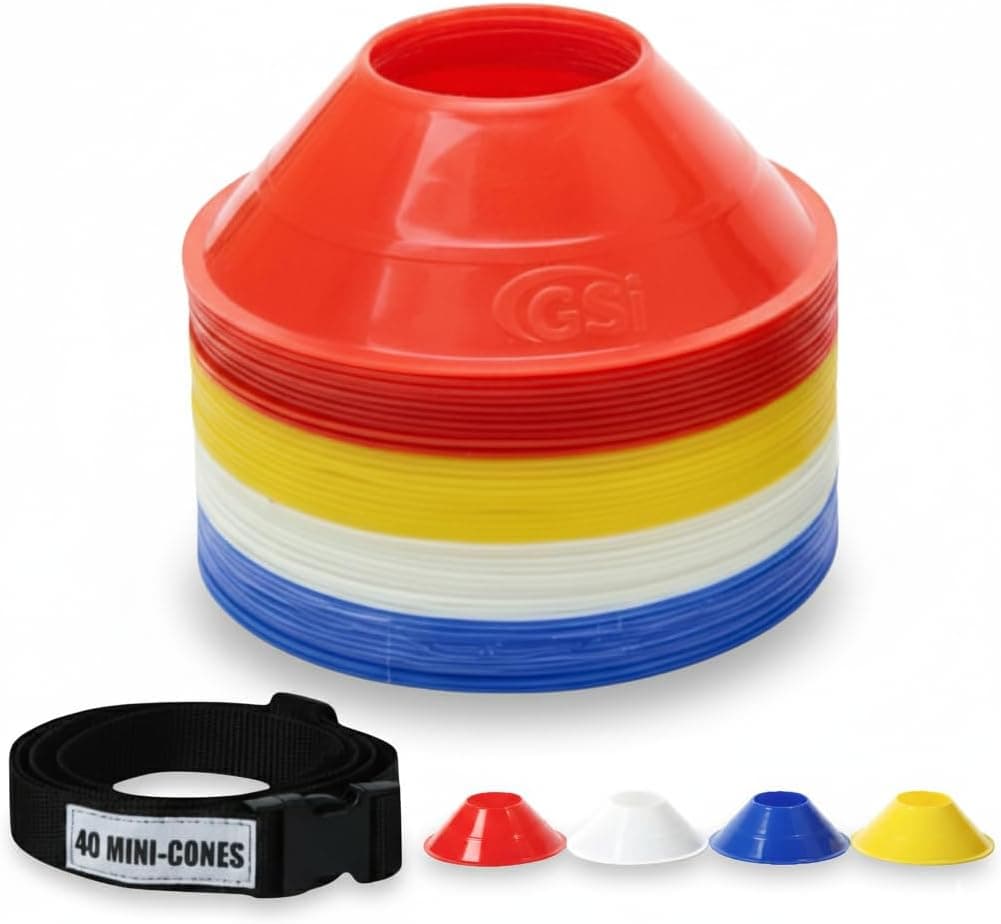
Disc Training Cones (Set of 40)
View on Amazon →
Adidas MLS Training Soccer Ball
View on Amazon →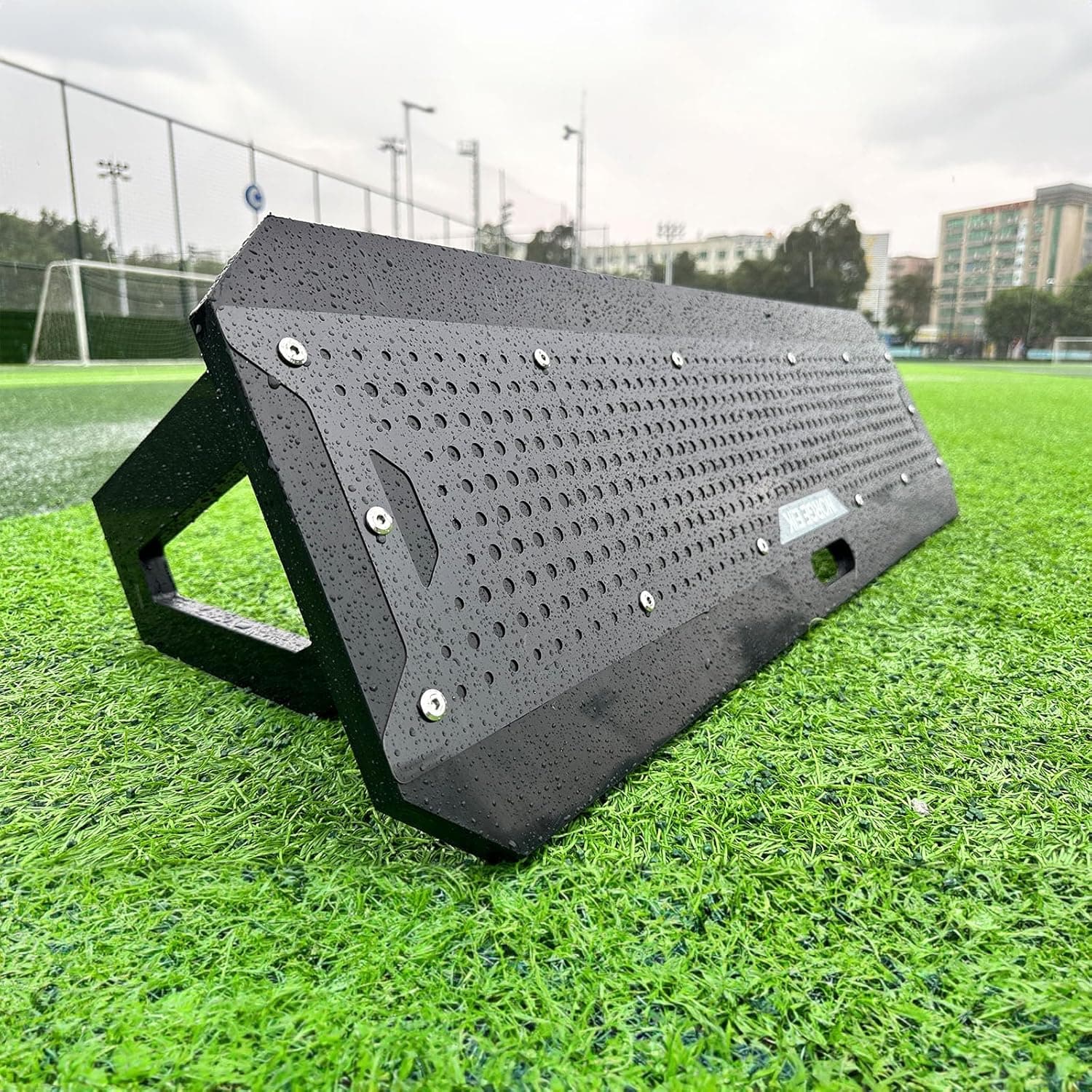
Soccer Rebounder
View on Amazon →As an Amazon Associate we earn from qualifying purchases, at no extra cost to you.