
How I Learned to Stop Being That Soccer Parent
January 8, 2026
A Confession From the Sideline
I was that parent. You know the one. The one shouting instructions from the sideline. The one who analyzed every game on the drive home. The one whose body language after a loss could darken a room. The one whose child looked over at the bench after every play, not for encouragement, but to gauge whether Dad was disappointed.
I didn't realize I was that parent for a long time. In my mind, I was engaged, passionate, and supportive. I was helping. I was motivating. I was giving my son the benefit of my vast soccer wisdom (which, in reality, consisted of watching Premier League matches and reading a few coaching books).
The wake-up call came during a car ride home after a game. My son, then nine years old, was sitting quietly in the back seat while I dissected the game from the front. "You should have shot instead of passing on that breakaway. And your positioning in the second half was too deep. And you need to use your left foot more when you're on that side of the field."
After a long silence, a small voice from the back seat: "Dad, can we just not talk about soccer right now?"
That sentence broke something open in me. My nine-year-old was asking for emotional space — from his own father, about the sport he was supposed to love. I had become the problem.
The Damage I Didn't Know I Was Doing
Once I started paying attention — really paying attention — I saw the impact of my behavior everywhere:
- His body language: Shoulders dropped after mistakes. Eyes darting to the sideline. Tension in his posture that had nothing to do with the game and everything to do with my reaction to it.
- His decision-making: Safe passes instead of creative ones. Avoidance of risk. Playing not to mess up, rather than playing to excel.
- His post-game mood: Tied directly to whether I was pleased or disappointed. Good game + happy Dad = happy kid. Bad game + disappointed Dad = miserable evening for everyone.
- His comments about soccer: Increasingly peppered with anxiety. "I hope I don't mess up." "What if I make the coach mad?" "What if I play badly?"
My enthusiastic "involvement" had created an environment where my son associated soccer with the risk of disappointing me. And research consistently shows that parental pressure is the number one reason kids lose enjoyment of sports.
The Changes I Made
Changing my behavior wasn't easy. These patterns were deeply ingrained. But I committed to it because my son's relationship with soccer — and with me — depended on it.
Change #1: The Silent Sideline
I stopped coaching from the sideline entirely. No instructions. No tactical suggestions. No "shoot!" or "pass it!" or "man on!" I allowed myself three things only: clapping, cheering positive plays, and saying "great effort" regardless of the outcome.
This was excruciatingly difficult for the first few games. I literally had to bite my tongue. But the effect on my son was immediate. Without my constant narration, he started making his own decisions. He looked at the field instead of the sideline. He played more freely. He took risks.
Change #2: The Car Rule
We established a rule: no soccer talk in the car after games unless he initiates it. The car is a decompression zone. We listen to music, talk about other things, or just enjoy the silence. If he wants to talk about the game, great. If not, that's great too.
This single change transformed our post-game dynamic. Instead of tense, analytical rides home, we had relaxed, connected ones. And ironically, once the pressure was removed, my son started voluntarily sharing more about his games than he ever had when I was probing.
Change #3: Effort Over Results
I stopped asking about scores, goals, and wins. Instead, I asked: "Did you have fun? Did you try something new? What are you proud of from today?" These questions communicated that I valued his experience and effort, not just the outcome.
Change #4: Separating My Ego From His Journey
This was the hardest change because it required brutal self-honesty. I had to admit that part of my intensity wasn't about my son at all — it was about me. His successes made me feel like a good parent. His failures felt like my failures. I had intertwined my self-worth with his soccer performance, and that was both unfair to him and unhealthy for me.
Separating my ego from his journey meant accepting that his soccer career is his, not mine. His wins aren't my wins. His losses aren't my losses. My job is to support, not to live vicariously.
Change #5: Redirecting My Energy
I still wanted to contribute to my son's development — that parental drive doesn't just disappear. But I needed to find a way to contribute that was positive rather than pressuring. The answer was creating the conditions for development rather than trying to direct it.
I set up a training space in the backyard. I subscribed to Anytime Soccer Training so he had quality guided sessions available whenever he wanted them. I made sure equipment was accessible and the environment was inviting. Then I stepped back and let him choose when, how, and how much to train.
This was contribution without control. I was supporting his development without pressuring his performance. And it worked far better than anything I'd done from the sideline.
What Happened Next
The changes didn't produce overnight results. For the first few weeks, my son seemed confused by my new approach. He was so accustomed to my sideline coaching that the silence felt strange. But gradually, he adapted — and flourished.
Without the weight of my expectations, he started playing with more joy. He smiled more on the field. He attempted creative moves he'd been too afraid to try when he knew I was watching and evaluating. His coach commented that he seemed "lighter" and more confident.
At home, the dynamic shifted too. Training sessions became his choice, not my mandate. He started training more, not less, because it was no longer associated with parental pressure. The Anytime Soccer Training sessions became his thing — something he did for himself, on his own terms.
Our relationship improved in ways that extended far beyond soccer. The tension that had been building between us — the unspoken resentment of a child who feels constantly evaluated — dissipated. We were father and son again, not coach and player.
Lessons for Other Soccer Parents
If any of this sounds familiar — if you see yourself in the sideline shouter, the car-ride analyst, the disappointed body-language broadcaster — I want you to know two things:
First, you're not a bad parent. This behavior comes from a good place: love, investment, and a genuine desire for your child to succeed. The intention is pure. It's the execution that needs adjusting.
Second, change is possible and the impact is profound. The adjustments I made weren't complicated. They were hard, in the way that changing any habit is hard. But the payoff — in my son's enjoyment, his development, and our relationship — has been immeasurable.
Signs You Might Be "That Parent"
- Your child looks at you more than at the game during matches
- You regularly give tactical instructions from the sideline
- The car ride home often involves game analysis initiated by you
- Your mood after games is visibly affected by the result
- Your child seems anxious before games or tense during them
- You find yourself comparing your child to their teammates regularly
- Training at home feels like a source of conflict rather than connection
If you recognized yourself in several of these, consider making some changes. Start with one — maybe the car rule. See how it feels. Notice the impact. Then add another.
The Parent I Want to Be
Today, I try to be the parent that every child deserves on the sideline: present, positive, and proud regardless of the score. I cheer great effort. I clap for teammates. I enjoy watching my son play a game he loves without making it about me.
I'm not perfect at it. There are games where I catch myself tensing up, where the old instinct to shout instructions rises in my throat. But I'm better than I was, and I'm getting better all the time — which, come to think of it, is exactly the growth mindset I want my son to have.
The irony isn't lost on me. By letting go of control, I've gained more influence over my son's development than I ever had when I was gripping tightly. By stepping back from the sideline, I've become a more effective supporter of his journey. By choosing silence over instructions, I've given him the space to find his own voice on the field.
If you're ready to make the change, start today. Set up the training space. Subscribe to Anytime Soccer Training. Create the conditions for growth. Then step back, watch from a distance, and enjoy the beautiful sight of your child playing the beautiful game — free, joyful, and unburdened by anyone's expectations but their own.
Gear we use for this
The kit our own players train with at home.

Adidas MLS Training Soccer Ball
View on Amazon →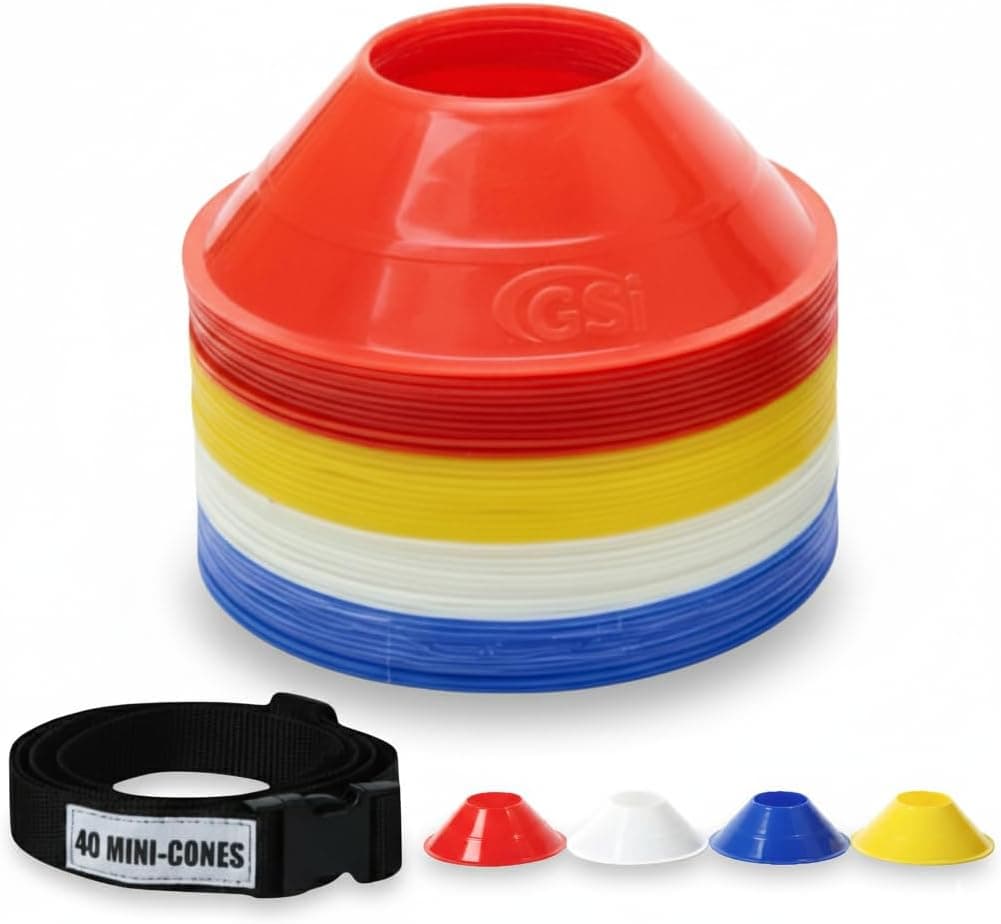
Disc Training Cones (Set of 40)
View on Amazon →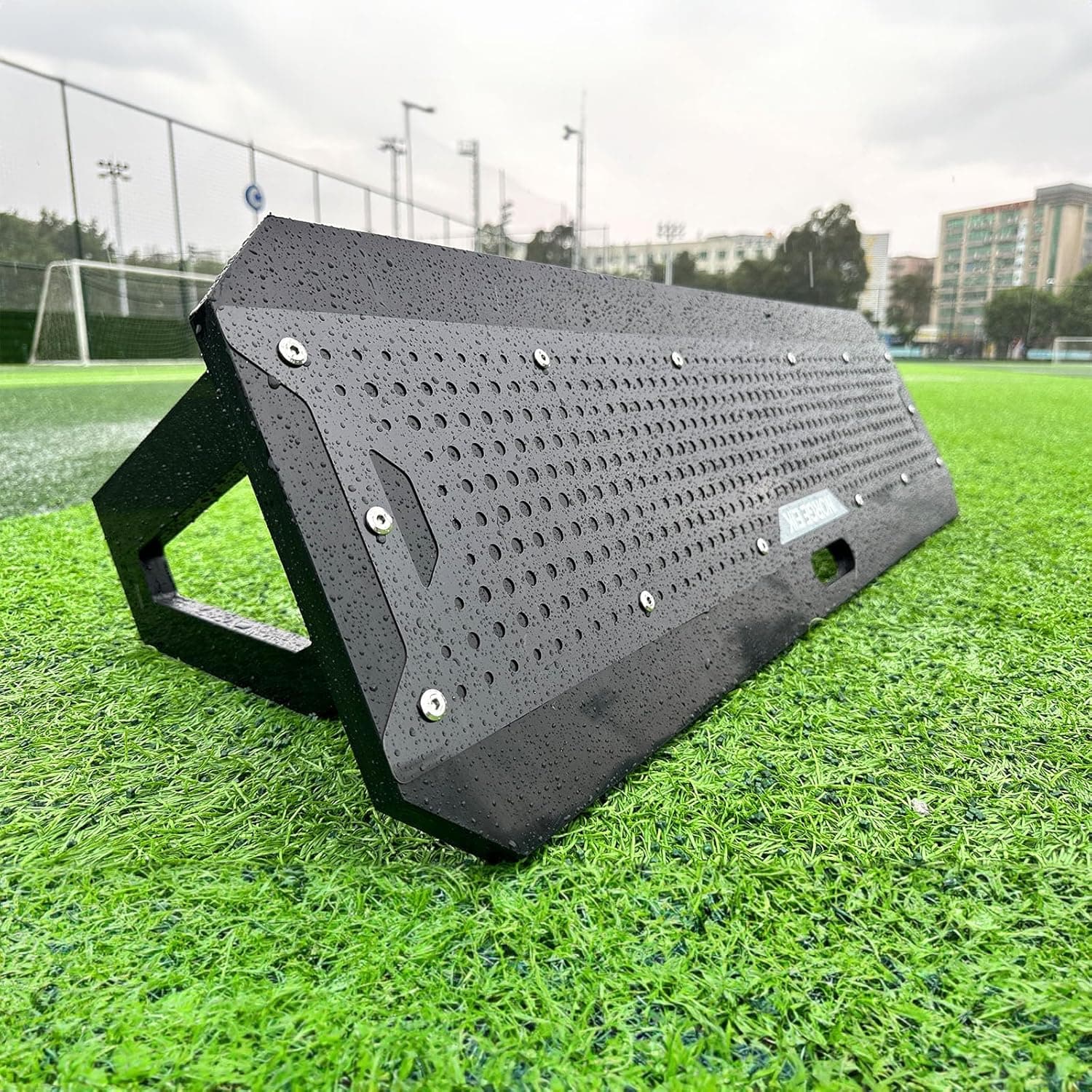
Soccer Rebounder
View on Amazon →As an Amazon Associate we earn from qualifying purchases, at no extra cost to you.