
How a Busy Mom Found 15 Minutes a Day for Soccer Training
February 28, 2026

How a Busy Mom Found 15 Minutes a Day for Soccer Training
I need to start with a confession: I am not a soccer person. I didn't grow up playing. I can't demonstrate a Cruyff turn. I'm not entirely sure what offsides is (don't quiz me). When my son Mateo fell in love with soccer at age six, I supported him the way I knew how — I signed him up for a team, drove him to practice, and cheered at games. That was my contribution, and I thought it was enough.
It was my friend Elena, whose daughter plays on a competitive club team, who planted the seed that changed everything. "Are you doing any training at home?" she asked casually one Saturday morning while we watched our kids play. When I said no, she looked genuinely surprised. "The kids who are really improving are all doing 15-20 minutes a day at home. It makes a huge difference."
I nodded politely but inwardly rolled my eyes. Fifteen minutes a day? Where was I supposed to find that? I'm a single mom working full-time with two kids. Our evenings are a blur of homework, dinner, bath, and bedtime. The idea of adding one more thing to our schedule felt laughable.
But the seed had been planted. And over the next several months, I found those 15 minutes — not by adding something to our schedule, but by reimagining how we used time we already had.
The Time Audit That Changed My Perspective
The first thing I did was honestly track how we spent our after-school time for one week. Here's what I found:
- 3:30-4:00 PM: Arrive home, snacks, decompression
- 4:00-5:00 PM: Homework (usually 30-45 minutes of actual work, plus a lot of procrastination)
- 5:00-6:00 PM: Screen time (YouTube, tablets, video games)
- 6:00-6:30 PM: Dinner prep (kids on screens while I cook)
- 6:30-7:00 PM: Dinner
- 7:00-7:30 PM: Free time / screens
- 7:30-8:00 PM: Bath and bedtime routine
There it was. Between 5:00 and 6:30 PM, Mateo was spending roughly 90 minutes on screens. Could 15 of those minutes become soccer training? Obviously yes. The time was there — it was just being used for something less valuable.
That realization was embarrassing and liberating at the same time. I wasn't too busy for 15 minutes of soccer training. I was choosing screens over training because screens were easier. They required nothing from me. Training would require setup, engagement, and a shift in routine. But those were excuses, not barriers.
Finding the Right Tool
The next challenge was figuring out what 15 minutes of training should look like. Remember, I know nothing about soccer. I can't demonstrate skills or design drills. I needed something that would guide Mateo through a training session without requiring any soccer knowledge from me.
Elena recommended Anytime Soccer Training, and it immediately solved my biggest problem. The platform provides video-guided sessions where a professional coach demonstrates each exercise and Mateo follows along. I don't need to know anything about soccer. I just need to set up the tablet, make sure Mateo has a ball and some space, and press play.
The sessions are 10-15 minutes, age-appropriate, and progressive — they start with basic skills and build from there. For a non-soccer parent, this was a godsend. I didn't have to figure out what to practice, how to teach it, or what order to do things in. The platform handled all of that.
The Routine We Built
Here's how we integrated 15 minutes of training into our existing schedule:
The slot: 5:00-5:15 PM — the time that used to be the beginning of screen time.
The routine:
- At 5:00, Mateo grabs his ball and goes to the garage (or backyard in good weather).
- I set up the Anytime Soccer Training session on a tablet propped on a stool.
- He follows along with the guided session while I go back inside to start dinner prep.
- At 5:15, he comes inside. Screen time starts at 5:15 instead of 5:00.
That's it. Mateo gets his screen time — just 15 minutes less of it. And in exchange, he gets a structured soccer training session that's improving his skills dramatically.
Here's what made it work:
- It's at the same time every day. No decision-making, no negotiation. Five o'clock means training. It's as automatic as homework.
- I'm not involved in the actual training. I don't stand over him. I don't coach. I don't evaluate. He follows the video; I cook dinner. This is critical because it means training doesn't require my active time or attention.
- Screen time still happens — just later. We didn't eliminate screen time. We shifted it by 15 minutes. This made the change painless for Mateo because he wasn't losing anything he valued.
- The sessions are short enough to be painless. Fifteen minutes feels like nothing. By the time Mateo might think about being bored or resistant, the session is over. He never complains because it's over so quickly.
What Changed After Three Months
The first month, I honestly wasn't sure anything was happening. Mateo did his sessions, came inside, and that was that. I didn't watch closely (I was cooking) and I didn't ask about them (I was trying not to add pressure).
But at the start of month two, his rec league coach pulled me aside after a game and said, "Whatever Mateo's been doing, keep doing it. His ball control is noticeably better." I nearly cried. Not because of the soccer improvement, but because this tiny daily commitment was actually working.
By month three, the changes were visible to everyone. Mateo was more confident with the ball. He was attempting dribbling moves he'd never tried before. His first touch was cleaner. He was playing with a freedom and joy that reminded me of why he fell in love with soccer in the first place.
But the change I care about most has nothing to do with soccer. Mateo now has a daily discipline practice. Every day, he does something that requires effort and focus, even when he doesn't feel like it. He's learning that small, consistent actions produce big results over time. He's eight years old, and he's already internalizing the principle of compound improvement. That lesson will serve him in everything he does for the rest of his life.
Tips for Other Busy Parents
If you're in a similar situation — busy, non-soccer-expert, and skeptical that 15 minutes can make a difference — here's my advice:
- Do a time audit. Track your after-school routine for a week. I guarantee you'll find 15 minutes that are currently being spent on something less impactful than skill development. You don't need to create new time — you need to repurpose existing time.
- Use a platform that doesn't require your expertise. Anytime Soccer Training was the key for me because it provides professional instruction without requiring me to know anything about soccer. Your child follows along with a coach on video. Your role is logistics, not instruction.
- Anchor it to an existing routine. Attach training to something that already happens every day at the same time. For us, it's right after homework. For another family, it might be right before dinner or right after school. The anchor makes it automatic.
- Don't supervise. Let your child do their session independently. If you're hovering and evaluating, you're adding pressure and requiring your own time. If they're following a video in the garage while you handle other responsibilities, everyone wins.
- Start with the tiniest possible commitment. If 15 minutes feels like too much, start with 10. Or even 5. The point isn't to start big — it's to start. You can always increase later once the habit is established.
- Protect the screen time. Don't eliminate it — shift it. Your child won't resent losing 15 minutes of screen time if they still get plenty afterward. But if you take away all screens in exchange for training, you'll face rebellion.
- Be patient with results. The first few weeks, nothing visible will change. Trust the process. The compound effect of daily training takes time to manifest, but when it does, it's dramatic.
The Bigger Win
Six months later, the 15-minute training routine is just part of our life. Mateo doesn't question it or resist it. Some days he's enthusiastic; other days he just goes through the motions. Both are fine. The consistency is what matters, and we've achieved that.
His soccer skills have improved significantly. He's one of the strongest players on his rec team now, and we're considering trying out for a club team next season — something that wouldn't have been realistic six months ago. His coach regularly comments on his improvement and asks what we're doing.
But the win I'm most proud of has nothing to do with soccer performance. It's the fact that my non-soccer-expert, time-strapped, overwhelmed single mom self figured out how to support my child's passion in a meaningful way. I didn't need to become a soccer coach. I didn't need to clear hours from our schedule. I just needed 15 minutes, a good tool, and the willingness to try.
If I can do it, you can do it. Trust me on this one.
Gear we use for this
The kit our own players train with at home.

Adidas MLS Training Soccer Ball
View on Amazon →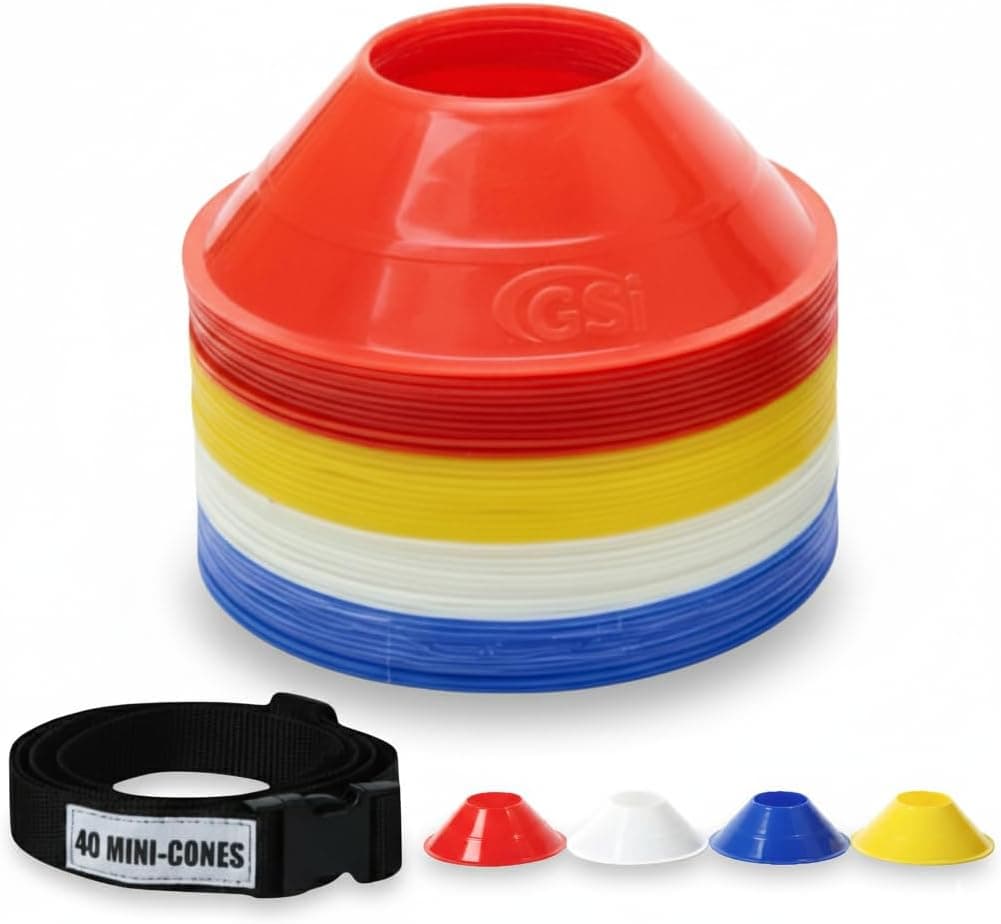
Disc Training Cones (Set of 40)
View on Amazon →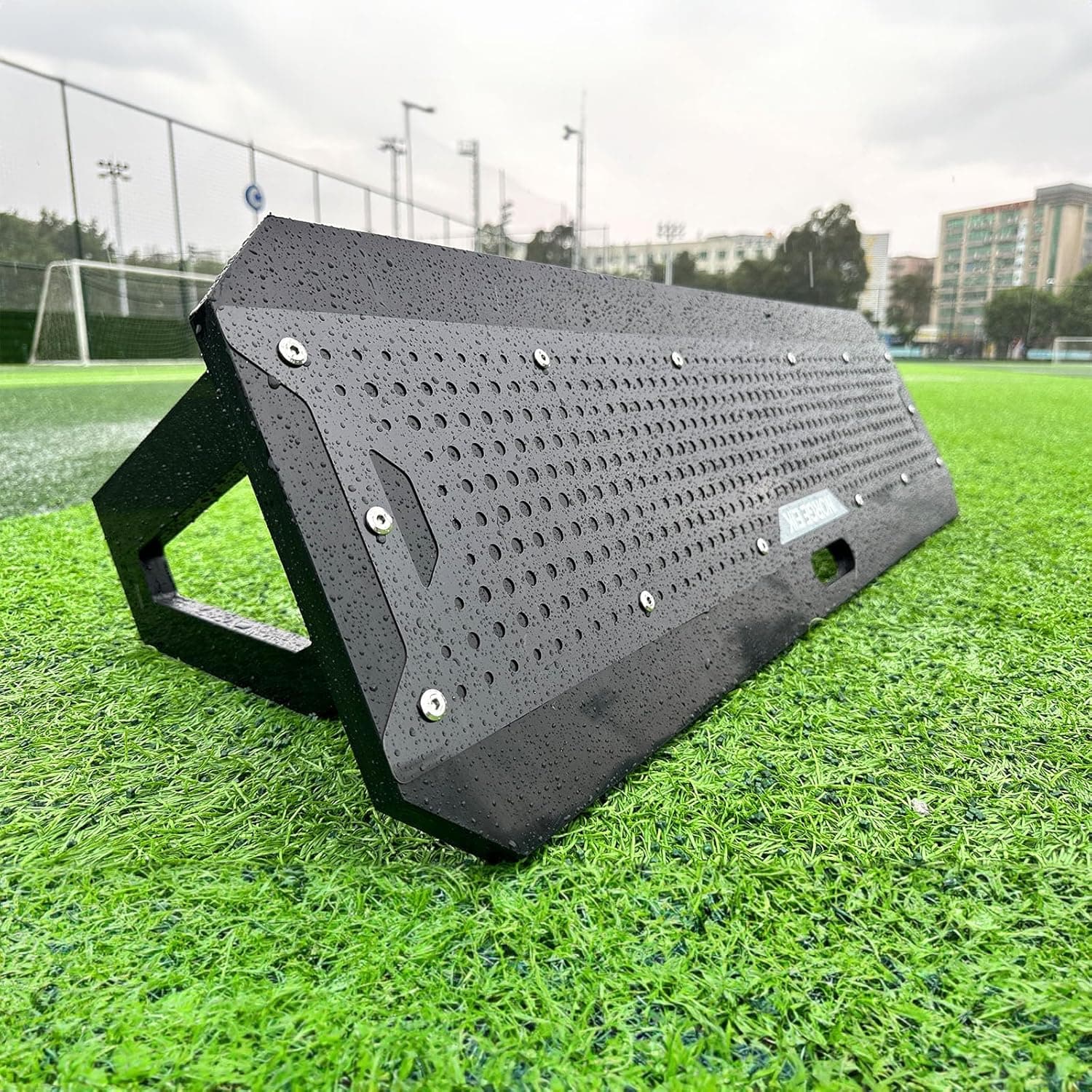
Soccer Rebounder
View on Amazon →As an Amazon Associate we earn from qualifying purchases, at no extra cost to you.