
How 15 Minutes a Day Changed Everything for Us
January 6, 2026
The Smallest Commitment With the Biggest Payoff
I used to think serious soccer development required serious time. Hours of training. Multiple sessions per week. Weekend tournaments. Summer camps. The more time invested, the better the player. That was my operating assumption for the first three years of my son's soccer journey.
Then life got complicated. My wife and I both took on new roles at work. Our younger daughter started gymnastics. The family calendar became a warzone of conflicting commitments. Something had to give, and unfortunately, the thing that gave was my son's extra soccer training. We dropped the private coach. We stopped attending optional clinics. All that remained was his team practices and a gnawing parental guilt that we were letting his development slide.
That guilt is what led me to make a deal with my son: "What if we just did 15 minutes a day? Every day. No matter what. Just 15 minutes of focused training in the backyard." He agreed, probably because 15 minutes didn't sound like much. Neither of us expected what would happen next.
Month 1: Building the Habit
The first month was about establishing the routine, not achieving results. We picked a time — right after school, before homework — and made it non-negotiable. Every day at 3:45 PM, my son was in the backyard with a ball.
We used Anytime Soccer Training for structure. Each session was guided, so neither of us had to think about what to work on. He'd pull up the day's session on his tablet, set it on a chair in the backyard, and follow along. Ball mastery on Mondays, first touch on Tuesdays, dribbling on Wednesdays — the platform handled the curriculum while we handled showing up.
The first week was rough. He complained. He rushed through sessions. He asked "is it over yet?" approximately seven thousand times. The second week was slightly better. By the third week, something shifted. He stopped complaining. He started moving to the backyard without being reminded. By the fourth week, it was just part of his day — like brushing his teeth, except with more toe taps.
The habit had taken root. And that, more than any individual skill gained, was the most important outcome of Month 1.
Month 2: The First Signs of Progress
Around week five, I noticed something during my son's team practice. His first touch was cleaner. Not dramatically so — just a little crisper, a little more controlled. The ball seemed to stick to his feet a bit more than it used to.
His juggling record, which we tracked daily, told a clearer story. He started the experiment at 34 consecutive juggles. By the end of Month 2, he was at 89. That's 155% improvement in eight weeks from just a few minutes of juggling practice per day.
But the number I was most interested in was this: he had completed 56 consecutive days of training without missing a single day. Fifty-six days. Rain, fatigue, bad mood, busy schedule — none of it broke the streak. The habit was officially locked in.
Month 3: The Coach Notices
Eight weeks in, my son's club coach pulled me aside after practice. "I don't know what's changed, but your son's technical ability has jumped significantly in the last couple of months. Whatever he's doing, tell him to keep doing it."
I told the coach about the 15-minute daily sessions. He wasn't surprised. "That's exactly the kind of individual work that makes the difference," he said. "I wish more parents understood that."
By Month 3, the improvements were visible to everyone:
- Ball mastery: His foot speed and control during warm-up exercises had improved noticeably. Moves that used to require conscious effort now flowed naturally.
- Weak foot: We'd been including weak-foot work in every session, and his left foot had gone from "barely functional" to "consistently usable." He started using it in games without even thinking about it.
- Confidence: This was the biggest change. He carried himself differently on the field. He was more willing to take on defenders, try new moves, and play creatively. The daily practice had given him a safety net of skills that made him feel capable of anything.
The Math That Makes It Work
When I sit down and do the numbers, the power of 15 minutes a day becomes almost startlingly clear:
- 15 minutes per day = 105 minutes per week = 455 minutes per month = 5,460 minutes per year
- 5,460 minutes = 91 hours of focused individual training per year
- At approximately 500-1,000 touches per 15-minute session, that's 182,500-365,000 additional touches per year
For context, most team practices give each player 100-200 touches. So a player attending two team practices per week gets about 10,400-20,800 touches per year from team training. Adding 15 minutes of daily home training can increase a player's annual touch count by 10-35 times.
These aren't theoretical numbers. This is the math behind why my son — and thousands of other kids who commit to daily home training — improve faster than their peers who only train with their teams.
What a Typical Session Looks Like
For anyone wondering about the specifics, here's what a standard 15-minute session looks like in our household:
Minutes 1-4: Ball Mastery Warm-Up
Toe taps, sole rolls, inside-outside touches, V-pulls, and other foundation moves. These get the feet connected to the ball and the brain engaged. The Anytime Soccer Training programs provide structured routines that progress in difficulty each week.
Minutes 5-11: Focused Skill Work
This is the meat of the session and it rotates daily:
- Day 1: Dribbling moves and turns
- Day 2: Wall passing and first touch
- Day 3: Weak foot dedicated work
- Day 4: Speed dribbling and agility
- Day 5: Shooting or long passing (if space allows)
Minutes 12-15: Juggling Challenge
End every session with juggling. Track the record. Try to beat it. This provides a consistent measurable metric that fuels motivation and builds touch.
The Unexpected Benefits
Beyond soccer skills, the daily 15-minute commitment produced benefits we never anticipated:
Time Management
My son learned to manage his time better because he had a non-negotiable 15-minute block in his day. He started doing homework more efficiently because he knew training was coming. He began planning his afternoons rather than just letting them happen. At eleven years old, he's better at time management than most adults I know.
Self-Discipline
Training every day, regardless of mood or circumstance, builds discipline. My son has trained when it was cold. He's trained when he was tired. He's trained when he'd rather be playing video games. Not because I forced him, but because the streak mattered to him and the habit was strong. That discipline transfers to everything — schoolwork, chores, commitments to friends.
Parent-Child Connection
Even though I'm not actively coaching during his sessions (he follows the Anytime Soccer Training programs independently), I'm present. I'm in the yard doing my own thing — gardening, reading, sometimes attempting the drills alongside him. We chat between exercises. We celebrate achievements. It's become our daily ritual, and it's brought us closer.
Reduced Screen Time
Here's a simple truth: the 15 minutes my son spends training is 15 minutes he's not on a screen. Over a year, that's 91 hours of physical activity replacing screen time. His energy, mood, and sleep have all improved since we started — and while I can't attribute that solely to the training, it's certainly a contributing factor.
Why 15 Minutes Is the Magic Number
I've experimented with different session lengths, and 15 minutes consistently works best for several reasons:
- It's not intimidating. Nobody can say they don't have 15 minutes. The psychological barrier to starting is almost zero.
- It maintains focus. Kids can stay fully engaged for 15 minutes. Push to 30 or 45 minutes and quality drops significantly.
- It's sustainable. An hour-long session might happen three times a week before burnout sets in. A 15-minute session can happen every day for years.
- It compounds. Daily frequency beats weekly intensity for skill development. The brain builds neural pathways through regular, repeated activation — and 15 minutes daily provides that better than longer, less frequent sessions.
How to Start Your Own 15-Minute Revolution
If our story resonates with you, here's how to begin:
Step 1: Choose a time that works every day. Consistency of timing is crucial for habit formation.
Step 2: Set up a training space that's always ready. Remove all friction between "deciding to train" and "actually training."
Step 3: Sign up for Anytime Soccer Training so your child has a guided program to follow. This eliminates the "what should I do?" problem entirely.
Step 4: Start tracking. A calendar with daily checkmarks or stars creates visual momentum that your child won't want to break.
Step 5: Commit to 30 days. That's all. After 30 days, the habit is established and continuing becomes easier than stopping.
Step 6: Step back and let your child own it. Provide encouragement, not supervision. Ask about fun, not performance. Celebrate consistency above all else.
One Year Later
It's been a year since we started the 15-minute daily experiment. My son hasn't missed a training day in over 300 days. His juggling record is 347 (up from 34). He's playing on the top team at his club. His coach regularly uses him as the example of what consistent individual work produces.
But the statistic I'm proudest of isn't a juggling number or a team placement. It's this: when I asked my son last week what he loves most about soccer, he didn't say winning. He didn't say scoring goals. He said, "I love getting better."
That's the growth mindset. That's the love of the process. And it all started with 15 minutes a day.
Gear we use for this
The kit our own players train with at home.

Adidas MLS Training Soccer Ball
View on Amazon →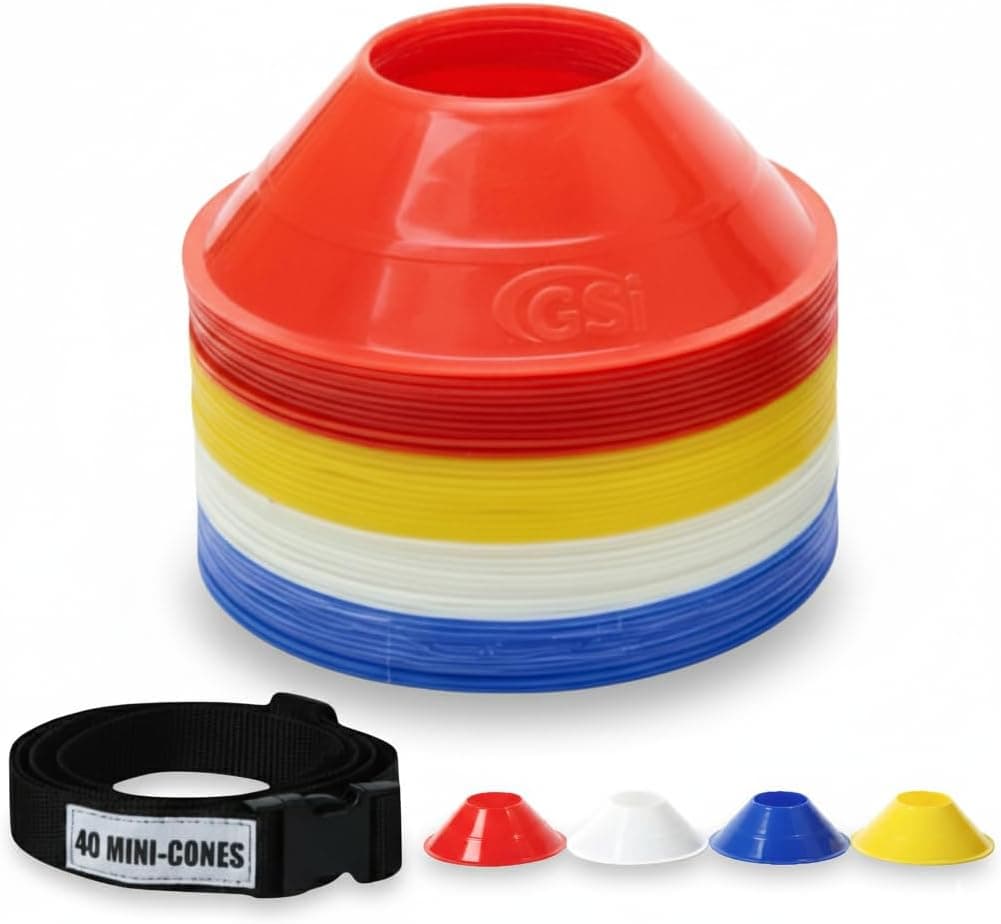
Disc Training Cones (Set of 40)
View on Amazon →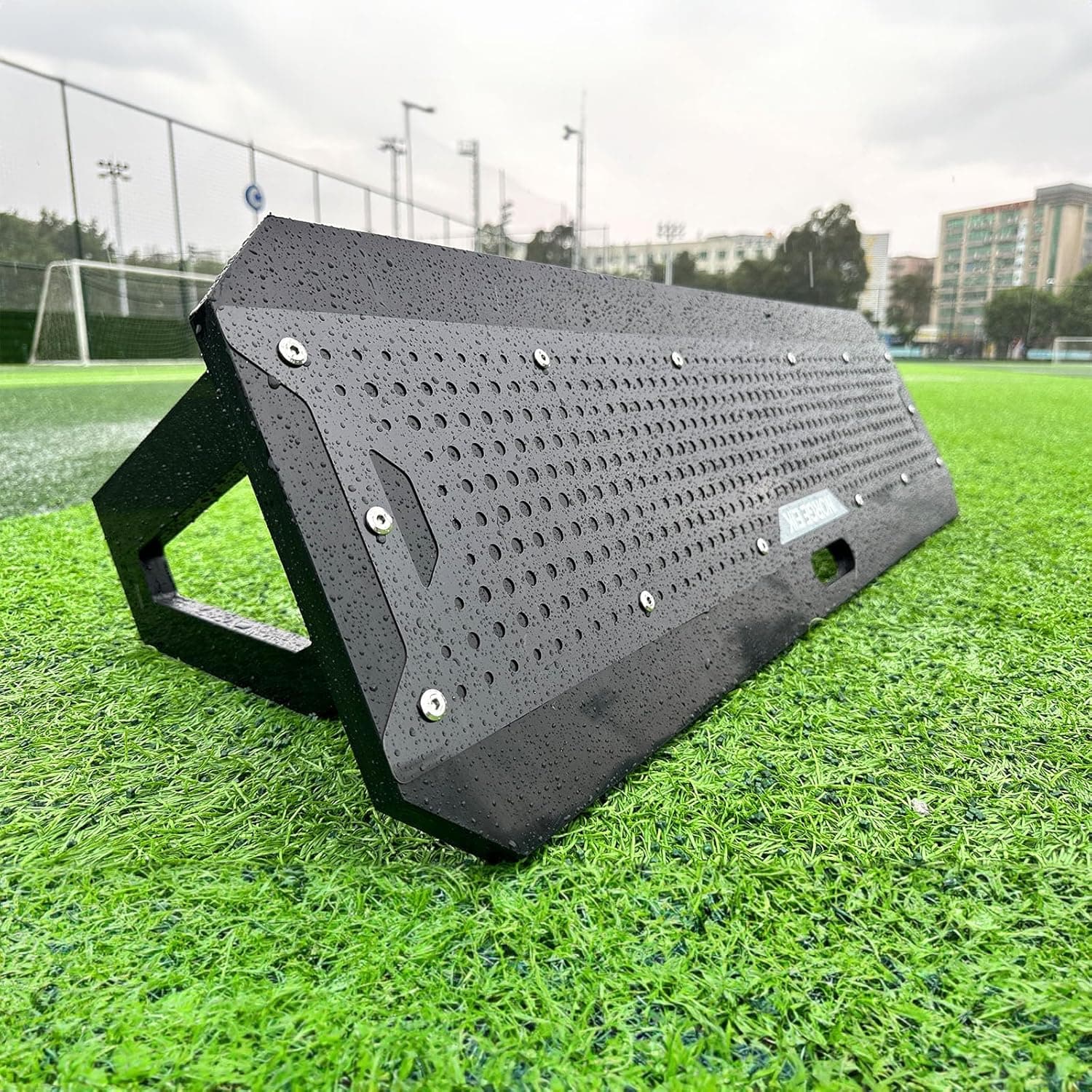
Soccer Rebounder
View on Amazon →As an Amazon Associate we earn from qualifying purchases, at no extra cost to you.