
High School Soccer Prep What to Do in Middle School
January 17, 2026
High School Soccer Prep: What to Do in Middle School
The transition from youth soccer to high school soccer is one of the biggest jumps a young player will face. The game gets faster, more physical, more tactical, and more competitive. Coaches have higher expectations, tryouts are more selective, and for many kids, this is the first time they face real consequences for their level of preparation — namely, getting cut or not making the team they want.
If your child is in middle school (grades 6-8) and plans to play high school soccer, the work they do during these years will largely determine their success. This guide lays out a comprehensive plan for the middle school years — what to work on, when to work on it, and how to approach the preparation process without creating stress or burnout.
The Big Picture: What High School Coaches Are Looking For
Before diving into the preparation plan, let's understand what high school coaches evaluate during tryouts. I've spoken with several high school coaches over the years, and their feedback is remarkably consistent. They're looking for:
- Technical proficiency: Clean first touch, accurate passing, comfortable dribbling, confident shooting. By high school, the basics should be automatic.
- Tactical awareness: Understanding of positioning, movement off the ball, when to pass vs. dribble, defensive shape. Players need to read the game, not just react to it.
- Athleticism: Speed, agility, endurance, and increasingly, strength. The physical demands of high school soccer are significantly higher than youth soccer.
- Coachability: The ability to listen, learn, and adapt. Coaches want players who respond to instruction and are willing to play different roles for the team.
- Competitive mindset: The mental toughness to compete in every practice, every game, every 50/50 ball. High school soccer rewards players who want it and show it.
- Game intelligence: The ability to make good decisions quickly under pressure. This comes from experience and from studying the game.
6th Grade: Build the Technical Foundation
Sixth grade is the time to shore up fundamental technical skills. If there are gaps in your child's ball mastery, passing, or first touch, this is the year to address them. Here's what to focus on:
- Ball mastery: Your child should be comfortable with the ball at their feet in all directions, at various speeds, using all surfaces of both feet. If they're still predominantly one-footed, now is the time to develop the weaker foot. Daily ball mastery work — even just 10-15 minutes — pays enormous dividends over a year.
- First touch: The ability to receive the ball cleanly and set it in the direction they want to go. Practice receiving on the ground and out of the air, with both feet, while stationary and while moving.
- Passing accuracy: Both short and medium-range passing with both feet. Wall passing is one of the most effective drills for developing this skill at home.
- Weak foot development: A player who can only use one foot is a player who can be easily defended. Spend dedicated time on the weaker foot — passing, receiving, dribbling, and shooting.
For structured skill development, Anytime Soccer Training offers excellent ball mastery and technical programs that are perfect for this age group. The guided video sessions take the guesswork out of what to practice and ensure your child is building skills in the right progression.
7th Grade: Add Tactical Understanding and Fitness
By seventh grade, the technical foundation should be solid. Now it's time to layer on tactical understanding and begin building the athletic base that high school soccer demands.
- Positional awareness: Your child should start developing a deeper understanding of their primary position. What are the responsibilities of a center midfielder? How does a fullback support the attack? Where should a striker position themselves relative to the last defender? Watch professional games together and discuss positioning.
- Game reading: Work on your child's ability to "scan" the field before receiving the ball. The best players know their options before the ball arrives. This is a skill that can be developed by watching professional games and doing simple scanning exercises during home training.
- Fitness development: Begin a basic fitness routine that includes:
- Running endurance (building up to running consistently for 30-40 minutes)
- Sprint work (short bursts of 10-30 yards, simulating game situations)
- Agility work (change of direction drills, ladder work)
- Core strength (planks, sit-ups, Russian twists — bodyweight exercises appropriate for a 12-13 year old)
I want to emphasize: fitness at this age should be progressive and age-appropriate. We're not training a professional athlete. We're building the base that will allow your child to handle the physical demands of high school soccer without getting injured. No heavy weights, no extreme conditioning — just consistent, graduated physical development.
8th Grade: Polish, Compete, and Prepare Mentally
Eighth grade is the year to bring everything together. Your child is now one year away from high school tryouts, and the focus should shift toward refinement, competitive experience, and mental preparation.
- Technical refinement: This isn't about learning new skills — it's about sharpening existing ones. The first touch should be crisp. Passing should be accurate and weighted properly. Dribbling should be confident in tight spaces. Shooting should be purposeful and on target. Continue daily technical work, but now with an emphasis on quality over quantity.
- Competitive game experience: Seek out opportunities to play against strong competition. This might mean joining a more competitive club team, attending ID camps or showcases, or participating in high-level tournaments. The goal is to get your child comfortable competing at a level above where they currently play, so that high school tryouts feel familiar rather than intimidating.
- Mental preparation: Talk to your child about the tryout process. What will it look like? How long will it last? What are the coaches evaluating? Remove the mystery so they can focus on performing rather than worrying. Practice visualization — have your child imagine themselves performing well at tryouts, making crisp passes, winning tackles, and playing with confidence.
- Physical readiness: By the end of eighth grade, your child should be able to run for 60+ minutes at game pace, sprint repeatedly, and recover quickly. Their core should be strong, and they should have good balance and body control. If they're not at this level, use the summer before high school to close the gap.
Year-Round Training Principles
Regardless of grade level, certain principles should guide your child's development throughout middle school:
- Consistency over intensity: 15-20 minutes of focused training five days a week beats a single two-hour weekend marathon. Young players develop through regular repetition, not occasional grind sessions.
- Multi-sport participation: I strongly encourage middle schoolers to play at least one other sport alongside soccer. Cross-training develops different movement patterns, reduces overuse injuries, and prevents burnout. Many elite soccer players were multi-sport athletes through middle school.
- Rest and recovery: Young athletes need rest days. At least one full day off per week, no exceptions. Sleep is critical for physical and cognitive development — aim for 9-10 hours per night for middle schoolers.
- Player-driven motivation: The desire to prepare for high school soccer needs to come from your child, not from you. Your role is to provide resources, support, and encouragement — not to create the ambition. If your child isn't motivated to prepare, forcing them will create resentment, not readiness.
The Role of Home Training
Team practice alone is not sufficient preparation for high school soccer. The players who make varsity as freshmen are almost always the ones who supplemented their team training with individual work at home. Here's why:
- Team practice develops team play. Individual skills like ball mastery, first touch, and weak-foot proficiency require focused individual repetition that team practice doesn't provide enough of.
- Home training allows personalization. In a team setting, everyone does the same drills. At home, your child can focus on their specific areas of weakness.
- Consistency is easier at home. Team practice might be twice a week. Home training can happen every day. That additional volume of focused work compounds over months and years.
This is where a platform like Anytime Soccer Training becomes invaluable. It provides a structured curriculum that your child can follow independently, with progressive skill development across all the technical areas that high school coaches evaluate. Instead of guessing what to work on, your child follows a proven development pathway that builds skills systematically.
What About Showcases, ID Camps, and Exposure Events?
Many parents wonder if their child should attend high school soccer ID camps or showcases during middle school. Here's my take:
- High school pre-season camps: If the high school your child will attend offers a summer soccer camp, attend it. This is often where coaches get their first look at incoming players and where your child can start building relationships with the coaching staff. It's not a tryout, but it's an impression-maker.
- Club showcases: These are more relevant for college recruiting than high school prep, so they're not critical in middle school. However, playing in competitive tournaments does provide valuable experience against strong opponents.
- Private training: If budget allows, periodic sessions with a private coach can provide personalized feedback and targeted skill development. But this is a supplement, not a replacement for consistent home training. A child who trains with a private coach once a week but does nothing at home will develop slower than a child who uses a structured home training program daily.
Managing Expectations
I want to close with a reality check. Not every child will make varsity as a freshman. Many excellent players spend a year on JV developing before moving up. This is not failure — it's normal development. The goal of middle school preparation isn't to guarantee a varsity spot as a ninth grader. The goal is to ensure your child is prepared, confident, and competitive when they step onto the high school field for the first time.
If your child puts in consistent work during middle school — building technical skills, developing tactical understanding, improving their fitness, and nurturing their love of the game — they will be in a strong position regardless of the specific outcome of their first tryout. The habits they build during these years will serve them not just in high school soccer, but in any competitive endeavor they pursue.
Start now. Be consistent. Keep it fun. And let your child's passion lead the way.
Gear we use for this
The kit our own players train with at home.
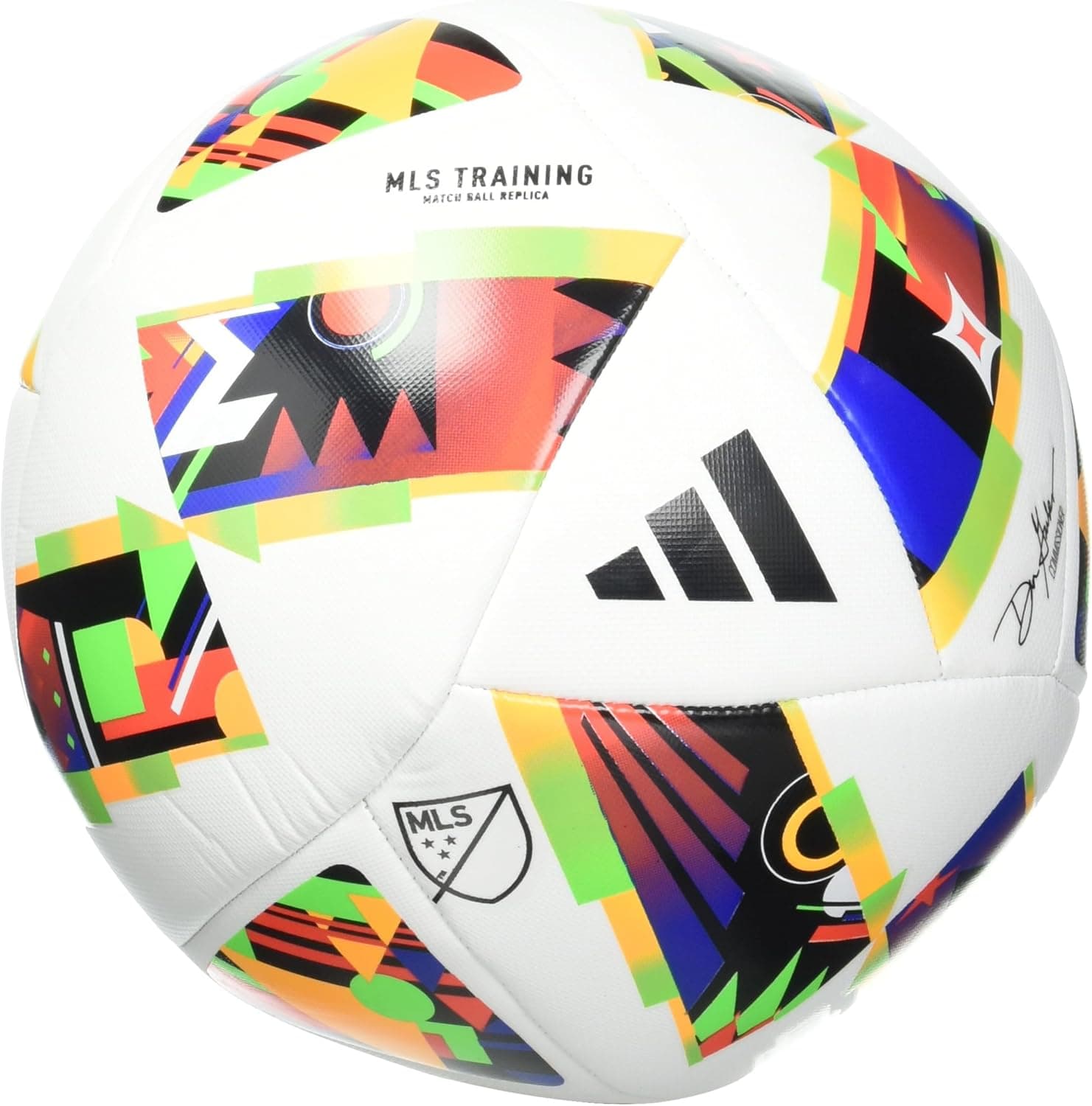
Adidas MLS Training Soccer Ball
View on Amazon →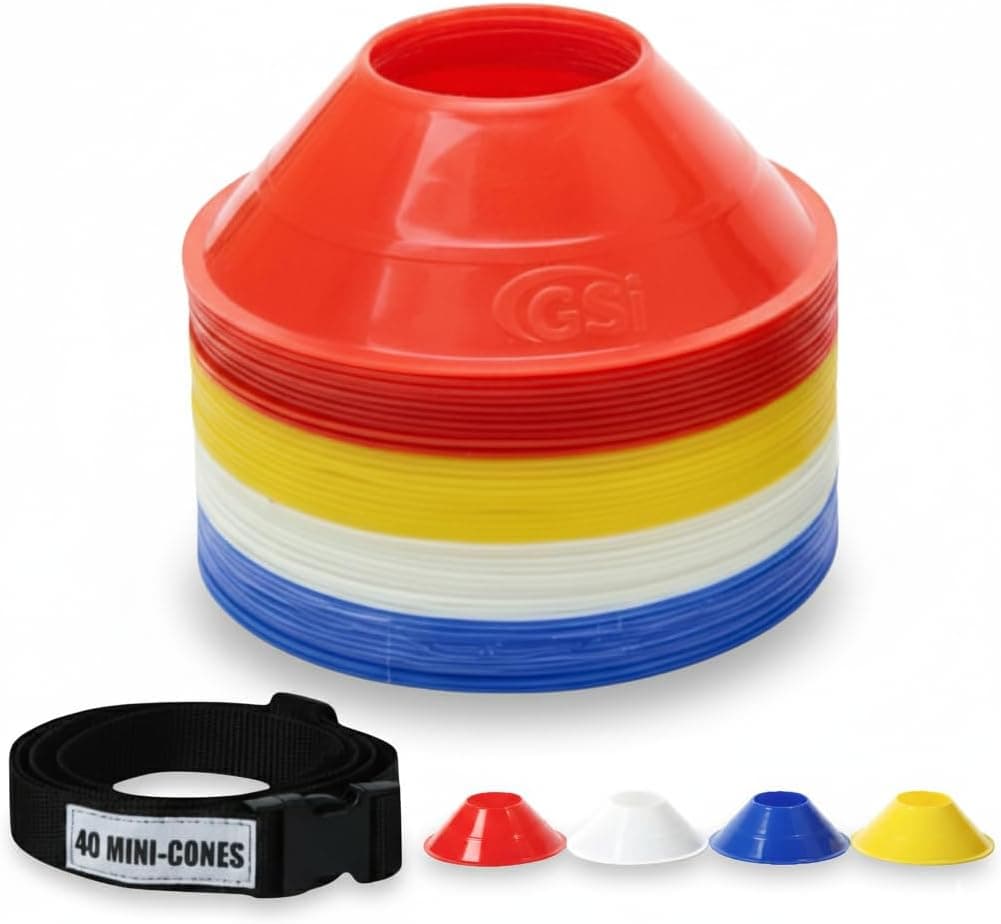
Disc Training Cones (Set of 40)
View on Amazon →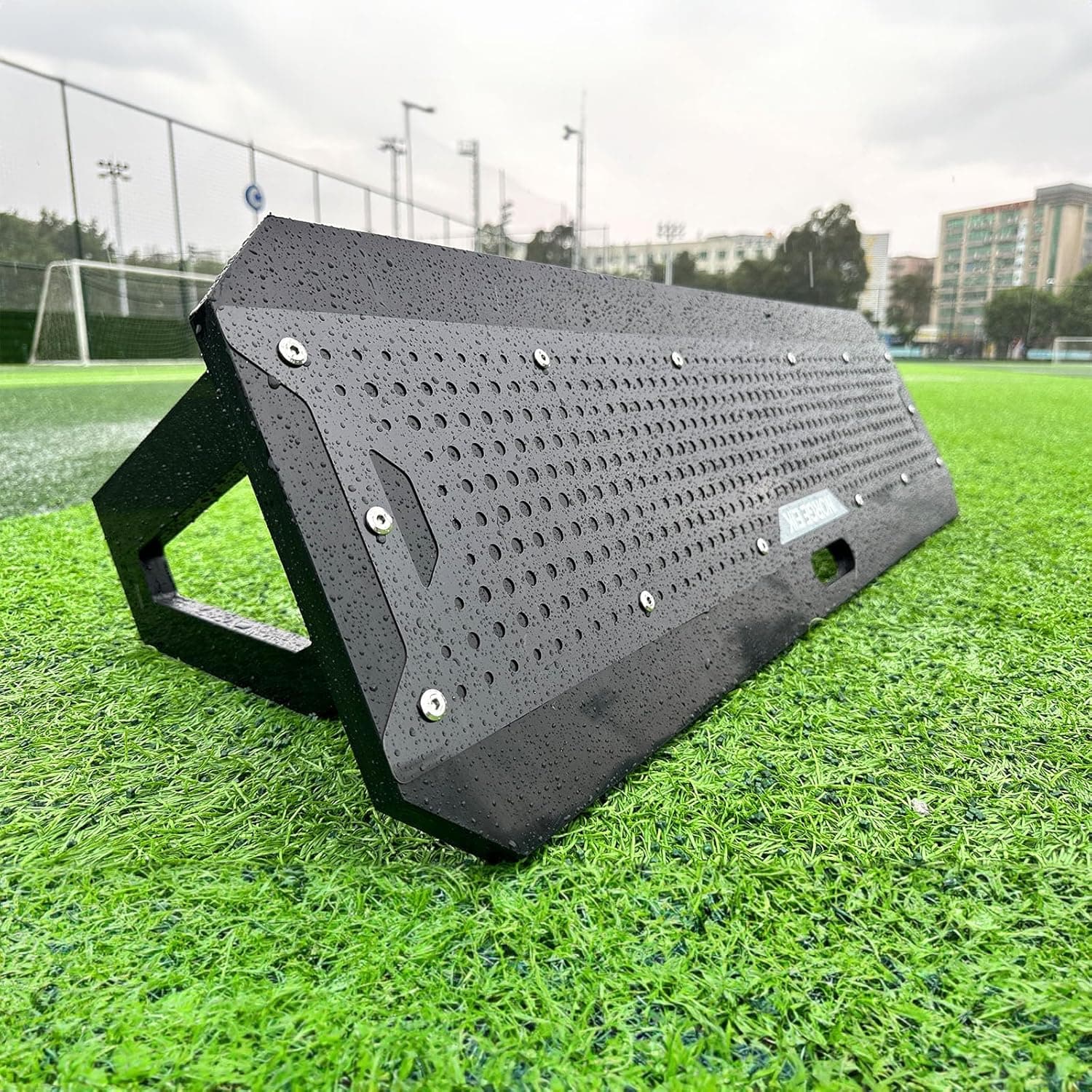
Soccer Rebounder
View on Amazon →As an Amazon Associate we earn from qualifying purchases, at no extra cost to you.