
From the Bench to Starting Lineup in 8 Weeks
January 6, 2026
From the Bench to Starting Lineup in 8 Weeks
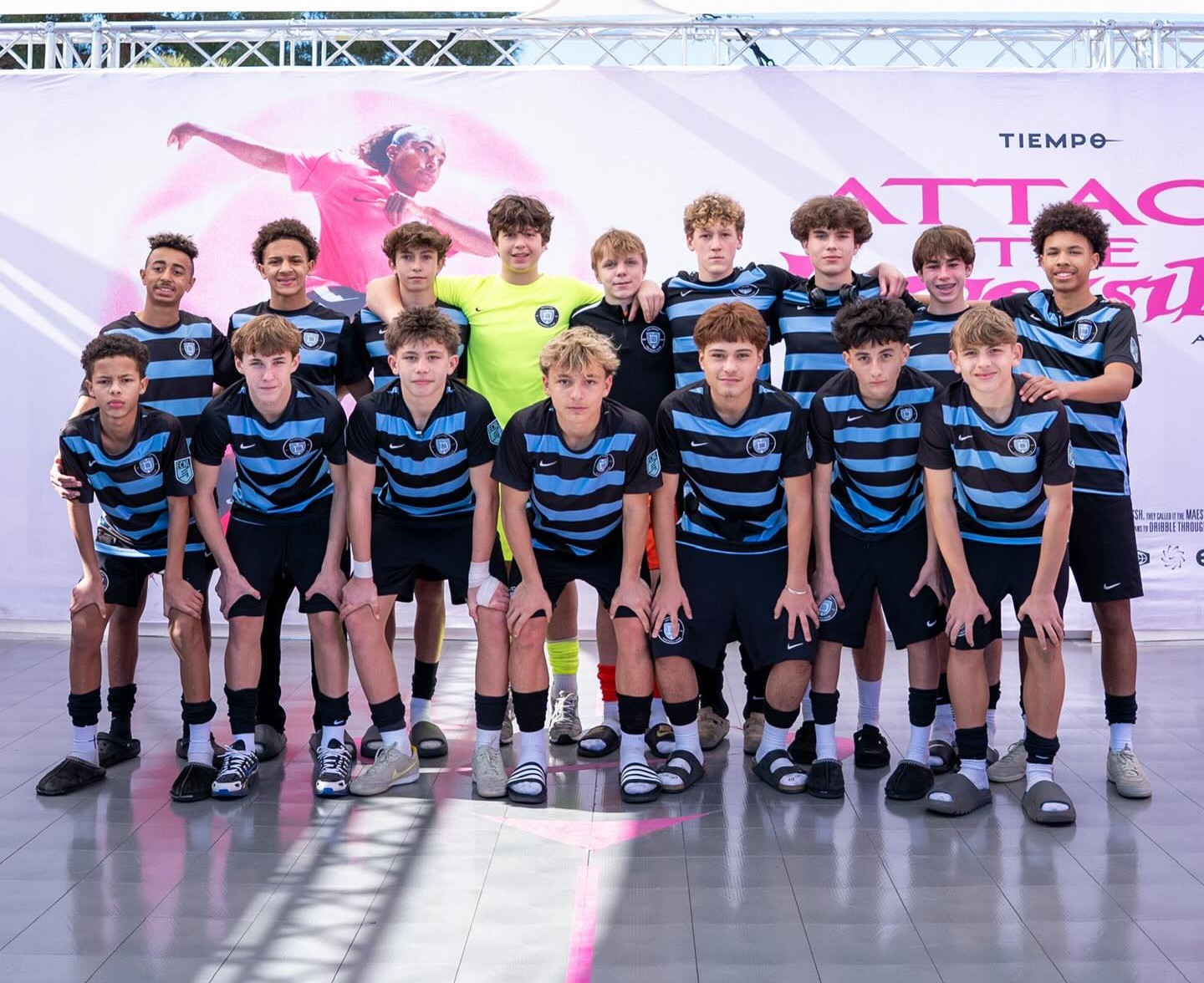
When my son Jake started the fall season sitting on the bench for most of every game, I watched his body language tell the whole story. Slumped shoulders. Eyes fixed on his cleats. That resigned look when the coach called out the starting eleven and his name wasn't on the list. He was twelve years old, and for the first time in his soccer life, he wasn't a starter. It was painful to watch — not because of the playing time itself, but because of what it was doing to his spirit.
Eight weeks later, Jake was in the starting lineup. Not because the coach felt sorry for him, not because another kid got injured, but because he'd earned it through deliberate, focused work that transformed his game. This is the story of what we did and how you can apply the same approach if your child is in a similar situation.
Understanding the Starting Point
Before we made any changes, I needed to understand why Jake wasn't starting. As parents, our instinct is often to blame the coach — and sometimes that's justified — but I wanted to be honest about the situation. So I did something that required swallowing my pride: I asked the coach directly.
I scheduled a quick conversation after practice (not after a game, when emotions are high) and asked a simple question: "What does Jake need to work on to earn more playing time?" The coach was surprisingly specific. He said Jake's first touch was inconsistent, his positioning off the ball was passive, and he lacked the confidence to play under pressure. He emphasized that Jake had great attitude and work rate, but that the technical and tactical gaps were real.
That conversation was invaluable. Instead of a vague sense that Jake "needed to get better," we had a specific roadmap: first touch, off-ball movement, and composure under pressure.
Building the 8-Week Plan
With those three areas identified, I worked with Jake to create a structured home training plan. We committed to five days a week, with sessions lasting 20-30 minutes each. Here's how we broke it down:
Weeks 1-2: First Touch Foundation
We dedicated the first two weeks entirely to first touch. Jake's problem was that when he received the ball, it bounced off his foot and into the path of the nearest defender. He didn't cushion the ball — he blocked it.
Our daily routine looked like this:
- Wall passing (10 minutes): Jake stood about 5-8 feet from our garage wall and passed the ball against it with his right foot, receiving with his left, and vice versa. The key was soft feet — receiving the ball so it stopped within a foot of where he wanted it. We progressed from stationary receives to receiving while moving laterally.
- Tossed ball receiving (5 minutes): I tossed the ball to Jake at various heights, and he had to bring it under control with one touch. Thigh to foot, chest to foot, inside of the foot out of the air. This simulated the kind of unpredictable passes he'd receive in a game.
- Anytime Soccer Training first touch modules (10-15 minutes): We found that the platform had an entire series on receiving and first touch that was perfectly suited to Jake's level. The video-guided sessions gave him specific techniques for cushioning the ball, receiving on the half-turn, and controlling passes that come at different speeds and angles. Having a professional coach demonstrate these on screen was far more effective than me trying to explain it verbally.
By the end of week two, the improvement was noticeable even in practice. Jake's coach commented that his touch seemed "cleaner." That small piece of recognition was rocket fuel for Jake's motivation.
Weeks 3-4: Off-Ball Intelligence
The next two weeks focused on off-ball movement. This was trickier to train at home because positioning is inherently about reading the game in context. But we found effective ways to work on it:
- Video analysis (15 minutes, three times per week): Jake and I watched professional games together, but with a specific lens. Instead of following the ball, we picked one player and watched their movement when they didn't have the ball. Where did they go? When did they check to the ball versus run behind the defense? How did they create space for teammates? We'd pause and discuss. This was surprisingly engaging — Jake started to see patterns he'd never noticed.
- Shadow play in the backyard (10 minutes): I'd describe a scenario — "The ball is on the left wing, you're the central midfielder, the defender is here" — and Jake would physically move to where he should be. We'd walk through five or six scenarios each session. This seems almost too simple, but it built spatial awareness that transferred directly to games.
- Anytime Soccer Training tactical modules: The platform had content on positioning and movement concepts that helped Jake understand principles like "creating passing angles" and "checking away before checking to the ball." Having these concepts explained visually, with animations and real game footage, made the abstract ideas concrete.
Weeks 5-6: Composure Under Pressure
This was the hardest area to train because pressure is fundamentally about mindset as much as skill. Jake would perform well in practice but freeze up when the game got intense. Here's what we did:
- Small-space dribbling with a chaser (10 minutes): We marked out a small square, about 10x10 yards, and I actively tried to win the ball from Jake while he dribbled. The confined space and active pressure forced him to make quick decisions with the ball at his feet. At first, he panicked and just kicked it away. Over time, he learned to shield, turn, and play out of pressure.
- Decision-making drills (10 minutes): I'd set up two small goals and play 1v1 with Jake. Before each round, I'd give him a constraint: "You can only score with your left foot" or "You must beat me with a move before shooting." These constraints forced him to think and execute under pressure rather than just reacting.
- Breathing and mental preparation: We also worked on simple mental skills. Before each practice and game, Jake did a two-minute breathing exercise: four counts in, hold for four, four counts out. We also developed a "reset cue" — when he made a mistake, he'd clap his hands once and refocus. This sounds minor, but for a twelve-year-old, having a physical ritual to manage frustration was powerful.
Weeks 7-8: Integration and Game Application
The final two weeks were about putting it all together. We continued the technical work but shifted the emphasis toward applying skills in game-like scenarios. We also spent time before each game setting one or two specific goals — not outcome goals like "score a goal," but process goals like "take a clean first touch on every ball I receive" or "make three runs off the ball in the first half."
This was where the magic happened. With a specific focus for each game, Jake wasn't overwhelmed by the pressure of trying to impress the coach. He had simple, controllable objectives that kept him engaged and confident.
The Results
By week four, Jake was getting more minutes off the bench. The coach was seeing improvement and rewarding it with opportunities. By week six, he was starting some games. By week eight, he was a regular starter.
But the scoreboard improvement was actually less important than what happened internally. Jake's confidence had completely transformed. He carried himself differently. He talked about soccer with excitement instead of dread. He started asking to watch games on TV so he could study positioning. He was engaged in his own development in a way he'd never been before.
The Real Lesson: Specificity Wins
If there's one takeaway from Jake's story, it's this: targeted, specific training beats generic training every time. We didn't just "practice more." We identified exactly what Jake needed to improve, created a plan to address those specific areas, and executed that plan consistently.
This is where many parents go wrong. When their child isn't getting playing time, the instinct is to do more of everything — more drills, more touches, more practice. But more isn't better if it's not focused. An hour of random dribbling practice won't help a kid whose problem is first touch or off-ball movement.
Practical Framework for Parents
If your child is in a similar situation, here's the framework I'd recommend:
- Step 1: Get specific feedback from the coach. Ask what your child needs to work on. Be open to honest answers. If the coach is vague, ask follow-up questions: "Can you give me a specific example from a recent game?"
- Step 2: Prioritize two or three areas. Don't try to fix everything at once. Pick the two or three most impactful areas and focus on those.
- Step 3: Create a daily training plan. Commit to 20-30 minutes of focused work, five days a week. Use structured resources like Anytime Soccer Training to ensure you're working on the right things in the right way.
- Step 4: Set process goals for games. Give your child specific, controllable objectives for each game that align with what they're working on in training.
- Step 5: Track progress and celebrate wins. Keep a simple log of what you worked on and note improvements, no matter how small. Share these with your child to reinforce their progress.
Jake's journey from the bench to the starting lineup wasn't about talent. It was about targeted effort, consistency, and the right resources. Any child can make this kind of transformation. They just need a plan, support, and the belief that improvement is possible. If you provide those three things, you might be amazed at what happens in eight weeks.
And if you're looking for a structured training platform to support your child's development, I can't recommend Anytime Soccer Training enough. It gave us the professional instruction and age-appropriate progressions that turned our home training from guesswork into a real development program. Jake still uses it daily, and he's now one of the strongest players on his team.
Gear we use for this
The kit our own players train with at home.

Adidas MLS Training Soccer Ball
View on Amazon →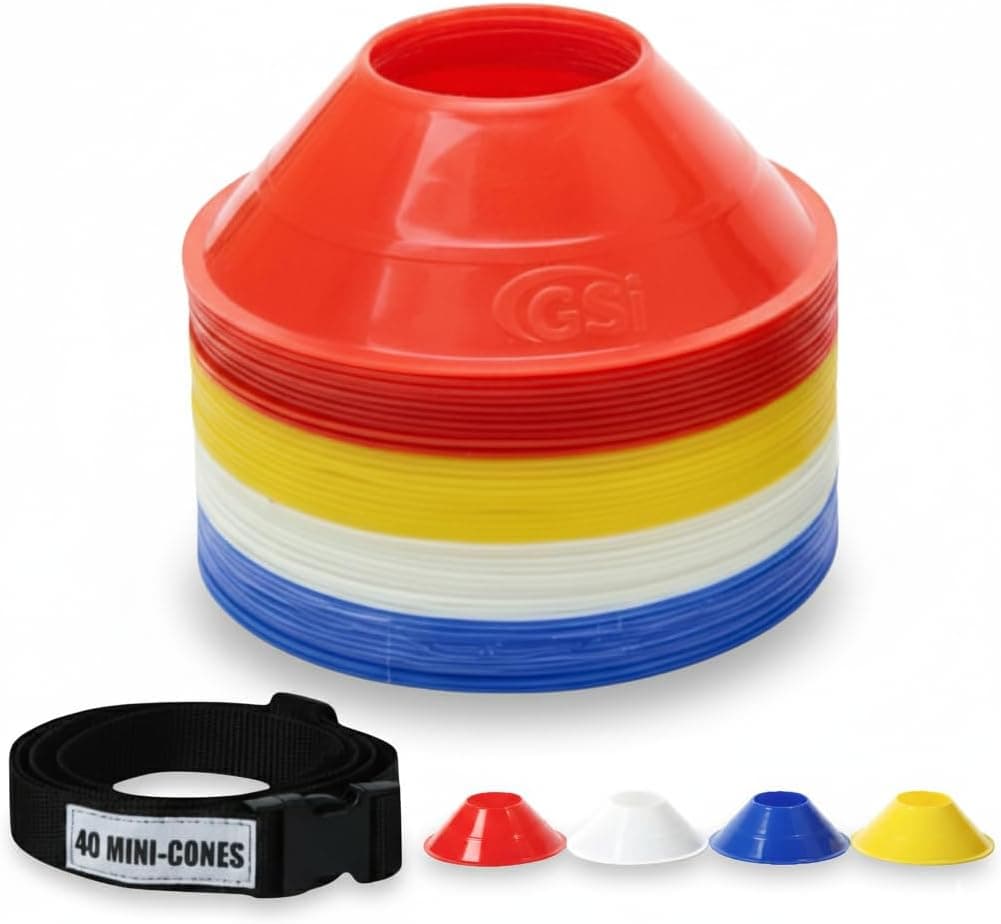
Disc Training Cones (Set of 40)
View on Amazon →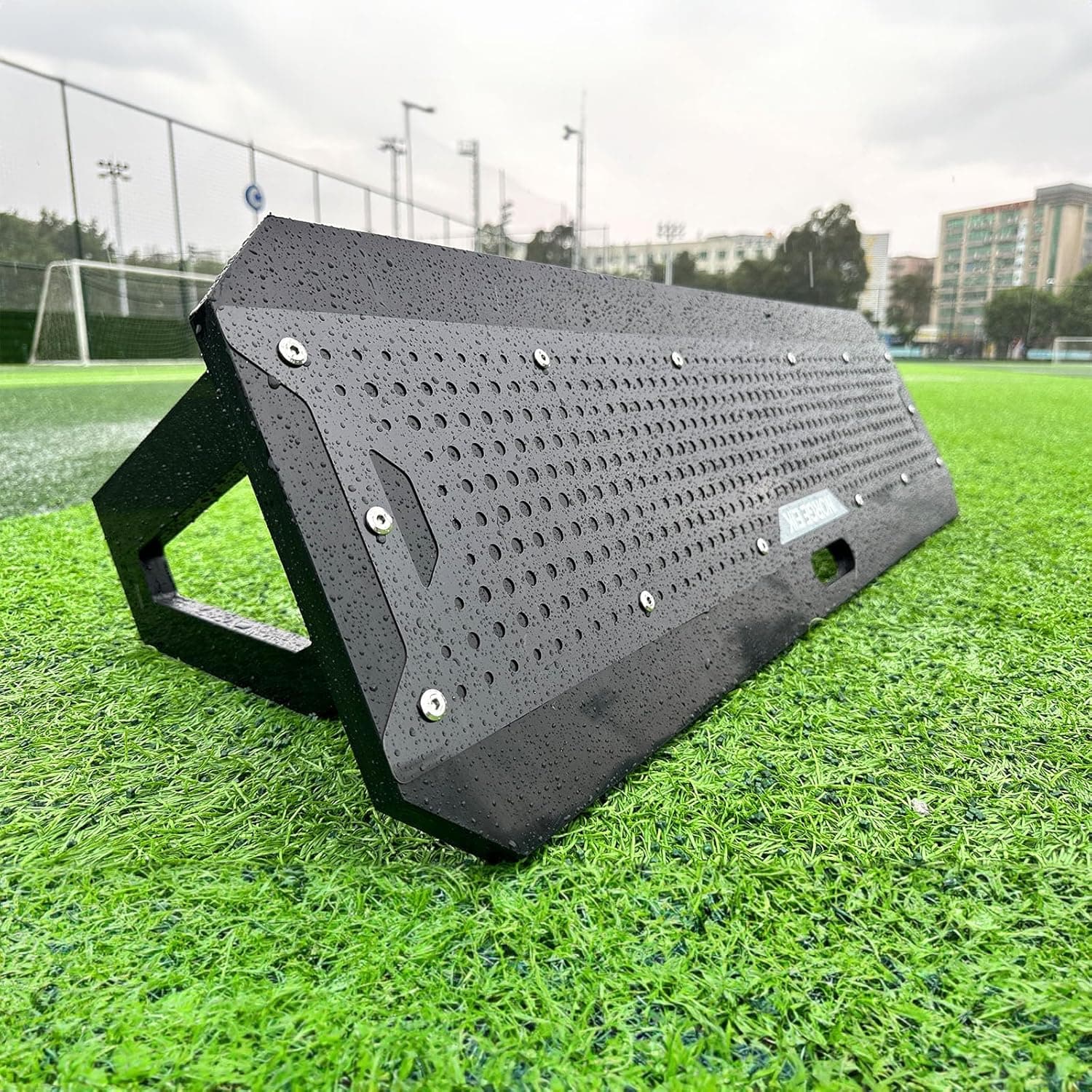
Soccer Rebounder
View on Amazon →As an Amazon Associate we earn from qualifying purchases, at no extra cost to you.