
End-of-Season Success Stories
January 30, 2026
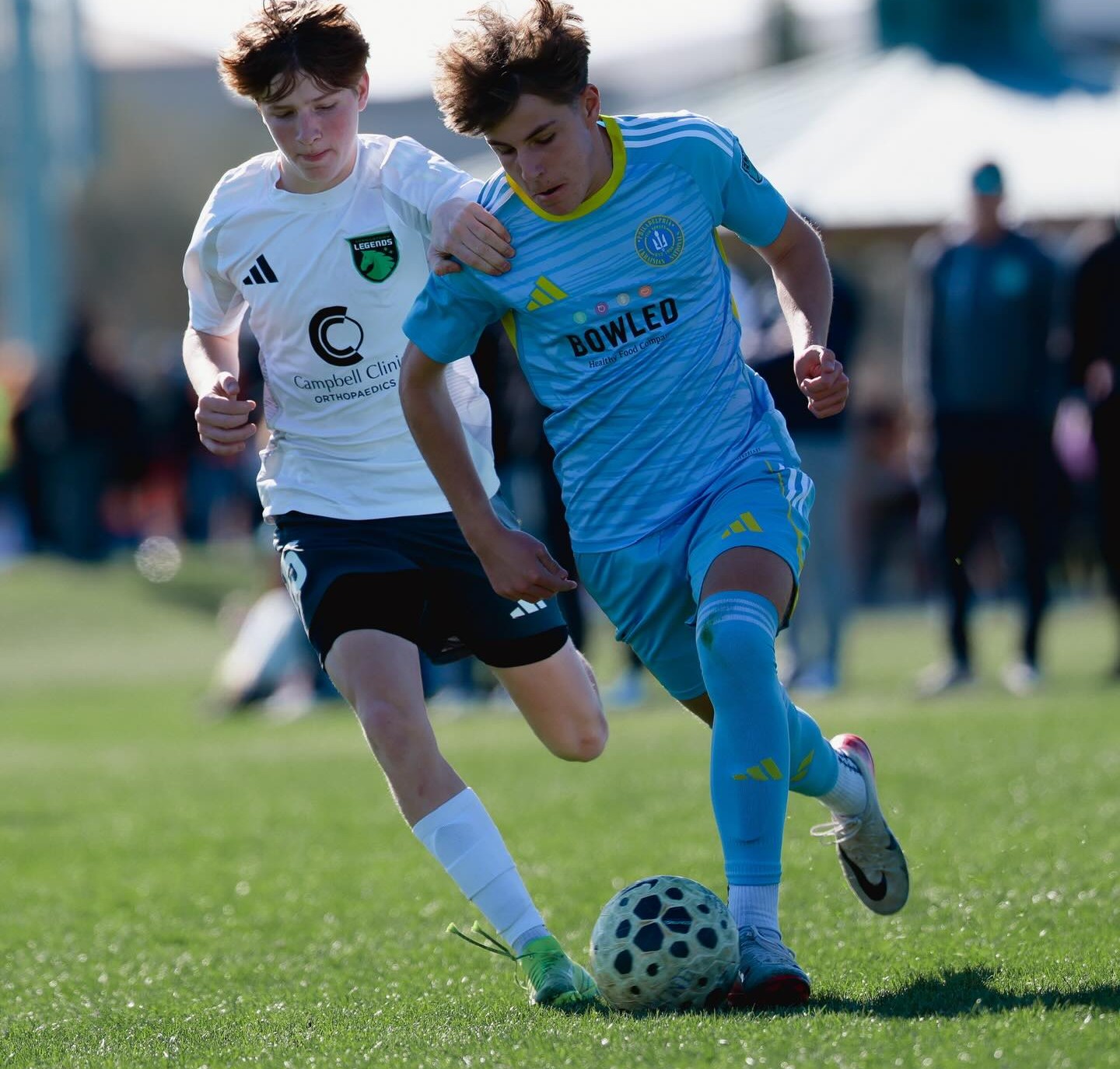
End-of-Season Success Stories: Celebrating the Year
As another soccer season wraps up, it's easy to get caught up in the final standings, the tournament results, and the stats. But the real stories of youth soccer aren't found in the record books. They're found in the quiet moments of growth, the breakthroughs that happened when nobody was watching, and the transformations that took place one training session at a time.
This article is a celebration of those stories. These are real accounts from families in our community who committed to home training this year and saw remarkable results — not just in soccer performance, but in confidence, discipline, and love for the game. Names have been changed for privacy, but the stories are genuine.
Story 1: Marcus, Age 8 — From Afraid of the Ball to Team MVP
When Marcus started the fall season, his mom Sarah described him as "the kid who ran away from the ball." He wanted to play soccer because his friends did, but he was genuinely nervous about the physical contact and the ball coming at him. In games, he'd position himself where the action wasn't, and if the ball came his way unexpectedly, he'd flinch or step aside.
Sarah signed up for Anytime Soccer Training in September, hoping that some at-home practice might help Marcus feel more comfortable. They started with the most basic ball mastery exercises — just getting Marcus used to having the ball at his feet in the safety of their living room.
"The first two weeks, he could barely do toe taps without the ball rolling away," Sarah remembers. "But because it was just him and the ball in our living room, there was no pressure. No one was watching. He could fail and try again without feeling embarrassed."
By October, Marcus was doing 10-minute training sessions daily. By November, he was voluntarily practicing in the backyard. By December, something remarkable happened at a game: Marcus intercepted a pass, dribbled the ball up the field, and scored his first goal. "He ran to the sideline with the biggest smile I've ever seen," Sarah says. "His teammates mobbed him. It was the moment everything changed."
Marcus finished the season as his team's most improved player. His coach gave him a special recognition award at the end-of-season party. But the stat that matters most to Sarah isn't the goals or the award — it's that Marcus now asks to go to practice. "He used to cry before games. Now he counts the days until the next one."
Story 2: Twins Emma and Olivia, Age 11 — Different Goals, Same Training
Emma and Olivia play on the same club team but couldn't be more different as players. Emma is a natural athlete — fast, aggressive, and competitive. Olivia is more technical and cerebral — she reads the game well but lacks Emma's physical tools. Their dad, David, started them both on a daily home training program at the beginning of the year.
"The interesting thing was how differently they used the same training," David explains. "Emma's sessions were all about ball mastery and dribbling. She had the athleticism but needed better touch. Olivia's sessions focused more on first touch under pressure and weak foot development. She had the soccer brain but needed to execute faster."
They used Anytime Soccer Training side by side in the garage, sometimes doing the same session, sometimes choosing different modules based on their individual needs. The consistency was remarkable — they trained together 5-6 days a week for the entire year, with each session lasting about 15 minutes.
"Having them train together was the key," David says. "They kept each other accountable. If one didn't feel like training, the other would say, 'Come on, let's just do it.' And after training, they'd play 1v1, which was the most competitive and fun part of the whole thing."
The results? Emma developed a first touch that matched her athleticism, becoming one of the most complete players on the team. She went from a player who relied purely on speed to one who could also control and create in tight spaces. Olivia developed the confidence and foot speed to execute what her brain was telling her to do. Her weak foot improved dramatically, and she became the team's primary playmaker.
"They're different players with different strengths," David notes, "but the daily training elevated both of them. The platform worked because it met each kid where they were."
Story 3: Ryan, Age 13 — Surviving the Cut
Ryan had been on the same club team since age nine. When the club restructured ahead of the new season, players had to re-tryout, and several would be moved to a lower team. Ryan's mom, Jennifer, was worried. "He'd been with these kids for four years. The thought of being separated from his teammates was devastating to him."
Three months before tryouts, Jennifer and Ryan created a daily training plan. They used Anytime Soccer Training for technical work and added a fitness component that included running and agility work. Ryan trained every day, usually for 20-25 minutes before dinner.
"The transformation was gradual but undeniable," Jennifer says. "By the second month, his touch was noticeably better. His confidence was growing. He was arriving at team practice and performing at a higher level than before. His coach commented on the improvement multiple times."
When tryout day came, Ryan was nervous but prepared. He made the top team. Several of his teammates who hadn't done extra work were moved down. "He was heartbroken for his friends," Jennifer says, "but proud of himself for putting in the work. That experience taught him that preparation matters. It's a lesson he applies to school now too."
Story 4: Aisha, Age 9 — Finding Her Confidence
Aisha was a talented player who didn't believe she was talented. Despite having good skills for her age, she played tentatively, always deferring to more assertive teammates. Her parents noticed that in pickup games with her older brother, she played fearlessly — dribbling, shooting, taking risks. But in organized games, she shrank.
"The issue wasn't skill," her dad Ahmed explains. "It was confidence. She needed to build up enough belief in herself that the pressure of a game wouldn't shut her down."
Ahmed started doing daily training sessions with Aisha using Anytime Soccer Training. But he added something extra: after every session, they would discuss one thing she did well. Not something to improve — something she was already good at. "Your left-footed pass was really accurate today." "Your Cruyff turn is getting really smooth." "You juggled 15 times — that's a new record!"
Over months, this steady diet of competence recognition started to shift Aisha's self-perception. She began to see herself as a capable player. The home training was building skill, yes, but more importantly, it was building evidence that she was good at this sport.
"The breakthrough game was in March," Ahmed remembers. "She received the ball at midfield, dribbled past two defenders, and played a through ball that led to a goal. It was the kind of play she'd been making in the backyard for months but had never tried in a game. Afterward, she said, 'Dad, I felt like I was just playing in our backyard.' That's when I knew the training had worked — not because it made her a better player, but because it made her a braver one."
Story 5: The Garcia Family — Making Soccer a Family Activity
The Garcia family has three kids who play soccer at different levels — ages 7, 10, and 13. Rather than managing three separate training schedules, they turned home training into a family activity. Every evening after dinner, the whole family — including mom and dad — spends 20 minutes in the backyard with soccer balls.
"It started as a way to manage the logistics," explains mom Maria. "But it became the best part of our day. The kids do their Anytime Soccer Training sessions simultaneously — each on their own tablet at their own level — and then we all play together. Sometimes it's a family game, sometimes it's challenges, sometimes the kids coach us parents, which they absolutely love."
The results have been impressive across all three kids. The seven-year-old went from struggling with basic ball control to confidently dribbling in games. The ten-year-old made a more competitive team at tryouts. The thirteen-year-old earned a starting position on her high school JV team as an eighth grader.
"But honestly," Maria says, "the results I care most about have nothing to do with soccer. It's the family time. We're all together, we're active, we're laughing, and we're building memories. Soccer is just the vehicle."
The Common Threads
Looking across these stories, several themes emerge:
- Consistency was the difference-maker. Every family committed to regular, short daily sessions rather than occasional long ones. The compound effect of daily practice is real and powerful.
- Structure provided direction. None of these families were winging it. They all used Anytime Soccer Training to provide age-appropriate, professionally designed sessions that ensured their training time was well-spent.
- Parents supported without coaching. In every story, the parent's role was to facilitate, encourage, and participate — not to instruct. The training platform provided the coaching; the parents provided the environment.
- Confidence grew alongside skill. Technical improvement and confidence are intertwined. As players got better, they felt better about themselves. And as they felt better, they played better. It's a virtuous cycle that daily training initiates and sustains.
- The journey mattered more than the destination. Yes, these kids improved their soccer skills. But the deeper wins — resilience, discipline, family connection, self-belief — are the ones that will last long after this season's standings are forgotten.
Your Story Starts Today
Every family featured in this article started in the same place: with a decision to commit to daily training and a tool to make it happen. None of these transformations required expensive personal coaching, elite camps, or exceptional talent. They required consistency, the right structure, and a supportive home environment.
If you're reading this at the end of a season and wishing your child's year had gone differently, the next season starts now. Not with a New Year's resolution or a vague commitment to "practice more" — with a specific, daily plan that you and your child can follow together.
What will your family's success story be? The answer is in the training sessions you start today.
Gear we use for this
The kit our own players train with at home.

Adidas MLS Training Soccer Ball
View on Amazon →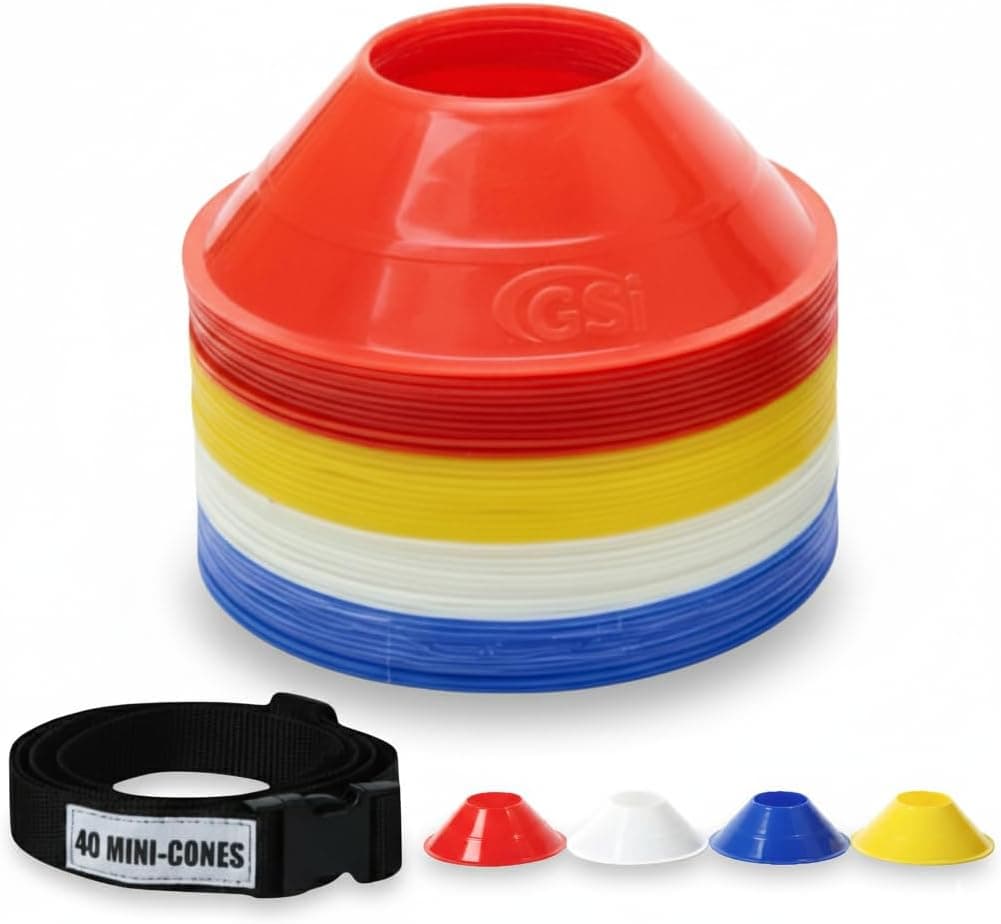
Disc Training Cones (Set of 40)
View on Amazon →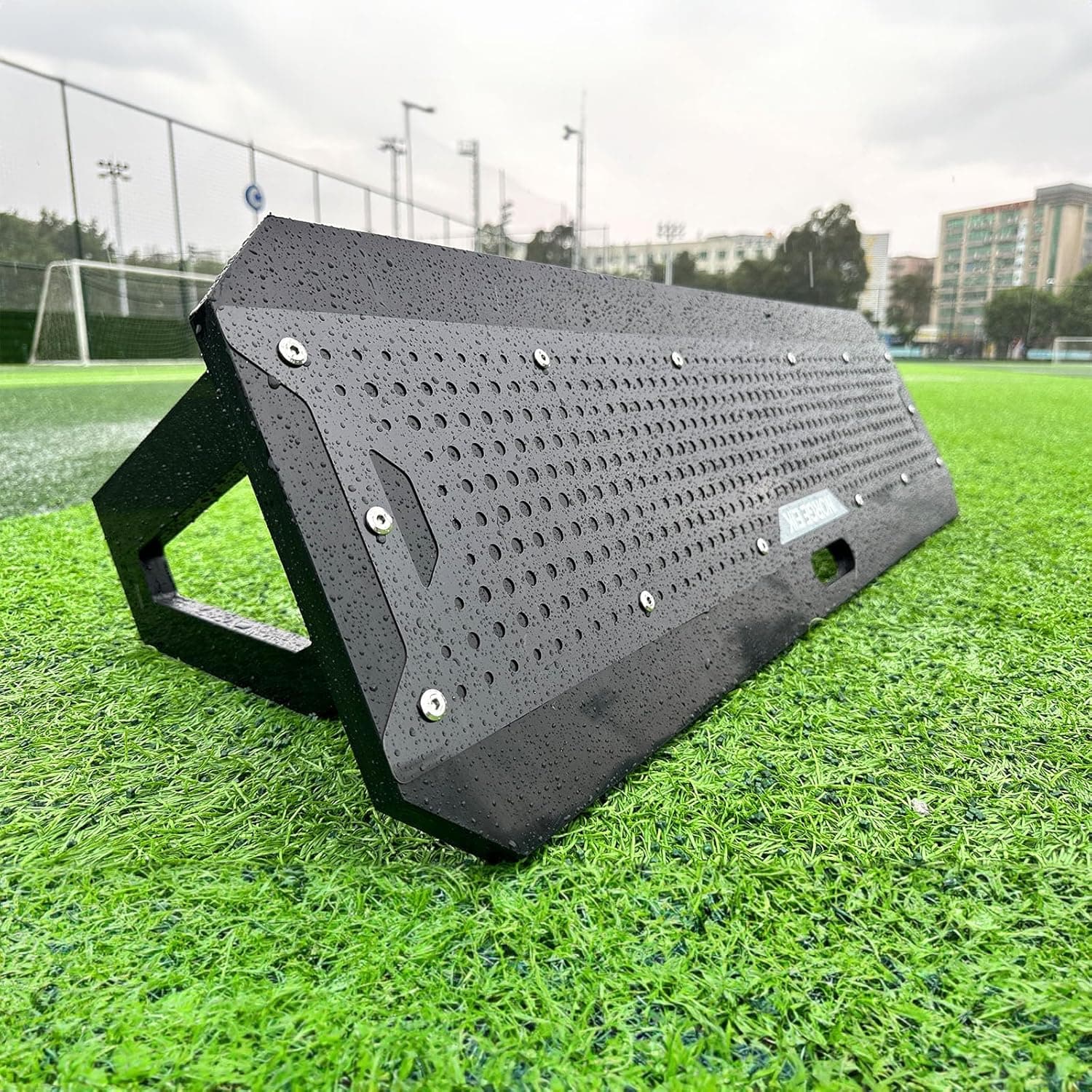
Soccer Rebounder
View on Amazon →As an Amazon Associate we earn from qualifying purchases, at no extra cost to you.