
A Weekly Drill Plan for Parents: Dribbling, Passing, Shooting
December 9, 2025
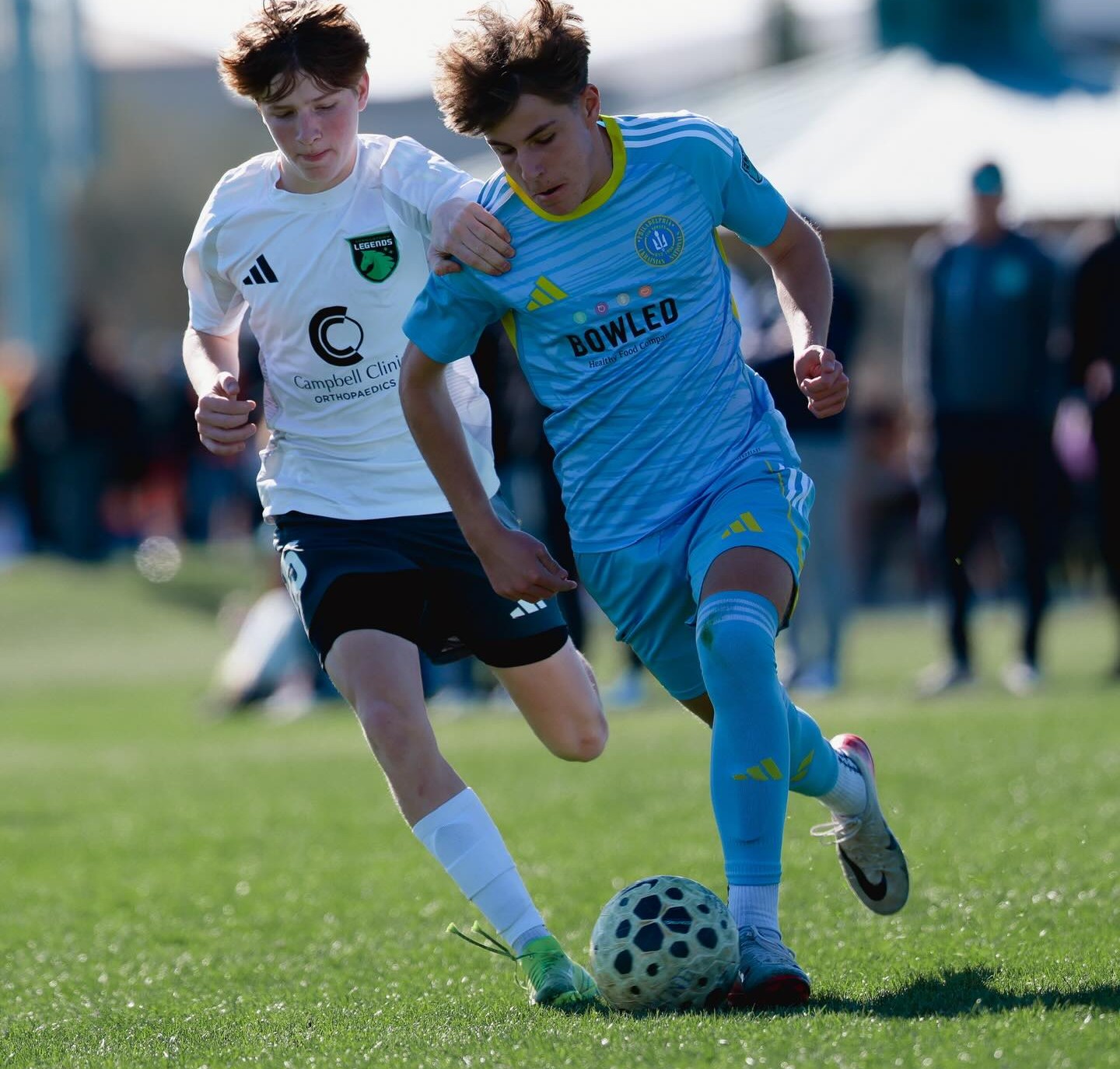
The hardest part of training at home is not the drills. It is deciding what to do, every single day, without repeating yourself into boredom.
This is a week that solves that. Four days, fifteen minutes each, with one skill per day and a fixed shape to every session so nobody has to think.
The shape of every session
The same four blocks every day, whatever the skill. Once a family knows the shape, the only thing that changes is the content.
The finisher is not optional. It is the reason a seven-year-old comes back tomorrow.
| Block | Minutes | Purpose |
|---|---|---|
| Warm-up | 3 | Touches on the ball, no instruction |
| Main activity | 5 | The skill of the day, done properly |
| Progression | 4 | The same skill, harder or faster |
| Finisher | 3 | A game or a score to beat |
Day 1 — Dribbling
1. Main: figure 8
Two cones, five yards apart, loops around both crossing the middle.
- How to set it up: Two cones.
- How long: 5 minutes.
- What good looks like: A true 8, touches under a stride.
- The usual mistake: A wide circle instead of an 8.
2. Progression: outside foot only
The same loop, outside of the boot only, which forces the hips open.
- How to set it up: Same cones.
- How long: 4 minutes.
- What good looks like: No inside-foot rescue touches.
- The usual mistake: Slipping back to the inside foot at the turn.
3. Finisher: 60-second count
How many complete loops in a minute. Write it on the fridge.
- How to set it up: Same cones, a timer.
- How long: 1 round.
- What good looks like: The number goes up week to week.
- The usual mistake: Chasing the number by abandoning control.
Day 2 — Passing
1. Main: wall passing
Pass against a wall and control the return with one touch, setting up the next pass.
- How to set it up: Any wall, six yards back.
- How long: 5 minutes, both feet.
- What good looks like: The first touch sets the ball a stride in front.
- The usual mistake: Killing it dead under the foot.
2. Progression: one-touch returns
No control touch at all. Straight back off the wall.
- How to set it up: Same wall, closer if needed.
- How long: 4 minutes.
- What good looks like: Accuracy holds without a control touch.
- The usual mistake: Hitting it harder to compensate for poor contact.
3. Finisher: target hits
Chalk or tape a target on the wall. How many hits in ninety seconds.
- How to set it up: Chalk, tape or a bin.
- How long: 1 round.
- What good looks like: A score to beat next week.
- The usual mistake: Standing too close to make it easy.
Day 3 — Shooting
1. Main: set-touch finishing
One touch to set the ball, one to strike. The setting touch is the drill.
- How to set it up: A goal, wall or two cones.
- How long: 5 minutes, alternating feet.
- What good looks like: The set touch is the same every time.
- The usual mistake: Rushing the strike and hitting a moving ball badly.
2. Progression: dribble into a finish
Four cones then a shot, so the finish arrives out of movement.
- How to set it up: Four cones and a target.
- How long: 4 minutes.
- What good looks like: The last touch before the shot needs no rescue.
- The usual mistake: Sprinting the dribble to get to the shot.
3. Finisher: corners game
Points for hitting the corners of the goal, none for the middle.
- How to set it up: Two cones in the corners of the goal.
- How long: 10 shots.
- What good looks like: Placement chosen before the strike.
- The usual mistake: Power over placement.
Day 4 — Everything together
One session a week where the three are joined: dribble through cones, pass off a wall, receive, dribble again and finish. This is the day the skills stop being separate.
- Dribble four cones
- Wall pass and receive with one touch
- Dribble two more cones
- Finish into the corner
- Ten reps, alternating which foot finishes
Making it survive past week three
- Same days each week. Decide them once. Tuesday, Wednesday, Friday, Sunday works for most families.
- Fifteen minutes, not thirty. A short session that happens beats a long one that gets postponed.
- Write the finisher scores down. Progress a child can see is what keeps them going.
- Say very little. Notice one thing per session and name it. That is the whole job.
Train it, do not just read about it.
Every drill on this page is a follow-along video inside Anytime Soccer Training. Your player presses play, copies what they see, and the app keeps track of what they have done.
Gear we use for this
The kit our own players train with at home.
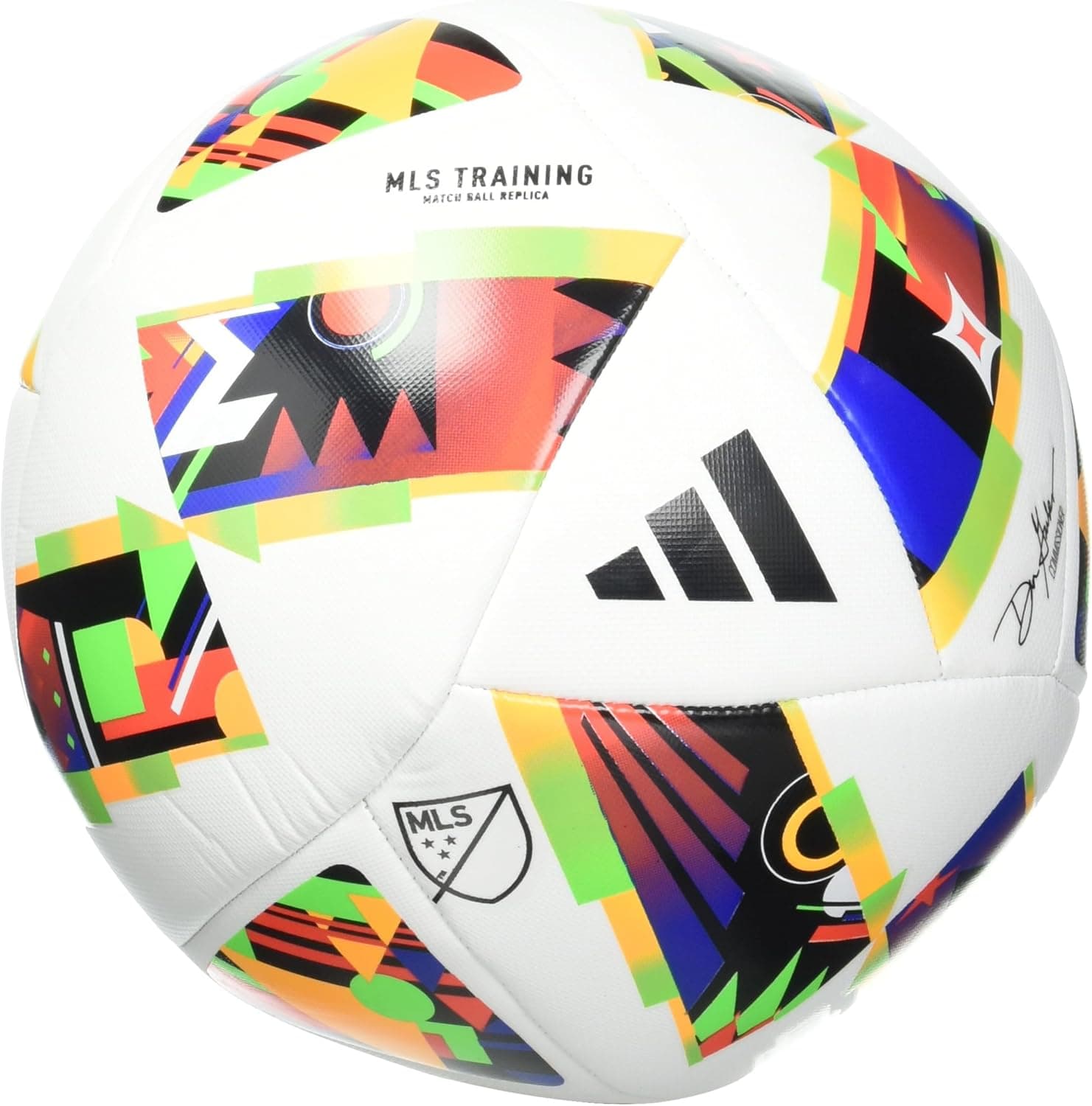
Adidas MLS Training Soccer Ball
View on Amazon →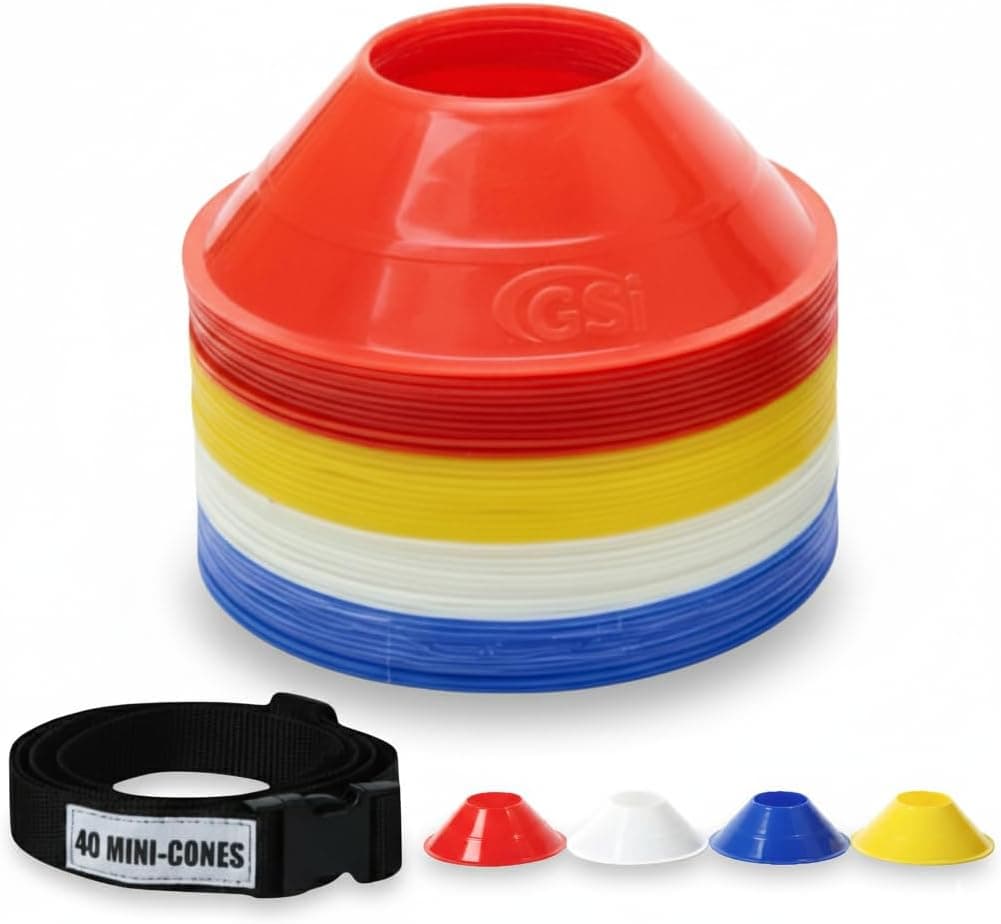
Disc Training Cones (Set of 40)
View on Amazon →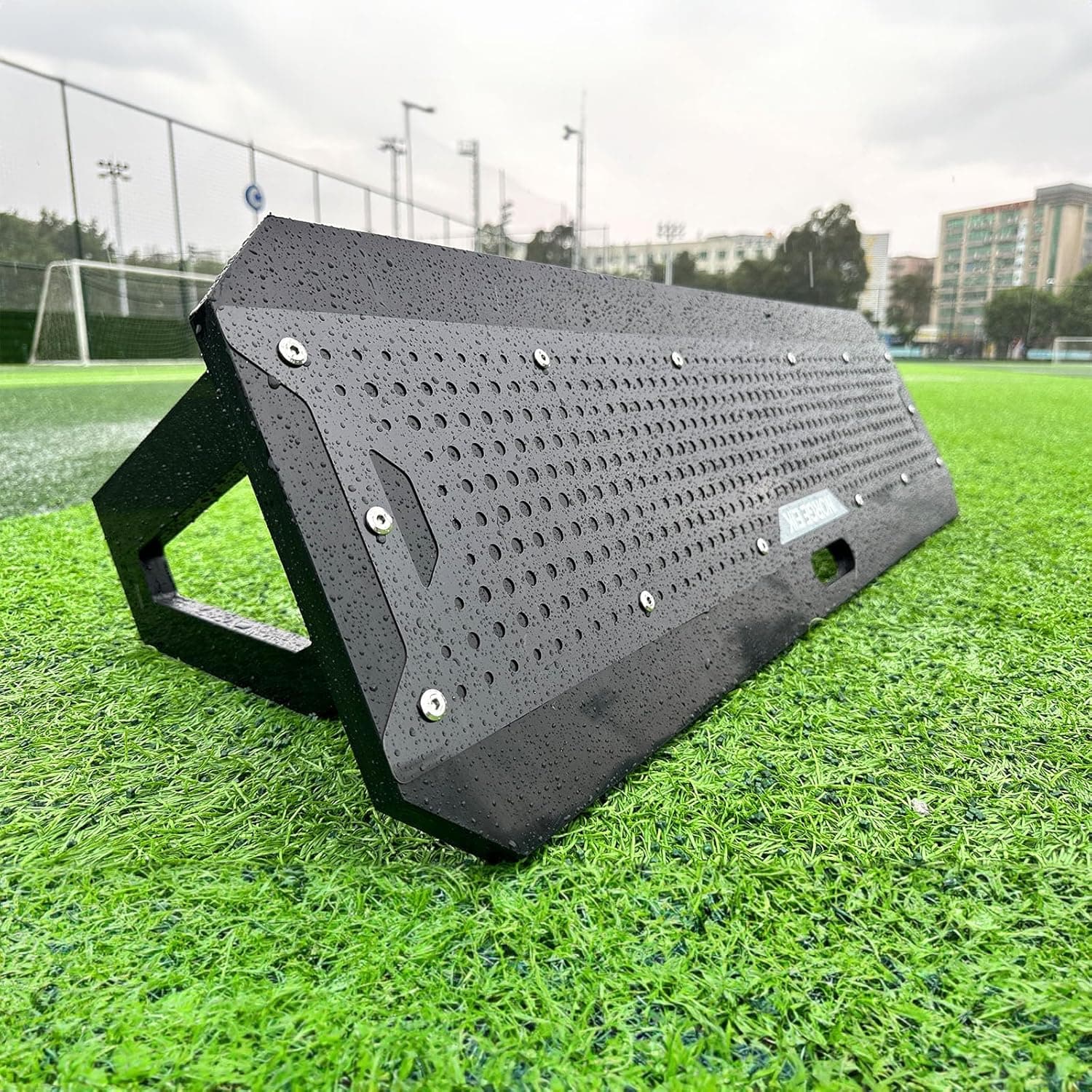
Soccer Rebounder
View on Amazon →As an Amazon Associate we earn from qualifying purchases, at no extra cost to you.