
Club Soccer vs Rec Soccer Which Is Right for Your Child
January 8, 2026

Club Soccer vs Rec Soccer: Which Is Right for Your Child?
One of the most common questions I hear from soccer parents is whether their child should play recreational (rec) soccer or join a competitive club team. It's a decision that can feel overwhelming, especially when you're bombarded with opinions from other parents, coaches, and the internet. Some will tell you that if your child isn't in club soccer by age eight, they'll fall behind forever. Others will insist that club soccer is an overpriced racket that steals childhood. The truth, as with most things in parenting, is somewhere in between.
Having navigated this decision with two kids who took very different paths, I want to give you a comprehensive, honest framework for thinking through this choice. No judgment, no agenda — just the information you need to make the right call for your family.
What Is Rec Soccer?
Recreational soccer is community-based soccer organized through local parks and recreation departments, YMCAs, or community leagues. Here are its typical characteristics:
- Open enrollment: Everyone who signs up makes a team. There are no tryouts and no cuts.
- Cost: Usually $50-$200 per season, including a uniform.
- Practice schedule: Typically one practice per week plus one game on weekends.
- Season length: Usually 8-12 weeks, often fall and/or spring.
- Coaching: Volunteer parent coaches with varying levels of soccer knowledge.
- Travel: Games are local, usually within a 15-20 minute drive.
- Competitiveness: Emphasis on participation, fun, and basic skill development. Every child gets roughly equal playing time.
What Is Club Soccer?
Club soccer (sometimes called travel soccer or competitive soccer) is organized through soccer clubs that typically require tryouts. Here's what it usually looks like:
- Tryout-based: Players must try out, and spots are limited. Some kids will be cut.
- Cost: Ranges widely, but $1,000-$5,000+ per year is common when you include registration, uniforms, travel, and tournament fees.
- Practice schedule: Two to four practices per week, often 90 minutes each, plus games on weekends.
- Season length: Often year-round or 9-10 months.
- Coaching: Licensed coaches with soccer-specific training and experience.
- Travel: Games may be across your region or even out of state for tournaments.
- Competitiveness: Higher level of competition. Playing time is generally merit-based and not guaranteed.
The Case for Rec Soccer
Rec soccer gets a bad rap in competitive soccer circles, but it has genuine strengths that shouldn't be dismissed:
- Low pressure environment: For kids who are just discovering the sport, rec soccer provides a safe, low-stakes environment where they can learn the basics without performance anxiety. The emphasis on participation means every child gets time on the field.
- Affordability: The cost difference between rec and club is significant. For many families, $3,000+ per year for club soccer simply isn't feasible. Rec soccer makes the sport accessible to everyone.
- Schedule flexibility: With one practice and one game per week, rec soccer leaves plenty of time for other activities, sports, family time, and just being a kid. This is especially valuable for younger children (under 10) who benefit from diverse physical experiences.
- Social development: Playing with neighborhood friends in a relaxed setting helps kids develop social skills and build community connections. The friendships formed in rec soccer are often more organic and less pressured than those in competitive environments.
- Multi-sport participation: The seasonal nature and lighter schedule of rec soccer makes it easy for kids to play other sports. Research strongly supports multi-sport participation for children under 12, as it develops a broader range of athletic skills and reduces overuse injuries.
The Case for Club Soccer
Club soccer also has legitimate advantages that matter for certain kids and families:
- Higher quality coaching: Licensed coaches with soccer-specific training provide better technical instruction, tactical education, and player development. This is the single biggest differentiator between rec and club.
- Competitive environment: Playing against better competition pushes players to improve faster. Kids who are significantly more skilled than their rec teammates may not be challenged enough in a recreational setting.
- More training time: The increased practice schedule means more touches on the ball and more opportunities for guided development. For kids who are passionate about soccer and want to improve, more structured training time accelerates growth.
- Pathway to higher levels: For kids who aspire to play high school, college, or beyond, club soccer provides the competitive exposure and development environment that scouts and college coaches look at.
- Team chemistry and commitment: Playing with the same group year-round builds deeper tactical understanding and team cohesion. Players learn to read each other's movements and develop more sophisticated game play.
The Decision Framework: Seven Questions to Ask
Rather than giving you a blanket recommendation, here are seven questions that will help you determine the right fit for your child:
- 1. How old is your child? For children under 8, rec soccer is almost always the right choice. The developmental benefits of low-pressure, play-based learning outweigh the advantages of competitive coaching at this age. Between 8 and 10 is often when families start considering club soccer. Over 10, the decision depends more on the individual child's interest and ability.
- 2. What does your child want? This is the most important question, and it's shocking how often parents skip it. Does your child want to play more competitive soccer? Are they frustrated by the level of play in rec? Or are they happy playing with their friends on Saturday mornings? The child's desire should be the primary driver of this decision.
- 3. Is your child ready for the time commitment? Club soccer typically means 3-4 days per week, plus weekend games and occasional tournaments. For some kids, that's exciting. For others, it's overwhelming, especially if they're also interested in other sports or activities.
- 4. Can your family handle the financial and logistical commitment? Be honest about the budget impact and the time required for driving to practices, games, and tournaments. Club soccer is a family commitment, not just a child's activity.
- 5. Is there a quality club in your area? Not all clubs are equal. A bad club soccer experience can be worse than a good rec soccer experience. Research local clubs, talk to families already in the program, and evaluate the coaching staff before committing.
- 6. How does your child handle competition and pressure? Some kids thrive in competitive environments. Others wilt under the pressure of tryouts, merit-based playing time, and heightened expectations. Know your child's temperament.
- 7. What are your long-term goals? If the goal is for your child to enjoy soccer as a healthy, social activity, rec soccer may serve that purpose perfectly throughout childhood. If your child has aspirations for higher-level play, club soccer provides a more direct pathway.
The Middle Path: Supplementing Rec with Home Training
Here's something many parents don't consider: the choice between rec and club isn't as binary as it seems. One of the most effective approaches I've seen is keeping a child in rec soccer while supplementing with structured home training.
The main advantage of club soccer is the quality and quantity of coaching. But in today's world, you can access high-quality instruction at home through platforms like Anytime Soccer Training. A child in rec soccer who does 15-20 minutes of structured training at home five days a week will often develop faster than a child in club soccer who only trains during team sessions.
This approach gives you the best of both worlds: the low-pressure, flexible, affordable environment of rec soccer combined with the quality instruction and skill development that used to be exclusive to club programs. Your child gets the social benefits of rec soccer while still making significant technical progress.
I know several families who took this approach and later moved to club soccer when their child was older, more mature, and more committed. Their kids transitioned smoothly because they'd built a strong technical foundation through consistent home training.
Red Flags to Watch For in Either Setting
Regardless of which path you choose, watch out for these warning signs:
- In rec soccer: If your child is consistently unchallenged, scoring most of the goals, and not learning new skills, they may have outgrown the rec level. Staying too long in an environment that doesn't challenge them can lead to bad habits and boredom.
- In club soccer: If your child is consistently stressed, dreading practice, or showing signs of burnout (loss of appetite, sleep issues, moodiness around soccer), the environment may be too intense. No development benefit is worth sacrificing your child's mental health and love for the game.
My Family's Experience
My older daughter stayed in rec soccer until age 10 and then moved to club. She's now 14 and plays at a high competitive level. The late start didn't hurt her at all — in fact, I think the extra years of multi-sport participation and low-pressure play made her a better, more resilient athlete.
My younger son is 9 and still in rec soccer. He loves it. He plays with his school friends, has a great time at games, and is developing nicely. We supplement with Anytime Soccer Training at home, and his skills are progressing wonderfully without the pressure and expense of club. He may move to club eventually, or he may not. Either way, he's having a great soccer experience right now, and that's what matters most.
The Bottom Line
There is no universally right answer to the rec vs. club question. The right choice depends on your child's age, personality, goals, and your family's circumstances. What matters most is that your child is playing soccer in an environment that nurtures their love for the game while providing appropriate challenge and development.
Don't let anyone pressure you into club soccer before your child is ready. Don't keep your child in rec soccer if they're genuinely craving more competition and challenge. Listen to your child, evaluate your options honestly, and remember that the goal isn't to optimize their soccer career at age eight — it's to help them develop a lifelong love of the sport.
And whatever path you choose, remember that the most impactful development happens at home. Whether your child plays rec or club, platforms like Anytime Soccer Training can provide the structured, professional instruction that turns regular practice into real progress. The level your child plays at matters less than how they train between games.
Gear we use for this
The kit our own players train with at home.
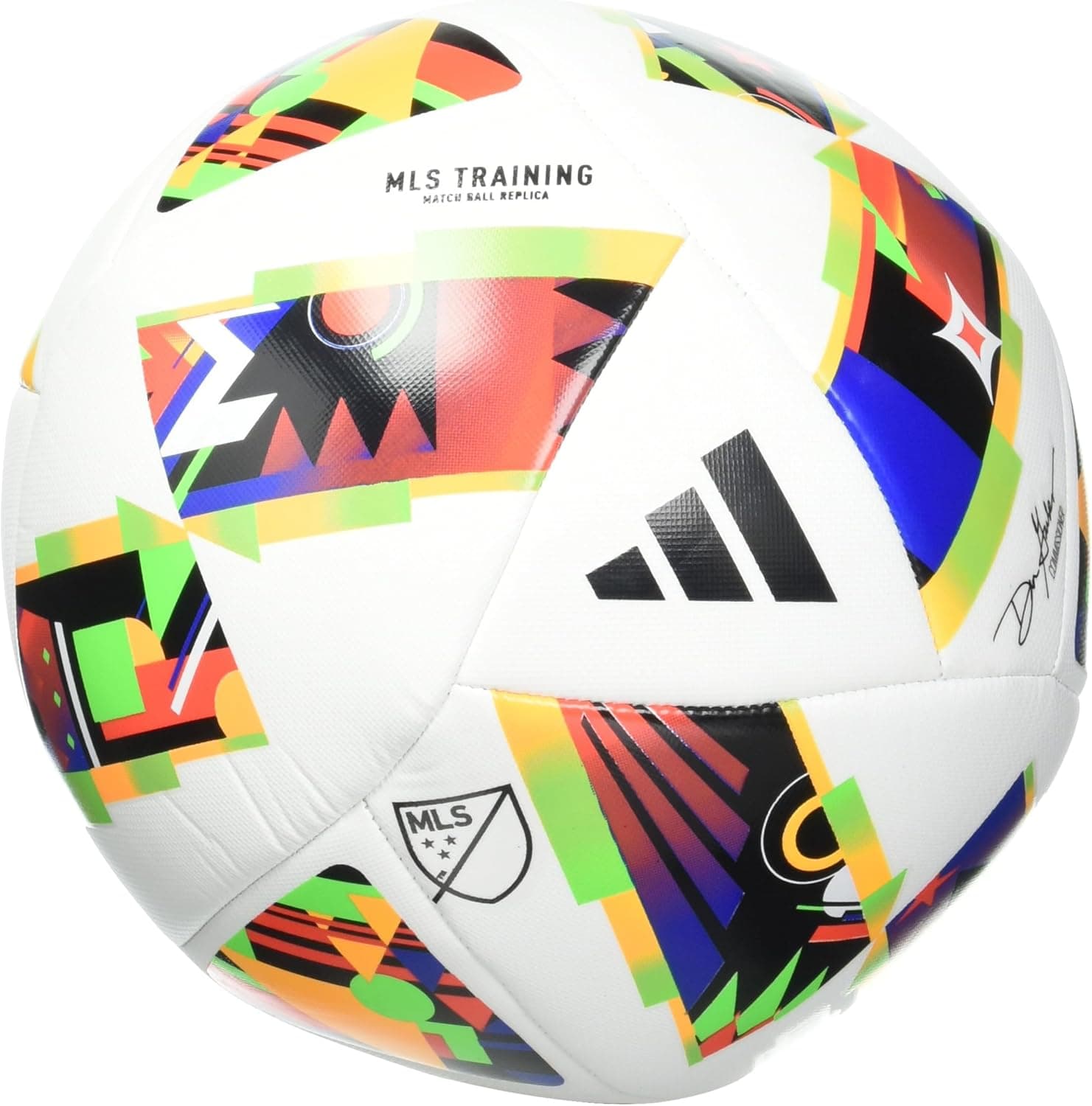
Adidas MLS Training Soccer Ball
View on Amazon →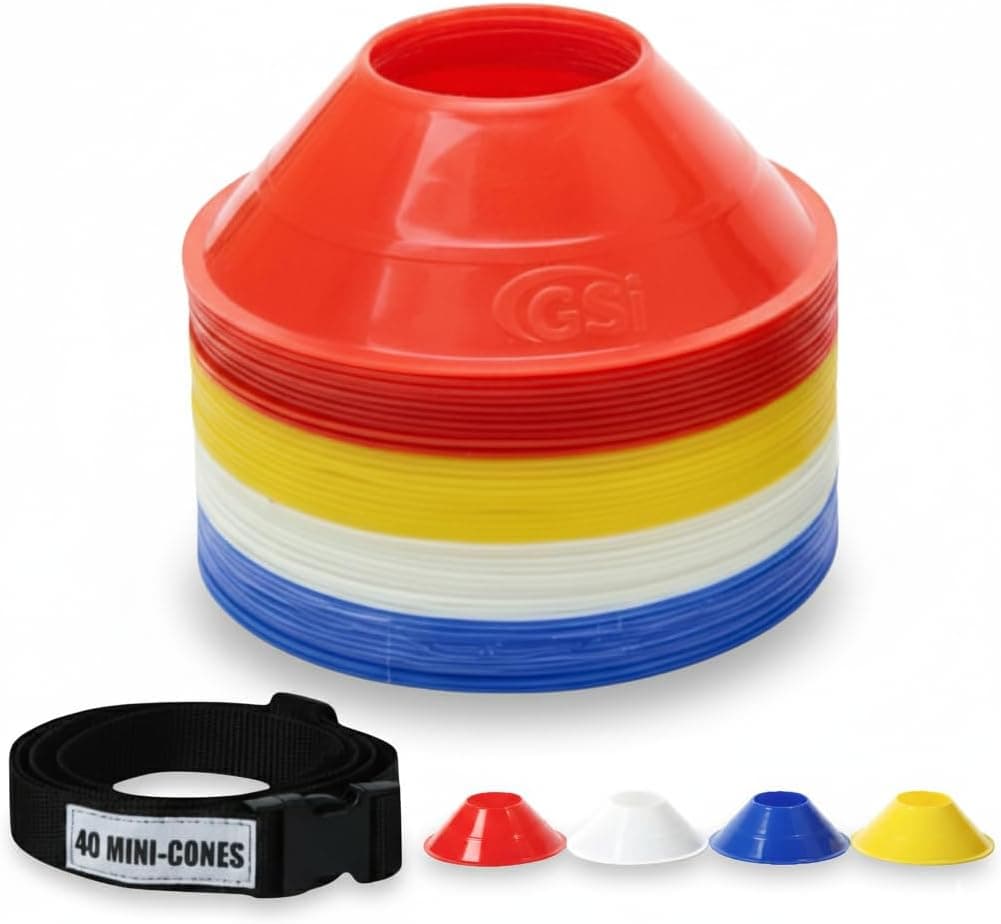
Disc Training Cones (Set of 40)
View on Amazon →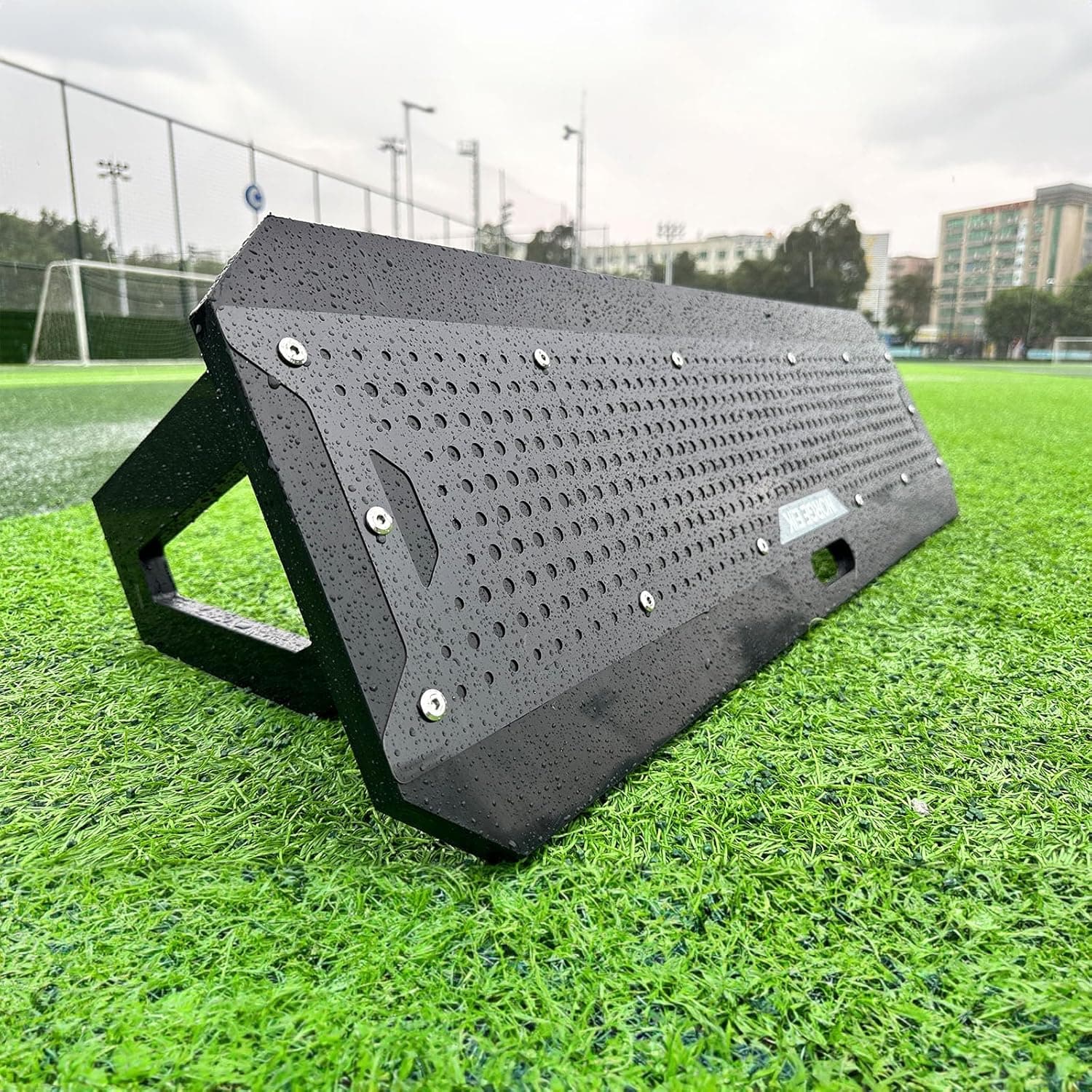
Soccer Rebounder
View on Amazon →As an Amazon Associate we earn from qualifying purchases, at no extra cost to you.