
Case Study How Daily Training Changed Everything
January 19, 2026
Case Study: How Daily Training Changed Everything
When parents ask me what single change had the biggest impact on my child's soccer development, I don't hesitate. It wasn't joining a better club. It wasn't hiring a private coach. It wasn't buying better equipment or attending expensive camps. It was committing to daily training at home — even when "training" meant nothing more than fifteen minutes with a ball in the backyard.
This article is a detailed analysis of how daily training transformed my daughter Sofia's game over the course of one year. I'll share the specifics: what we did, how much time we spent, what changed, and what I learned about the process of skill development in youth soccer.
The Starting Point: September 2024
Sofia was ten years old and playing on a competitive club team. She'd been in club soccer since age eight and was a solid, reliable player — the kind of kid coaches appreciated because she worked hard, listened well, and never caused problems. But she wasn't a standout. In a team of fifteen players, she was probably number eight or nine in terms of skill level. Good enough to start most games, but not one of the go-to players when the game was on the line.
Specifically, here's where she stood on key skills:
- Ball control: Average. She could manage the ball in open space but lost possession frequently under pressure.
- Passing: Decent short passing, but her longer passes were inaccurate and her weak foot was barely functional.
- Dribbling: She had one go-to move (an inside cut) and used it every time. Defenders started reading it.
- First touch: Inconsistent. Good days and bad days with no clear pattern.
- Confidence: Moderate. She wouldn't seek the ball in high-pressure situations and preferred to pass immediately rather than take players on.
The Decision to Train Daily
The catalyst for change was a conversation I had with Sofia's club coach during a midseason evaluation. He told me something that stuck with me: "Sofia has great potential, but she needs more touches. Two practices a week isn't enough for her to break through to the next level. The kids who are excelling are the ones who are doing extra work at home."
That was the wake-up call. I'd been assuming that club practice was sufficient for development. The coach was telling me it wasn't — that the real differentiator between good players and great players at this age was what they did outside of team training.
So Sofia and I made a deal. We'd commit to daily training for one month as an experiment. If she liked it and saw results, we'd keep going. If she hated it, we'd stop. The key conditions were:
- Sessions would be short: 15-20 minutes maximum.
- She would have input on what we worked on.
- We'd always end with something fun (a game, a challenge, or free play).
- There would be no pressure. Missing a day here or there was fine.
The Training Structure
We used Anytime Soccer Training as our primary training platform. I chose it for several reasons: the sessions were the right length (10-15 minutes of guided instruction), the content was age-appropriate, the progression was logical, and — most importantly — it took me out of the coaching equation. Sofia followed along with professional coaches on screen, which was far more effective and less emotionally charged than me trying to direct her training.
Our typical daily session looked like this:
- Minutes 1-5: Ball mastery warm-up. Toe taps, sole rolls, inside-outside, Cruyff turns, pull-backs. These became so routine that Sofia could do them without thinking, which was exactly the point — we were building automatic ball comfort.
- Minutes 5-15: Anytime Soccer Training guided session. Each day focused on a specific skill area — dribbling, passing, first touch, moves, or shooting. Sofia would follow along with the video, pausing and rewinding as needed.
- Minutes 15-20: Fun finish. A 1v1 game, a shooting challenge, a juggling contest, or just free play. This ensured every session ended on a positive note.
On weekends, we'd sometimes do a longer session (30-40 minutes) that included more game-like elements — small-sided games with her brother, dribbling races, or skills competitions.
Month 1: Building the Habit (October 2024)
The first month was about consistency, not results. We trained 24 out of 31 days. Some sessions were energetic and focused; others were sluggish and short. I learned to accept both. The goal was habit formation, not perfection.
Visible improvement: Minimal. Sofia's coaches and teammates wouldn't have noticed any difference. But Sofia noticed something — she felt more comfortable with the ball at her feet. The ball mastery warm-up that had felt awkward on day one was becoming fluid and natural. Small wins, but wins nonetheless.
Month 2: The Compound Effect (November 2024)
In the second month, something started to shift. The daily repetitions were compounding. Sofia's first touch, which had always been inconsistent, started to stabilize. She was receiving the ball cleanly more often than not. Her weak foot, which had been virtually useless, could now make a short pass accurately.
In games, I noticed subtle changes. She was taking one fewer touch before passing. She was receiving the ball on the half-turn instead of facing her own goal. She attempted a new dribbling move in a game for the first time. These might sound minor, but in the context of a 10-year-old's development, they were significant indicators of growing technical comfort.
We trained 22 out of 30 days this month. Consistency was becoming easier as the habit solidified.
Month 3: The Confidence Shift (December 2024)
Month three was where the transformation became visible to others. Sofia's coach pulled me aside after a practice and said, "Whatever you're doing at home, keep doing it. Sofia's touch has improved dramatically."
The technical improvement was real, but what struck me more was the confidence change. Sofia started seeking the ball in situations where she previously would have hidden. She attempted moves she'd only practiced in the backyard. She started using her weak foot in games — not perfectly, but willingly. There's a massive difference between a player who avoids their weak foot and a player who uses it imperfectly but confidently.
We trained 20 out of 31 days. The holiday schedule disrupted our routine slightly, but the habit was strong enough to survive some inconsistency.
Months 4-6: Acceleration (January-March 2025)
Once the foundation was built, improvement accelerated. Skills that had been developing in isolation started connecting. Sofia could receive the ball cleanly (first touch), take a defender on with a move (dribbling), and deliver an accurate pass to a teammate (passing) — all in one fluid sequence. She was playing faster because each individual skill required less conscious thought.
By March 2025, Sofia had moved from the number eight or nine player on her team to solidly in the top four or five. She was starting every game, playing significant minutes, and being trusted with the ball in critical moments. Her coach specifically commented on her ball mastery, her improved weak foot, and her growing confidence on the ball.
Months 7-12: The New Normal (April-September 2025)
By this point, daily training wasn't an experiment or a challenge — it was just what Sofia did. She'd come home from school, do her homework, and then spend 15-20 minutes with the ball before dinner. It was as routine as brushing her teeth. Some days she was more engaged than others, but the consistency was remarkable. Over the full year, she trained an average of 22 days per month — not perfect, but incredibly consistent.
The year-over-year improvement was dramatic:
- Ball control: From average to one of the best on her team. She could maintain possession under pressure and play out of tight spaces.
- Passing: Accurate with both feet across short and medium distances. Her weak foot went from a liability to a genuine weapon.
- Dribbling: She had a repertoire of four or five moves and, more importantly, knew when to use each one. She could beat defenders consistently.
- First touch: Clean and directional. She consistently set herself up with her first touch rather than just stopping the ball.
- Confidence: Night and day difference. She was a player who wanted the ball, who took risks, who played with creativity and flair. This was perhaps the most transformative change of all.
The Numbers Behind the Transformation
Let me put some rough numbers on this to illustrate the compound effect of daily training:
- Average daily training time: 17 minutes
- Training days per month: 22
- Total training days over 12 months: ~264
- Total training time over 12 months: ~75 hours
- Estimated additional ball touches over 12 months: 200,000+
That last number is the key. In a year of daily home training, Sofia accumulated over 200,000 additional touches on the ball beyond what she got in team practice and games. That's the equivalent of years of additional development compressed into one year through consistent daily practice.
What I Learned: Principles of Effective Daily Training
Through this year-long experiment, I identified several principles that I believe made the daily training effective:
- Short sessions work. We never trained for more than 20 minutes on weekdays. This kept the sessions manageable for a child's attention span and prevented burnout. The key was frequency, not duration.
- Structure matters. Following a program like Anytime Soccer Training ensured we were working on the right things in the right order. Random practice doesn't produce systematic improvement.
- The parent shouldn't be the coach. Using a video-based platform meant I wasn't directing Sofia's training. I was just there as a supporter — setting up cones, encouraging her, and playing games at the end. This preserved our parent-child relationship and eliminated the friction that comes with parental coaching.
- Habit beats motivation. There were plenty of days when Sofia didn't feel like training. But because it was a daily habit, she did it anyway — just like homework or chores. Motivation is unreliable; habits are resilient.
- Fun protects the love of the game. Ending every session with something enjoyable ensured that training never became a negative experience. Even on low-energy days, the fun finish meant Sofia walked away with a positive feeling.
- Progress is nonlinear. There were weeks where Sofia seemed to plateau or even regress. That's normal. Skill development isn't a straight line — it's a series of plateaus punctuated by breakthroughs. Patience and consistency are essential.
Recommendations for Parents
If you're considering daily home training for your child, here's my advice:
- Start with a one-month commitment. Don't try to commit to a year. Start with 30 days and see how it goes.
- Keep it short. 10-15 minutes is plenty for kids under 10. 15-20 minutes for ages 10-13. Quality over quantity.
- Use a structured program. Anytime Soccer Training was the backbone of our approach. It provides the instruction, progression, and variety that keeps home training effective and engaging.
- Give your child ownership. Let them choose which sessions to do. Let them decide what to work on some days. Autonomy breeds engagement.
- Track progress. Keep a simple log — even just a calendar where your child marks training days. Seeing the consistency builds pride and momentum.
- Be patient. The first month might not produce visible results. By month three, you'll see real changes. By month six, the transformation will be undeniable.
Sofia's story isn't unique. Any child can experience this kind of improvement with consistent daily training. The tools are available, the time commitment is minimal, and the results are transformative. The only question is whether you'll start — and whether you'll keep going when the early weeks feel unrewarding. Trust the process, stay consistent, and watch what happens.
Gear we use for this
The kit our own players train with at home.

Adidas MLS Training Soccer Ball
View on Amazon →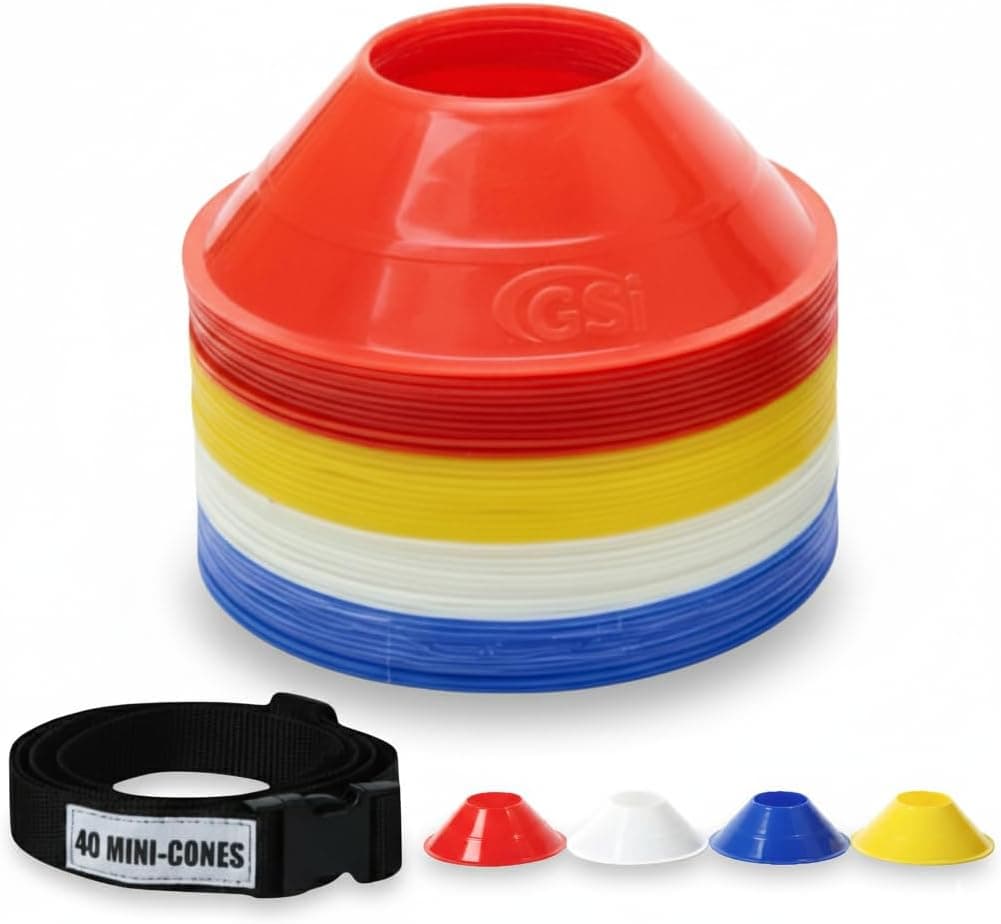
Disc Training Cones (Set of 40)
View on Amazon →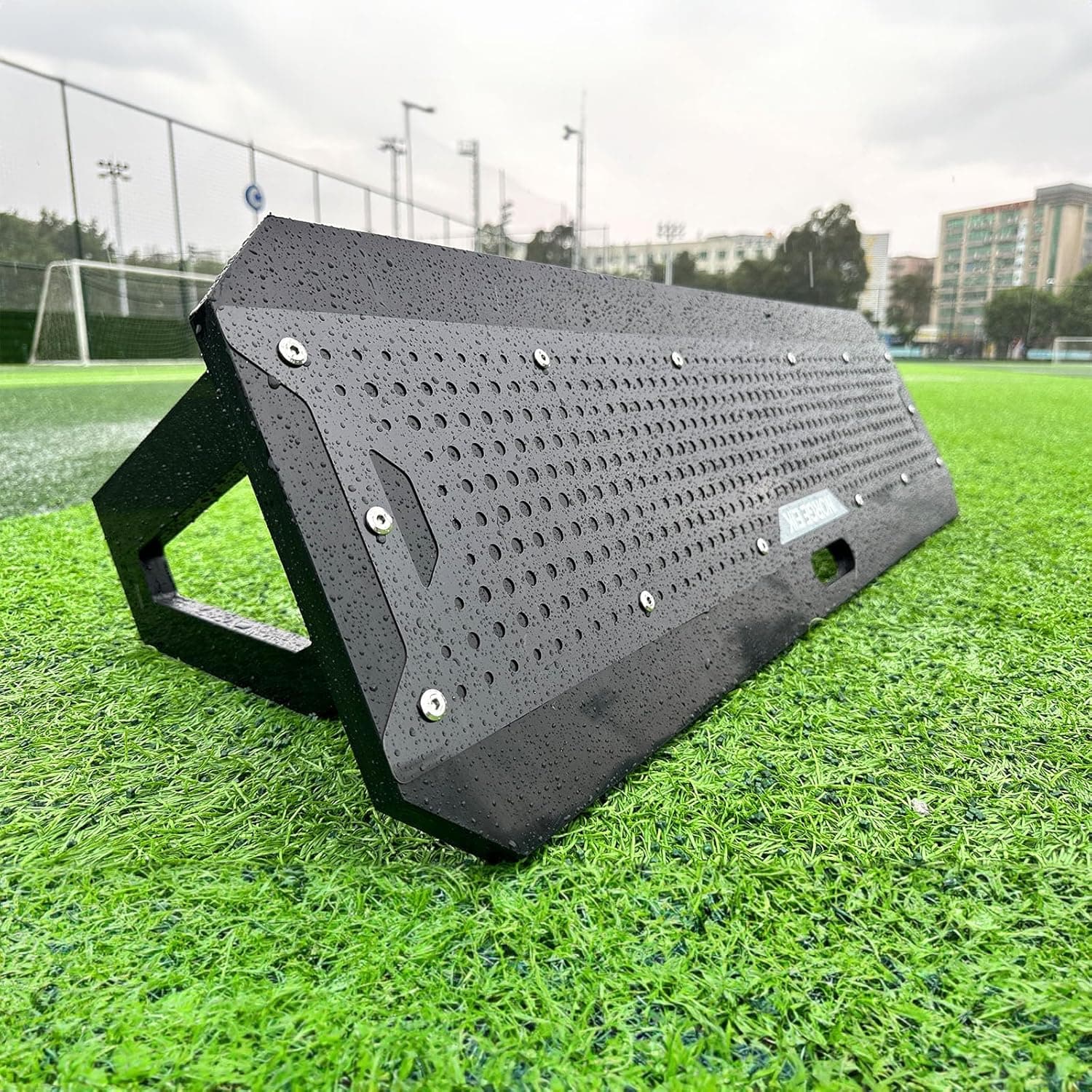
Soccer Rebounder
View on Amazon →As an Amazon Associate we earn from qualifying purchases, at no extra cost to you.