
Best Practices for Training U10-U12 at Home
January 20, 2026
The Golden Age of Development — And How to Make the Most of It
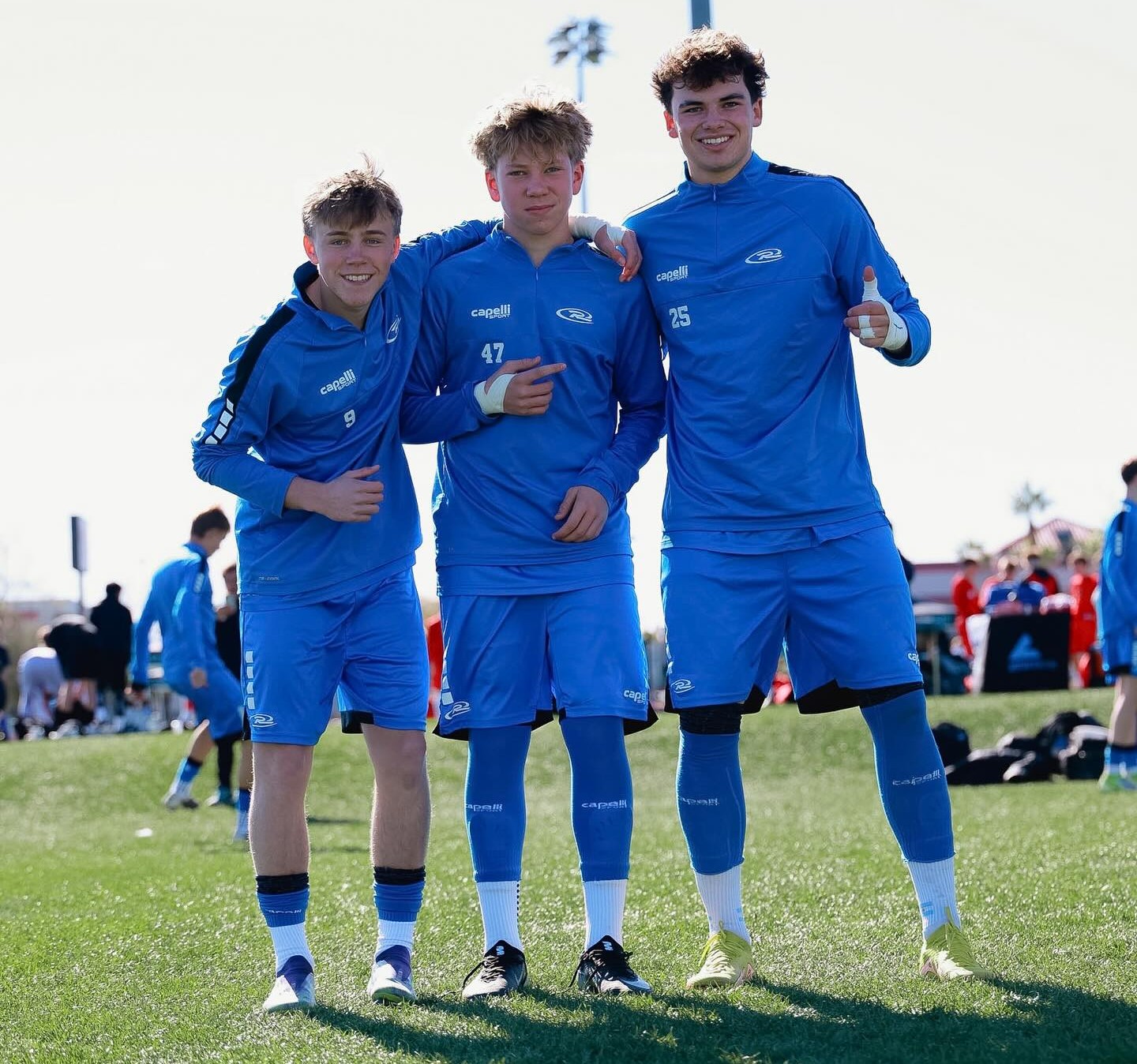
If there's one message I want to hammer home to parents of U10-U12 soccer players, it's this: your child is in the most critical window of technical development they will ever experience. The years between ages 8 and 12 represent what sports scientists call the "golden age of learning" — a period when the brain is exceptionally receptive to motor skill development.
During this window, the neural pathways that govern technical soccer skills — ball control, dribbling, passing, receiving — are being built and reinforced at a rate that won't be matched later in life. Skills learned and automated during this period become deeply ingrained. Skills not developed during this period become significantly harder to acquire later.
This isn't pressure — it's opportunity. And home training is the best way to seize it.
Understanding U10-U12 Players
Before diving into training best practices, it's important to understand what's happening developmentally with kids in this age range:
Physical Development
- Improving coordination and body awareness
- Growing rapidly (some may be entering early growth spurts)
- Developing speed and agility
- Higher risk of overuse injuries due to growing bones and joints
- Energy levels can fluctuate significantly day to day
Cognitive Development
- Longer attention spans than younger children (but still limited — 20-30 minutes is the sweet spot)
- Beginning to understand tactical concepts
- Capable of self-directed learning with appropriate guidance
- Responsive to goal-setting and progress tracking
- Developing a stronger sense of self-awareness and comparison to peers
Emotional Development
- Increasing importance of peer relationships and social belonging
- Growing sensitivity to success, failure, and evaluation
- Developing intrinsic motivation alongside external motivation
- Increasing capacity for resilience — but still fragile
- Strong desire for autonomy and independence
Understanding these characteristics helps you design home training that works with your child's development, not against it.
Best Practice #1: Keep Sessions at 15-25 Minutes
Attention and engagement are your most valuable resources in training, and they're finite. For U10-U12 players, focused engagement typically peaks around 15-20 minutes and declines noticeably after 25-30 minutes.
Design sessions to fit within this window. A well-structured 20-minute session produces better development than a 45-minute session where quality deteriorates in the second half. End while your child is still engaged and wanting more — this makes them eager to train again tomorrow.
The programs on Anytime Soccer Training are designed with this principle in mind. Sessions are concise, focused, and structured to maintain engagement throughout. Your child gets maximum development in minimum time.
Best Practice #2: Prioritize Technical Skills Over Everything Else
At U10-U12, the training priority hierarchy should be:
- Ball mastery and close control
- First touch and receiving
- Dribbling and 1v1 moves
- Passing and shooting technique
- Weak foot development
Notice what's not on this list: fitness, tactics, and positional play. Those matter — but they matter later. At this age, every minute of training time should be invested in the technical foundation that will support tactical and physical development in the teenage years.
A common mistake among well-meaning parents is to train their U10 like a U16 — running laps for fitness, practicing set pieces, drilling positional responsibilities. This is wasted development time. Your ten-year-old doesn't need to run faster; they need to be more comfortable on the ball. Fitness will come naturally through playing and training. Technical skill will not — it must be deliberately developed.
Best Practice #3: Include Weak Foot Work in Every Session
I've dedicated an entire article to weak foot development, but it deserves emphasis here too. Every home training session should include some weak foot work. Not a whole session — that's too frustrating. But at least 3-5 minutes of whatever you're practicing done with the non-dominant foot.
The golden age is when weak foot development is most effective. The neural pathways for the non-dominant foot are being built right now. If you wait until U14 or U16 to address the weak foot, the window of optimal development has partially closed.
Simple integration: during a ball mastery routine, do each move with both feet. During wall passing, alternate feet. During dribbling, include sections done exclusively with the weak foot. Small, consistent doses add up over time.
Best Practice #4: Make It Fun (This Is Not Optional)
At this age, your child's relationship with soccer is still being formed. Every training experience is either depositing into or withdrawing from their "love of the game" bank account. If home training becomes associated with boredom, pressure, or drudgery, you're making withdrawals that could ultimately bankrupt their desire to play.
Fun doesn't mean unproductive. The best training sessions are both enjoyable and effective. Here are ways to keep it fun:
- Music: Let your child play their favorite music during sessions. This immediately changes the atmosphere from "work" to "play."
- Challenges: Frame drills as challenges rather than exercises. "Can you beat your record?" is more motivating than "Do 50 wall passes."
- Variety: Don't do the same routine every day. Rotate through different skill areas. Introduce new drills regularly. Anytime Soccer Training keeps things fresh by continually progressing and introducing new content.
- Social training: Invite a friend or include siblings. Everything is more fun with company.
- Freestyle Fridays: Dedicate one day per week to pure freestyle — trick shots, juggling challenges, creative moves. No structure, no expectations, just play.
Best Practice #5: Use Guided Programs, Not Ad-Hoc Drills
The temptation for many parents is to cobble together training sessions from YouTube videos, Instagram clips, and coaching blogs. While these resources can be useful, they don't provide the progressive, structured development that produces consistent long-term improvement.
A quality training program — like those offered by Anytime Soccer Training — provides:
- Structured progression: Each session builds on the previous one, ensuring skills are developed systematically
- Age-appropriate content: Drills designed for U10-U12 developmental stages, not generic exercises
- Balanced coverage: All key skill areas are addressed across the program cycle
- Expert instruction: Video demonstrations by qualified coaches showing proper technique
- Convenience: No planning required — just follow the session
Think of it this way: you wouldn't teach your child math by randomly selecting worksheets from the internet. You'd use a curriculum designed to build understanding progressively. Soccer skill development deserves the same structured approach.
Best Practice #6: Respect Recovery and Rest Days
Growth, consolidation, and physical recovery all happen during rest. At U10-U12, when bodies are growing rapidly and schedules are often packed with team training, games, and other activities, rest is not just nice to have — it's essential.
A good rule of thumb: your child should have at least one complete rest day per week (no soccer of any kind) and should not be doing high-intensity training on consecutive days. Home training sessions, which are typically low-to-moderate intensity, can happen more frequently than team practices, but there should still be days where the ball stays in the bag.
Signs your child needs more rest:
- Declining enthusiasm for training
- Increased irritability or moodiness
- Persistent fatigue even with adequate sleep
- Nagging aches or pains (especially in heels, knees, or shins)
- Declining performance despite continued effort
When you see these signs, ease off. A few extra rest days won't derail development. Ignoring fatigue signals can lead to burnout, overuse injury, or both.
Best Practice #7: Let Your Child Lead
As much as possible, let your child drive their own training. This means giving them choices about what to work on, when to train, and how long to go. Autonomy is a fundamental human need, and children who feel a sense of ownership over their training are more engaged, more motivated, and more likely to sustain the habit long-term.
This doesn't mean zero structure — kids still need guidance and boundaries. But within a framework ("We train after school, for about 15-20 minutes, using your Anytime Soccer Training program"), let them make choices ("Which session do you want to do today? Do you want to start with juggling or ball mastery? Should we do this inside or outside?").
The goal is to move from parent-directed training to self-directed training. At age 8 or 9, you might need to be actively involved in sessions. By age 11 or 12, your child should be capable of running their own sessions with minimal oversight. This transition is itself a developmental achievement — and it sets them up for continued independent training through their teenage years and beyond.
Best Practice #8: Focus on the Process, Not the Product
It's tempting to evaluate home training based on outcomes: Did they make the team? Did their juggling record go up? Did the coach notice improvement? These outcomes matter, but they're lagging indicators. The leading indicators — the ones you should focus on daily — are process-based:
- Did they show up and train today?
- Were they focused and engaged during the session?
- Did they try their best on the challenging drills?
- Did they work on their weak foot?
- Did they enjoy the session?
If the process is right, the outcomes will follow. But it takes time — often months. Trust the process, celebrate the effort, and let the results take care of themselves.
Putting It All Together: A Sample Week
Here's what an optimal home training week might look like for a U10-U12 player who also has team practices twice a week:
- Monday: Ball mastery session (20 min) — Anytime Soccer Training program
- Tuesday: Team practice — no additional home training
- Wednesday: First touch and wall work (15 min) + weak foot focus
- Thursday: Team practice — no additional home training
- Friday: Juggling and freestyle (15 min) — fun day
- Saturday: Game day — light warm-up only
- Sunday: Complete rest — no soccer
Three home sessions, two team practices, one game, one rest day. This provides plenty of development stimulus while protecting against burnout and overtraining. Adjust based on your child's specific schedule, energy levels, and preferences.
The Investment That Pays Forever
The technical skills your child develops between ages 8 and 12 will stay with them for the rest of their lives. Whether they play through college, hang up their cleats at 16, or become a weekend warrior in an adult league, the ball mastery, touch, and comfort they build now is permanent.
Home training during the golden age isn't just about making the next team or winning the next game. It's about building a foundation of technical ability that makes soccer enjoyable and accessible forever. And that's an investment worth making.
Gear we use for this
The kit our own players train with at home.
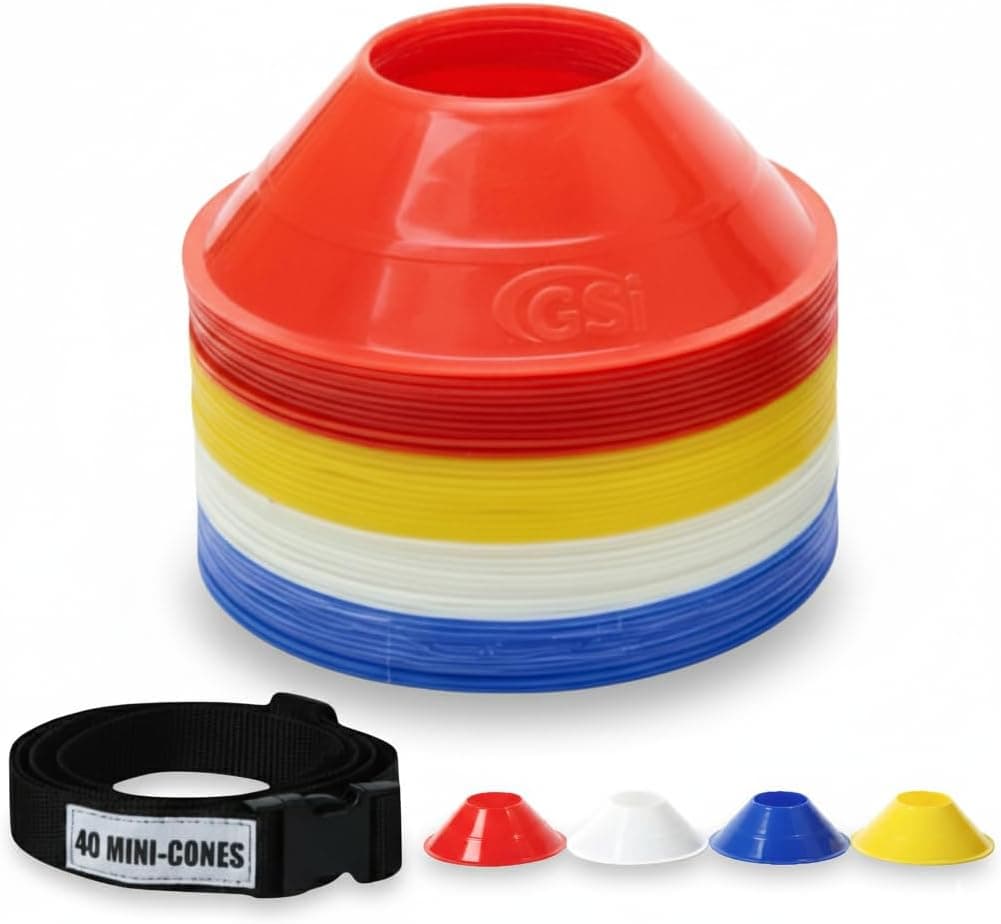
Disc Training Cones (Set of 40)
View on Amazon →
Adidas MLS Training Soccer Ball
View on Amazon →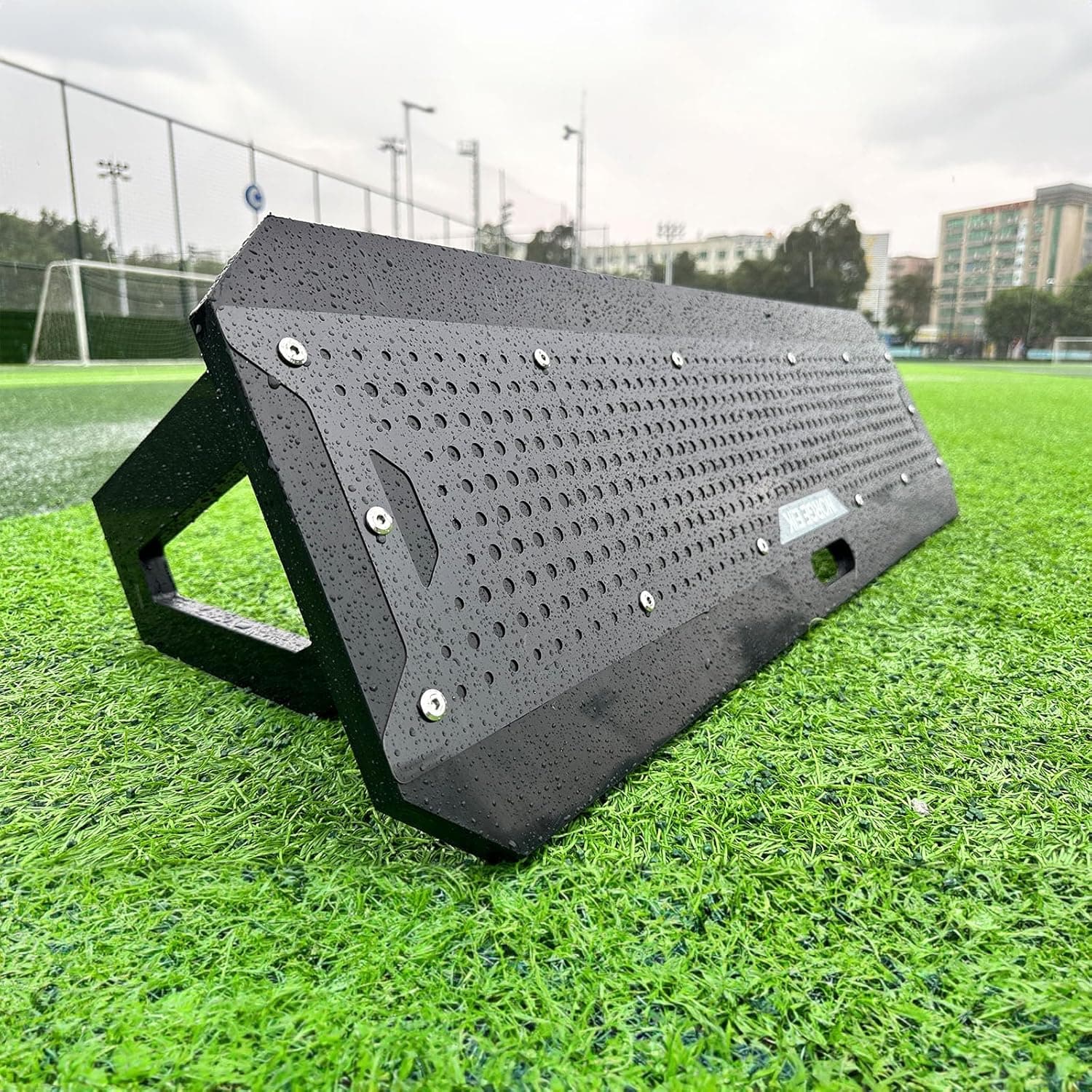
Soccer Rebounder
View on Amazon →As an Amazon Associate we earn from qualifying purchases, at no extra cost to you.