
Before and After A Year of Home Training Results
March 7, 2026
Before and After: A Year of Home Training Results
Three hundred and sixty-five days. That is how long we committed to consistent home training, and the results speak for themselves. This is not a hypothetical story or a best-case scenario. This is exactly what happened with my son over one year of dedicated practice at home, documented with real numbers, real milestones, and honest reflections on what worked and what did not.
The Starting Point: January Year One
Let me be completely transparent about where my son was when we started this journey. He was ten years old, playing on a mid-level travel team, and was a solid but unremarkable player. He was not getting cut from teams, but he was not standing out either. He blended in, which as a parent is a frustrating place to be because you can see the potential but the performance does not match.
Here are his baseline measurements from when we started:
- Juggling record: 12 consecutive touches
- Cone dribbling time (ten cones, standard spacing): 28 seconds
- Wall passes in one minute (alternating feet): 18
- Weak foot comfort level (self-rated 1-10): 3
- Coach's assessment: "Good attitude, needs to improve technically. Struggles under pressure."
- Playing time: Rotating starter, usually subbed out around half time
- Confidence on the ball (self-rated 1-10): 4
This is the honest starting point. Not the worst player on the team, not the best. Just average. And average was not good enough for where my son wanted to go.
The Plan: Fifteen Minutes a Day, Every Day
Our plan was simple. Fifteen minutes of focused training at home every single day. We used Anytime Soccer Training as our primary program, following along with the structured sessions that progressed from basic ball mastery through more advanced skills. On days when we deviated from the program, we would do free practice working on whatever my son wanted to focus on.
The only rules were:
- Train every day (with planned rest days every seven to ten days)
- Minimum fifteen minutes per session
- Follow the program progression rather than jumping around randomly
- Track progress monthly with the same benchmark measurements
That was it. No fancy equipment, no expensive private coaches, no secret methods. Just a ball, some cones, a rebounder, a follow-along training program, and an absolute commitment to consistency.
Months 1-3: The Foundation Phase
The first three months focused primarily on ball mastery and first touch. These are the unglamorous skills that most kids want to skip past, but they are the foundation that everything else is built on.
Progress was slow initially. My son was doing exercises that felt too easy and getting frustrated by exercises that felt too hard. There were days when he did not want to train and I had to push him to get started. But we kept showing up, day after day.
By the end of month three, the first signs of improvement were appearing:
- Juggling record: 12 to 45 (nearly 4x improvement)
- Cone dribbling time: 28 seconds to 22 seconds
- Wall passes in one minute: 18 to 26
- Weak foot comfort: 3 to 5
- Coach's assessment: "Noticeably better on the ball. Keep doing whatever you're doing at home."
The most meaningful change was not in the numbers but in how my son carried himself on the field. He was starting to look more comfortable, less rushed, and more willing to take risks with the ball. His coach noticed before I did.
Months 4-6: The Acceleration Phase
Something interesting happened around month four. The daily training habit had become automatic. My son was no longer resisting it or needing to be reminded. He would finish homework, grab his ball, and start training without me saying a word. The habit had taken root.
During this phase, we expanded the training to include more dribbling moves, shooting technique, and some combination play. The sessions naturally extended from fifteen minutes to twenty or twenty-five minutes because my son was choosing to go longer.
By the end of month six, the improvement was dramatic:
- Juggling record: 45 to 127
- Cone dribbling time: 22 seconds to 17 seconds
- Wall passes in one minute: 26 to 35
- Weak foot comfort: 5 to 7
- Coach's assessment: "One of the most improved players I've coached. Technical quality is now a strength."
- Playing time: Consistent starter, playing full games
- Confidence on the ball: 4 to 7
The six-month mark was when other parents started asking me what we were doing. My son had gone from an average player to one of the better players on his team, and the transformation was visible to everyone. At tournaments, opposing coaches were pointing him out and asking about him.
Months 7-9: The Plateau and Breakthrough
If I am being honest, months seven and eight were tough. After the rapid improvement of the first six months, progress seemed to stall. My son's numbers were still improving, but more slowly. His performance in games plateaued. And he started getting frustrated that he was not seeing the same dramatic improvement he had experienced earlier.
This is the phase where most people quit. They interpret the plateau as a sign that they have reached their ceiling, when in reality, it is a normal part of the development process. Skills develop in bursts and plateaus, not in a straight line.
We stayed the course. We kept training every day. We adjusted the focus to areas that needed the most work (weak foot and shooting were the priorities during this phase). And around month nine, the breakthrough came. It was like a dam breaking. The skills that had been developing incrementally suddenly clicked, and my son had a stretch of games where he looked like a completely different player.
Month nine numbers:
- Juggling record: 127 to 234
- Cone dribbling time: 17 seconds to 14.5 seconds
- Wall passes in one minute: 35 to 42
- Weak foot comfort: 7 to 8
Months 10-12: Consolidation and Confidence
The final quarter of the year was about consolidating all the skills that had been developed and building the confidence to use them consistently in game situations. We continued the daily training but shifted the focus toward game-realistic scenarios: receiving under pressure, dribbling in tight spaces, quick combination play, and finishing.
Here are the final numbers after twelve months:
- Juggling record: 234 to 412
- Cone dribbling time: 14.5 seconds to 12.8 seconds
- Wall passes in one minute: 42 to 48
- Weak foot comfort: 8 to 9
- Coach's assessment: "One of the strongest technical players in the age group. Ready for a higher level of competition."
- Playing time: Undisputed starter, team captain
- Confidence on the ball: 4 to 9
The Numbers That Matter Most
Over the course of the year, here is what the training commitment looked like:
- Total training days: 327 out of 365 (89.6% consistency rate)
- Missed days: 38 (illness, vacations, rest days, and a few days where life just got in the way)
- Average session length: 18 minutes
- Total training time: Approximately 98 hours
- Average weekly commitment: About 1 hour and 53 minutes
Less than two hours per week. That is what it took. Less than two hours per week of focused, consistent home training to go from an average player to one of the best in his age group. When I put it that way, it almost sounds too good to be true. But the numbers do not lie.
What Worked and What I Would Change
What worked:
- Using a structured follow-along program (Anytime Soccer Training) rather than random YouTube drills. The progression and consistency of a structured program made a huge difference.
- Tracking progress monthly with specific benchmarks. This kept us motivated during plateaus and provided objective evidence of improvement.
- Keeping sessions short. Fifteen minutes was the sweet spot for maintaining focus and consistency without causing burnout or resistance.
- Making training a daily habit rather than an occasional activity. The consistency was the biggest factor in the results.
What I would change:
- I would have started earlier. We wasted years relying solely on team training before discovering the power of daily home practice.
- I would have been more patient during the plateau months. I put too much pressure on my son during months seven and eight, and in hindsight, he just needed patience and encouragement.
- I would have filmed more comparison footage. We have some, but I wish we had more systematic before-and-after video to really see the transformation.
The Bigger Picture
The statistics and benchmarks tell one part of the story, but the bigger picture is about who my son became through this process. He developed discipline, work ethic, resilience, and self-belief. He learned that consistent effort leads to results. He experienced the satisfaction of earning something through hard work rather than talent alone.
Those life lessons are worth more than any juggling record or tryout result. And they came from a simple commitment: fifteen minutes a day, every day, for a year.
If you are considering starting a home training routine for your child, start today. Not next week, not next month, not next season. Today. The year is going to pass regardless. The only question is whether your child will be in the same place twelve months from now or in a dramatically better one. The choice is yours.
Gear we use for this
The kit our own players train with at home.

Adidas MLS Training Soccer Ball
View on Amazon →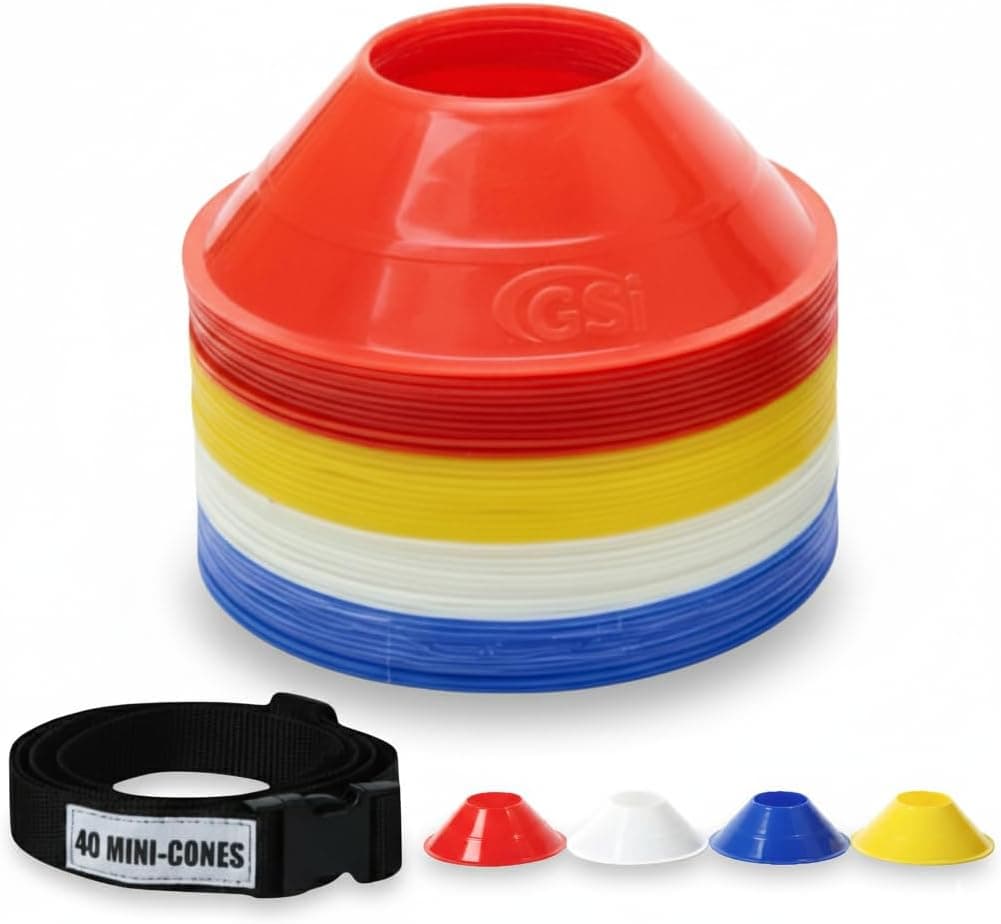
Disc Training Cones (Set of 40)
View on Amazon →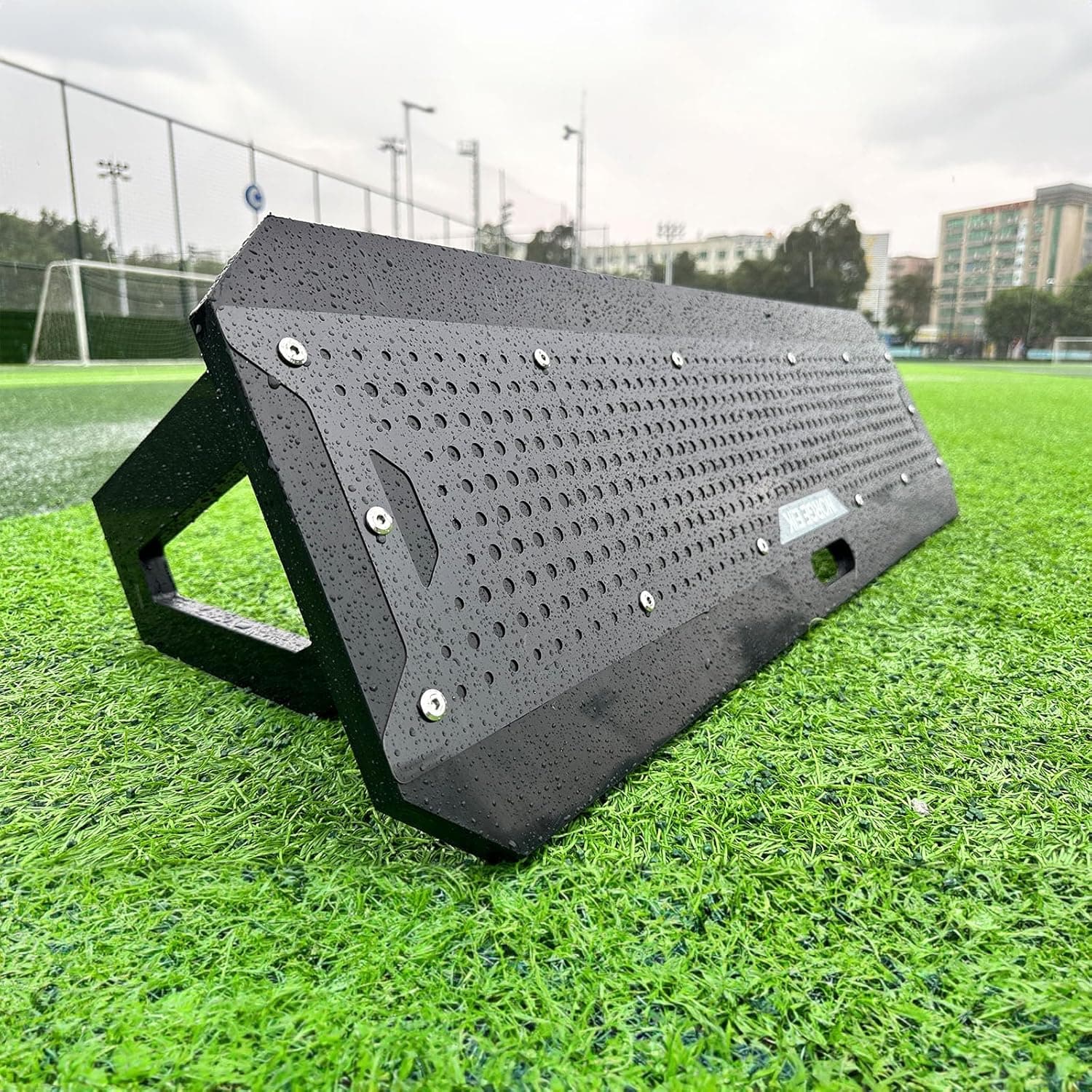
Soccer Rebounder
View on Amazon →As an Amazon Associate we earn from qualifying purchases, at no extra cost to you.