
Ball Mastery Training The Foundation of Everything
March 11, 2026

Ball Mastery Training: The Foundation of Everything
If there is one thing I want every soccer parent to understand, it is this: ball mastery comes before everything else. Before dribbling, before passing, before shooting, before tactics, before positions, before anything else in soccer, a player needs to be able to manipulate the ball confidently with all surfaces of both feet. That is ball mastery, and it is the single most important skill in the game.
I did not understand this when my first son started playing soccer. I thought the important skills were the game skills: shooting, passing, and playing positions. I was wrong. Those game skills are built on the foundation of ball mastery, and without that foundation, they will always be limited.
What Exactly Is Ball Mastery?
Ball mastery is the ability to control a soccer ball comfortably and confidently using all parts of both feet. It includes fundamental movements like:
- Sole rolls: Rolling the ball forward, backward, and sideways using the sole (bottom) of the foot
- Tick tocks: Tapping the ball back and forth between the inside of the right and left foot
- Inside-outside touches: Moving the ball from the inside of the foot to the outside in a smooth, continuous motion
- Toe taps: Alternating feet on top of the ball with quick, rhythmic touches
- Pulls and pushes: Using different parts of the foot to direct the ball in various directions
- Foundation patterns: Combining multiple touches into flowing sequences that build coordination and rhythm
These movements might look simple, and individually, they are. But stringing them together into fluid, automatic sequences is what creates the neural foundation for every other skill in soccer. A player with excellent ball mastery looks like the ball is glued to their feet. They do not have to think about controlling the ball; they can focus entirely on what is happening around them.
Why Ball Mastery Comes First
Think of ball mastery as learning the alphabet before learning to write. You cannot write words without knowing letters, and you cannot play soccer effectively without being comfortable on the ball.
Here is specifically how ball mastery supports every other soccer skill:
Dribbling: A player with great ball mastery can dribble in tight spaces, change direction quickly, and keep the ball close to their feet at speed. A player without ball mastery dribbles with big, uncontrolled touches that invite defenders to steal the ball.
First touch: Receiving the ball cleanly requires the same foot-ball coordination that ball mastery develops. The neural pathways built through ball mastery exercises directly transfer to controlling the ball when it comes from a pass.
Passing: Accurate passing requires precise foot placement and soft touch, both of which are developed through ball mastery. A player who can manipulate the ball fluently will naturally become a more accurate passer.
Shooting: Clean striking of the ball depends on coordination and timing that is honed through ball mastery. The player who is comfortable with the ball at their feet will approach a shooting opportunity with confidence rather than anxiety.
Confidence: Perhaps most importantly, ball mastery builds confidence. When a player knows they can control the ball in any situation, they play without fear. They are willing to receive the ball under pressure, take on defenders, and try creative moves because they trust their feet.
The Research Behind Ball Mastery
The importance of ball mastery is not just anecdotal; it is supported by research in motor learning and sports science. Studies on skill acquisition have consistently shown that fundamental movement competency (the ability to perform basic movements with coordination and control) is the strongest predictor of future athletic success.
In soccer, ball mastery exercises develop what researchers call "proprioception" and "kinesthetic awareness": the brain's ability to sense where the body and the ball are in space and to make micro-adjustments in real time. This awareness is built through thousands of repetitions of fundamental ball touches.
The concept of myelination, which I have discussed in previous posts, is particularly relevant here. Each ball mastery repetition strengthens the neural pathways that control foot-ball coordination. Over time, these pathways become so well-insulated with myelin that the movements become automatic, freeing up cognitive resources for higher-level decision making during games.
Research has also shown that ball mastery exercises are most effectively learned during the golden age of motor learning (ages six to twelve), when the brain is most receptive to acquiring new motor skills. This is why starting ball mastery training at young ages is so critical and why the investment pays such enormous dividends.
A Ball Mastery Training Session: What It Looks Like
A typical ball mastery session for a youth player lasts about ten to fifteen minutes and follows a progression from simple to complex. Here is an example session:
Warm-up (two minutes):
- Light jogging in place with the ball at your feet
- Gentle sole rolls side to side and forward and back
- Easy tick tocks to get the feet moving
Foundation touches (four minutes):
- Right foot sole roll forward, left foot sole roll forward, alternating (thirty seconds)
- Tick tocks at increasing speed (thirty seconds slow, thirty seconds medium, thirty seconds fast)
- Inside-outside right foot, inside-outside left foot (sixty seconds each)
Pattern work (four minutes):
- Combine sole roll with tick tock in a flowing sequence (sixty seconds)
- Inside right, sole right, inside left, sole left pattern (sixty seconds)
- V-pull with the sole: pull the ball back and push it diagonally forward with the inside (sixty seconds each foot)
Challenge (two to three minutes):
- Perform a complete ball mastery routine as fast as possible while maintaining control
- Try to beat your previous time or set a new record for consecutive clean touches
This entire session can be done standing in one spot, in a space no bigger than six feet by six feet. No cones, no goals, no partner needed. Just a ball and two feet.
How to Start Ball Mastery Training at Home
If your child has never done structured ball mastery training, here is how to get started:
Step one: Get a ball and find a space. Any flat surface works. A driveway, a garage, a basement, a living room with a soft ball. The space does not need to be large.
Step two: Start with the basics. Begin with sole rolls and tick tocks. These are the two most fundamental ball mastery exercises and they form the base for everything else. Spend a few days just getting comfortable with these before adding more complexity.
Step three: Follow a structured program. This is where programs like Anytime Soccer Training are invaluable. Their ball mastery programs are designed with progressive difficulty, so your child starts with the basics and gradually adds more complex movements as they improve. The follow-along format means your child can see exactly what each exercise should look like and match the coach's pace.
Step four: Practice daily. Ball mastery improves through repetition. Daily practice, even for just five to ten minutes, produces much faster improvement than longer sessions done less frequently. The neural pathways are strengthened most effectively through frequent, focused repetition.
Step five: Be patient. Ball mastery does not develop overnight. The first few weeks can be frustrating as your child works to coordinate their feet with the ball. But stick with it. The improvement will come, and when it does, it unlocks everything else in soccer.
Common Mistakes in Ball Mastery Training
Having been through this process with two sons, here are the mistakes I see parents and kids make most often:
Going too fast too soon. Many kids want to rush through ball mastery exercises at top speed. Speed is important eventually, but accuracy comes first. Master the movement slowly, then gradually increase the speed. Fast but sloppy is worse than slow and controlled.
Neglecting the weak foot. It is natural to favor the dominant foot, but ball mastery must be developed in both feet. Spend at least a third of every session working exclusively with the weaker foot. It will be frustrating initially, but the payoff in becoming a two-footed player is enormous.
Skipping the basics. Some parents and kids want to jump straight to fancy moves and tricks. While those are fun and have their place, they should not replace fundamental ball mastery work. The basics are called basics for a reason: they are the base upon which everything else is built.
Treating it as boring or unimportant. Ball mastery exercises can feel repetitive, and kids sometimes resist them in favor of more exciting activities like shooting or playing games. While it is fine to mix in fun activities, do not skip ball mastery. Treat it like the warm-up to every session: non-negotiable and foundational.
Inconsistency. The number one mistake is not doing ball mastery regularly. A ten-minute session every day is exponentially more effective than a forty-minute session once a week. Frequency and consistency are everything in ball mastery development.
When You Will See Results
Based on our experience, here is a rough timeline of what to expect when starting a daily ball mastery program:
- Weeks one and two: Awkward, clumsy, frustrating. Your child is building new neural pathways and the movements feel foreign. This is normal.
- Weeks three and four: The basic movements start to smooth out. Sole rolls and tick tocks become more fluid. Your child may start to find rhythm in the exercises.
- Months two and three: Noticeable improvement in comfort on the ball during games. Your child's first touch is cleaner and their close control is tighter. Coaches and other parents start to notice.
- Months four through six: Ball mastery becomes a genuine strength. Your child looks confident and composed on the ball. The foundation is solid and supports rapid development of other skills like dribbling and passing.
- Beyond six months: Continued refinement and increasing speed. Ball mastery routines that were challenging early on become warm-up exercises. Your child's technical ceiling keeps rising.
Ball Mastery Is Not Just for Beginners
One important point: ball mastery is not something you master once and then move on from. Even professional players do ball mastery exercises as part of their daily routine. It is a skill that can always be refined, made faster, made smoother, and made more automatic.
As your child's ball mastery improves, the exercises should evolve in complexity and speed. What started as simple sole rolls becomes intricate patterns combining multiple surfaces of the foot at game speed. The ceiling for ball mastery is incredibly high, and the best players in the world are constantly working to push it higher.
So do not think of ball mastery as a beginner activity that your child will outgrow. Think of it as a lifelong practice that forms the foundation of their entire soccer development. It is where everything starts, and it is where the best players continue to invest their training time throughout their careers.
Start today. Five minutes. Just a ball and two feet. That is all it takes to begin building the foundation that will support your child's soccer journey for years to come.
Gear we use for this
The kit our own players train with at home.
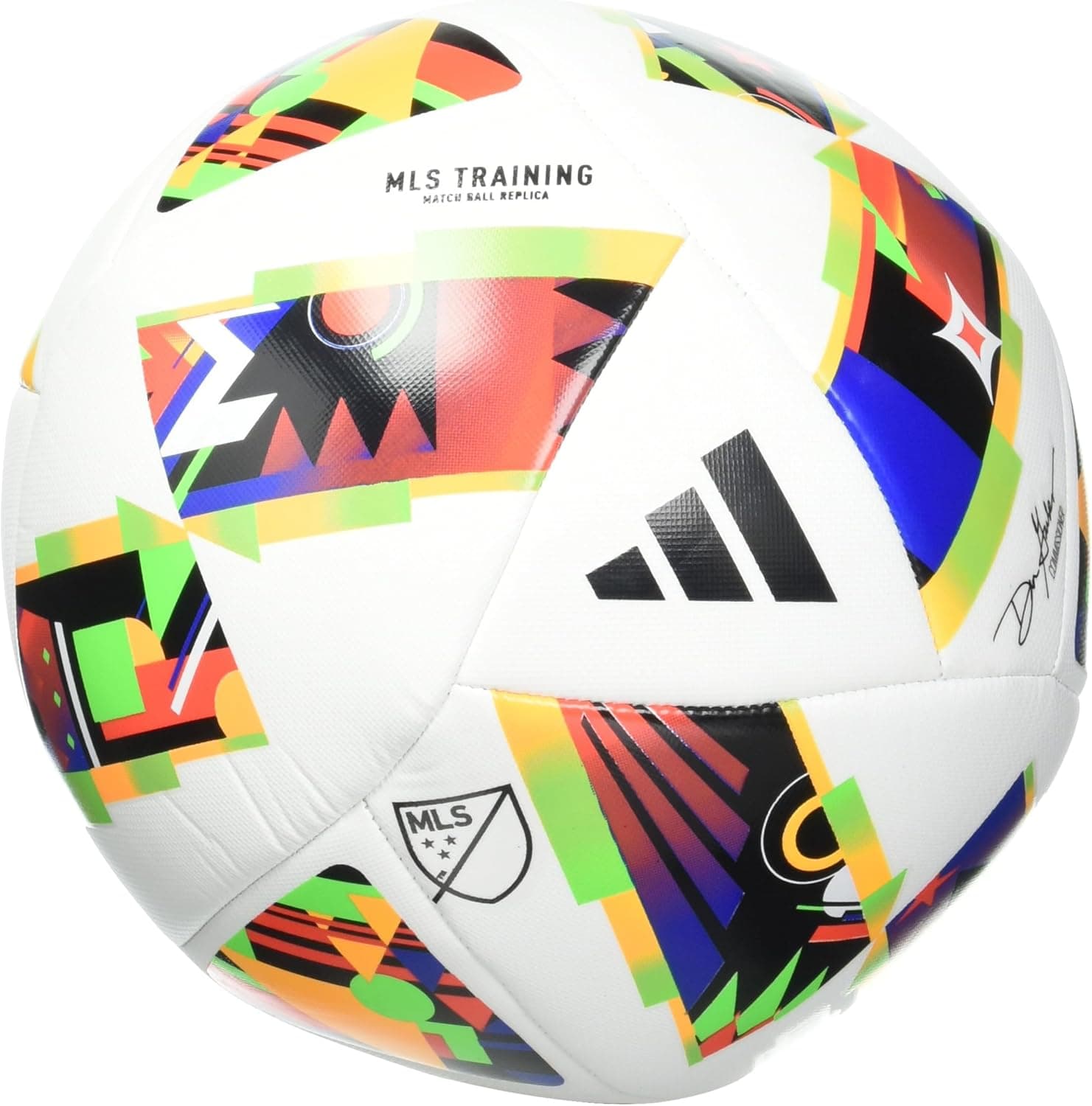
Adidas MLS Training Soccer Ball
View on Amazon →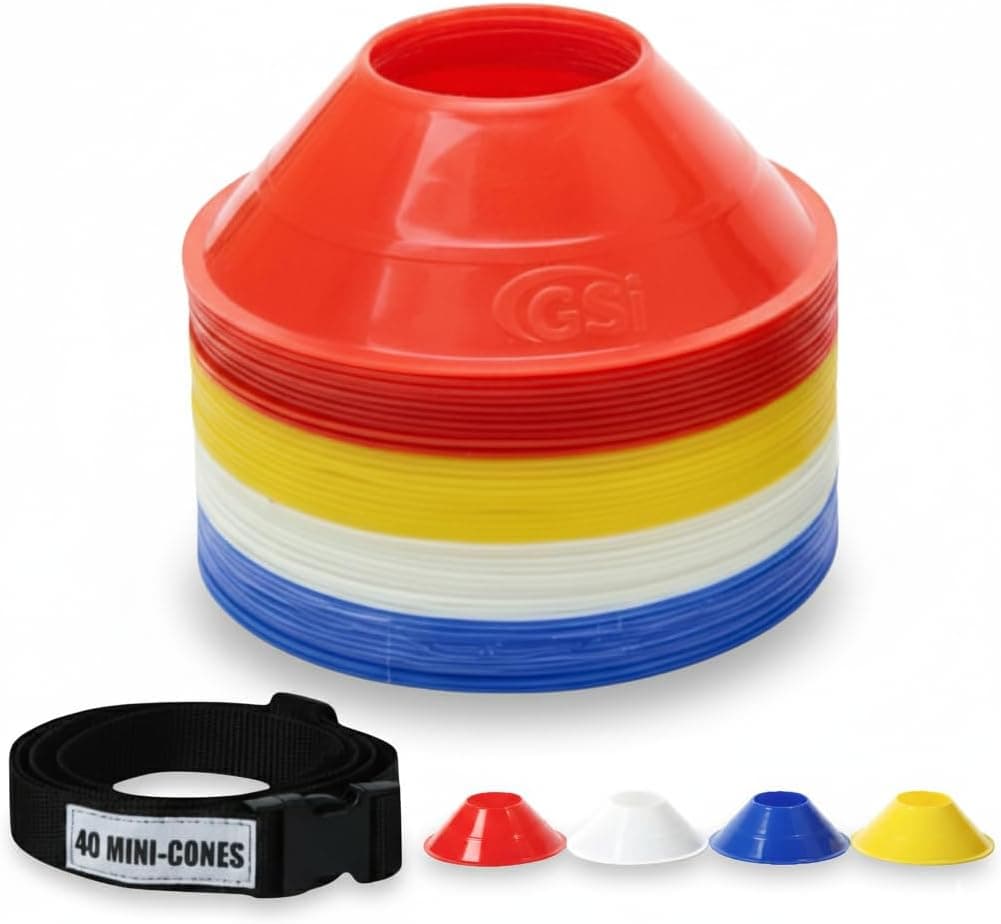
Disc Training Cones (Set of 40)
View on Amazon →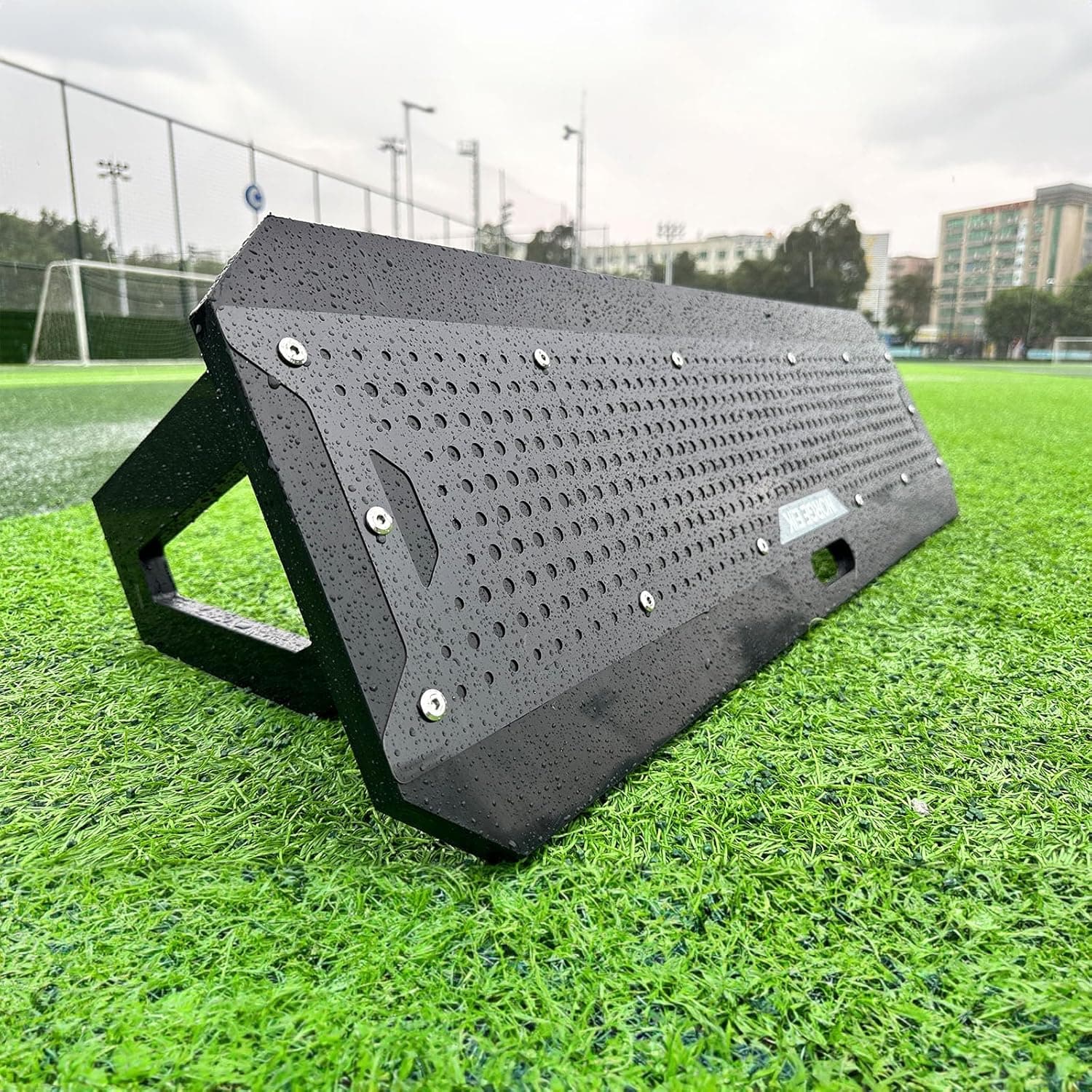
Soccer Rebounder
View on Amazon →As an Amazon Associate we earn from qualifying purchases, at no extra cost to you.