
Back-to-School Soccer Routine
January 21, 2026
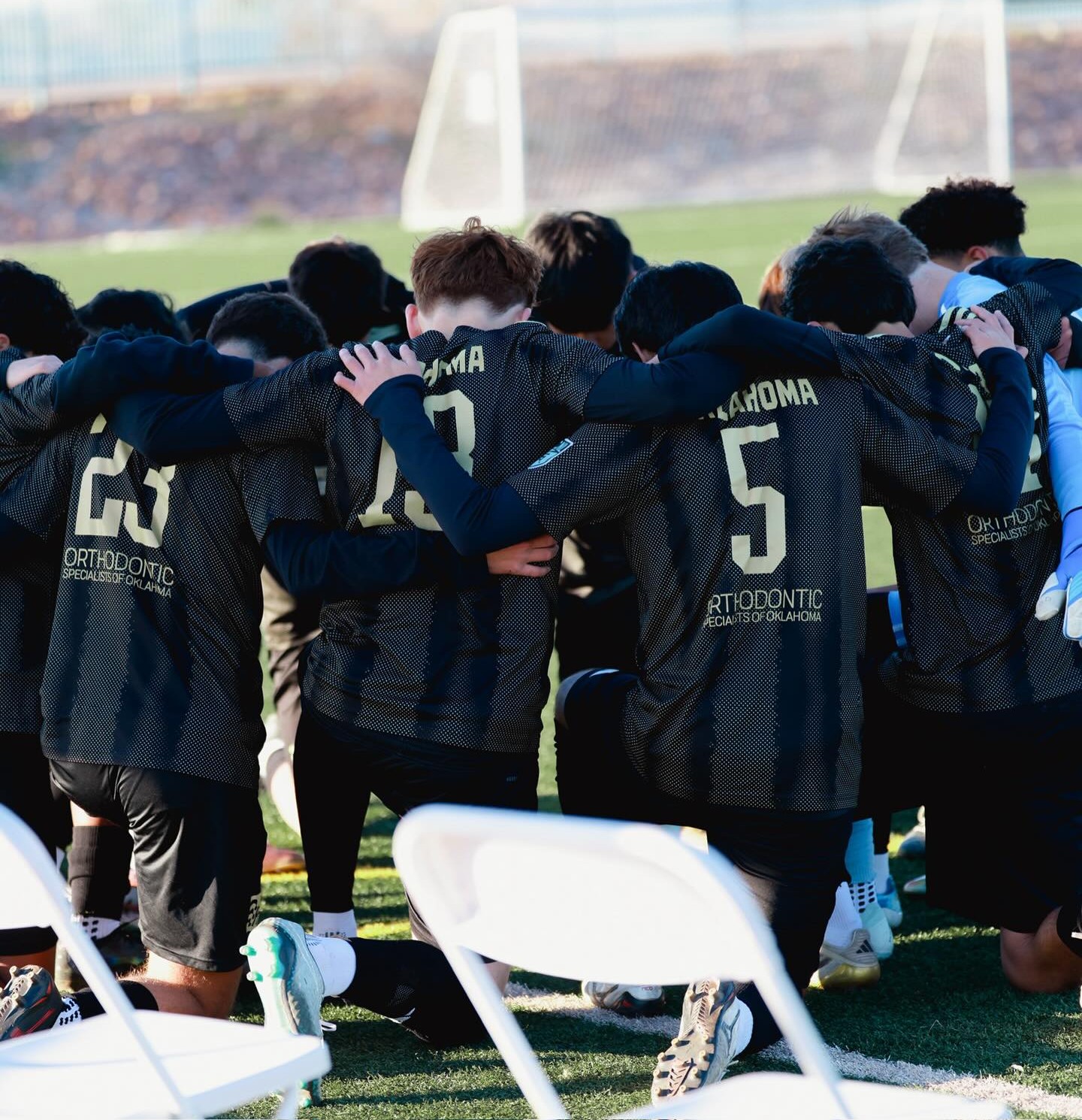
Back-to-School Soccer Routine: Managing the Transition
Every fall, millions of young soccer players face the same challenge: how to keep up with their soccer training when school comes back with homework, early mornings, and packed schedules. The summer months offer long evenings, flexible schedules, and plenty of time to train. Then August arrives, and suddenly everything compresses. Practices that felt manageable during summer now conflict with homework. The 7 PM evening kickaround gets squeezed out by dinner, bath, and bedtime routines.
I've navigated this transition with my three kids for the past six years, and I've learned that the families who handle it well share a common approach: they plan ahead, set realistic expectations, and build soccer into the daily routine rather than treating it as something that has to compete with everything else.
The Core Challenge: Time Compression
Let's be honest about what happens when school starts. A typical school-day schedule for a 10-year-old soccer player looks something like this:
- 6:30-7:00 AM: Wake up, get ready
- 7:00-7:30 AM: Breakfast
- 7:30-8:00 AM: Travel to school
- 8:00-3:00 PM: School
- 3:00-3:30 PM: Travel home
- 3:30-5:00 PM: Homework, snack
- 5:00-6:30 PM: Club practice (on practice days)
- 6:30-7:30 PM: Dinner
- 7:30-8:30 PM: Free time, family time
- 8:30-9:00 PM: Bedtime routine
On practice days, there's essentially zero time for home training. On non-practice days, there's a window between 3:30 and 6:30 PM, but that window also needs to accommodate homework, snacks, and decompression time after a full school day. The challenge is real, and pretending otherwise doesn't help.
Strategy 1: The 15-Minute Anchor
The single most effective strategy I've found is what I call the "15-Minute Anchor." Instead of trying to fit full training sessions into the school-day schedule, commit to just 15 minutes of focused soccer work on non-practice days. This is short enough to fit into even the busiest schedule but long enough to provide meaningful development.
The key is anchoring it to an existing routine so it becomes automatic. Here are three timing options that work well for different families:
- The After-School Anchor: 15 minutes of training immediately after your child gets home and has a snack. Before homework, before screens, before anything else. The child is still in "active mode" from the school day, and the physical activity actually helps them focus better on homework afterward.
- The Pre-Dinner Anchor: 15 minutes while dinner is being prepared. The child goes into the backyard (or garage, or living room) with a ball and follows a training session while you cook. This is what works best in our family — Sofia does her Anytime Soccer Training session while I make dinner, and we sit down to eat together afterward.
- The Morning Anchor: For early risers, 15 minutes of ball work before school. This is surprisingly effective because the child's mind is fresh and the practice sets a positive, active tone for the day. It does require getting up a bit earlier, so it works best for kids who are naturally morning people.
The beauty of 15 minutes is that it eliminates the "I don't have time" excuse. Everyone has 15 minutes. The trick is making it non-negotiable — it's just what we do, like brushing teeth or doing homework.
Strategy 2: The Weekly Template
Rather than approaching each day randomly, create a weekly template that maps out when soccer happens. Here's a sample template for a child who has club practice on Tuesdays and Thursdays:
- Monday: 15-minute Anytime Soccer Training session (ball mastery focus)
- Tuesday: Club practice — no home training needed
- Wednesday: 15-minute Anytime Soccer Training session (dribbling or moves focus)
- Thursday: Club practice — no home training needed
- Friday: Rest day or optional light play
- Saturday: Game day + 15-minute warm-up/cool-down with ball
- Sunday: 20-30 minute extended training session or pickup game
This template gives the child five days of structured soccer contact (two practices, two home sessions, one game day) plus a longer weekend session, while leaving Friday as a rest day and keeping the daily time commitment manageable.
Put the template on the fridge or your child's wall. When it's visible and consistent, it becomes routine rather than a daily negotiation.
Strategy 3: Homework-Soccer Integration
This might sound unconventional, but I've found that alternating homework and soccer creates a productive rhythm for some kids. Here's how it works:
- Child does 20-30 minutes of homework
- Child does 15 minutes of soccer training
- Child finishes remaining homework
The physical activity break between study blocks actually improves focus and retention. Research supports this — exercise improves cognitive function and attention in children. Rather than seeing soccer training as something that competes with homework, think of it as something that enhances homework performance.
This doesn't work for every child, and it depends on the homework load. But for kids who struggle to sit and focus for extended periods, the homework-soccer-homework sandwich can be remarkably effective.
Strategy 4: Maximize Weekends
If weekday training is truly impossible some weeks — and there will be weeks like that, especially around exams, school events, or family commitments — don't stress. Instead, use weekends for longer, more intensive sessions that supplement the work your child does during the week.
A 30-45 minute weekend session that combines ball mastery, skill work, and some game-like elements can provide a significant training stimulus. Add a pickup game with friends or siblings, and you've got a weekend training block that covers a lot of developmental ground.
The key is not to make weekends feel like punishment for missing weekday sessions. Frame it positively: "We have extra time today, so let's do a fun extended session." The attitude matters as much as the activity.
Strategy 5: Involve the Whole Family
Soccer training doesn't have to be a solitary activity. Involving siblings, parents, or friends makes it more engaging and more likely to happen consistently. Here are some family-friendly training approaches:
- Sibling challenges: Juggling contests, dribbling races through cones, 1v1 games. Competition between siblings creates natural intensity and motivation.
- Parent participation: Play 1v1 with your child. Yes, you'll probably lose if they're over age 10, but it's great exercise for you and valuable training for them. Playing against a bigger, slower opponent develops different skills than playing against peers.
- Neighborhood pickup: Organize a weekly neighborhood pickup game. Even 30 minutes of unstructured small-sided play is excellent development. Plus, it's the kind of pure, joyful soccer that kids remember forever.
Managing Energy and Recovery
One often-overlooked aspect of the back-to-school transition is energy management. School is mentally draining for kids. Adding soccer on top of a full school day requires attention to recovery:
- Sleep: Non-negotiable. Kids aged 6-12 need 9-12 hours of sleep per night. If adding soccer training is cutting into sleep, something else needs to give. Sleep is the foundation of both athletic and academic performance.
- Nutrition: Active kids need fuel. Ensure your child has a healthy snack after school and before training. Complex carbs, protein, and hydration are key. A banana and peanut butter sandwich is a great pre-training snack.
- Rest days: At least one full day per week with no organized physical activity. The body and mind need recovery time. Don't let enthusiasm or guilt push you into a seven-day-a-week schedule.
- Listen to your child: If they're exhausted, cranky, or showing signs of burnout, back off. A missed training day is far less costly than a burned-out child who quits soccer entirely.
What About Screen Time?
Let's address the elephant in the room. Most kids spend 1-3 hours per day on screens (TV, tablets, video games, phones) during the school year. If finding 15 minutes for soccer training seems impossible, it might be worth examining where screen time fits in the daily schedule.
I'm not suggesting eliminating screens — that's unrealistic and, frankly, not necessary. But if your child watches 45 minutes of YouTube after school and then says they don't have time for soccer, there's a conversation to be had about priorities. In our house, the rule is simple: ball before screens. Training (or homework) comes first, then screen time fills whatever time is left.
This isn't about being strict — it's about building habits that serve your child's goals. If they want to be a better soccer player, 15 minutes of training matters more than 15 minutes of screen time. Most kids, when presented with this logic, agree.
A Note for Parents of Multi-Sport Kids
If your child plays a fall sport alongside soccer (cross country, football, volleyball), the schedule gets even tighter. In these cases, I recommend scaling back home soccer training to 2-3 times per week rather than daily, with sessions focused purely on ball mastery and touch. The goal is maintenance, not intensive development. The good news is that cross-training in another sport provides physical development that transfers to soccer — speed, agility, coordination, and competitive experience are all transferable.
Use platforms like Anytime Soccer Training for quick, focused sessions that maintain technical skills without overwhelming your child's schedule. A 10-minute ball mastery session three times a week is enough to keep skills sharp through a busy multi-sport fall.
The Bottom Line
The back-to-school transition doesn't have to mean the end of soccer development. With a bit of planning, realistic expectations, and the right tools, your child can maintain and even improve their soccer skills throughout the school year. The 15-Minute Anchor, combined with a weekly template and a structured training program, makes it possible to fit meaningful soccer training into even the busiest school-year schedule.
Remember: consistency beats intensity. Fifteen minutes a day, five days a week, is more developmentally valuable than one marathon session on the weekend. Build it into the routine, keep it fun, and trust the process. Your child's soccer development doesn't have to take a back seat to school — with the right approach, they can thrive at both.
Gear we use for this
The kit our own players train with at home.

Adidas MLS Training Soccer Ball
View on Amazon →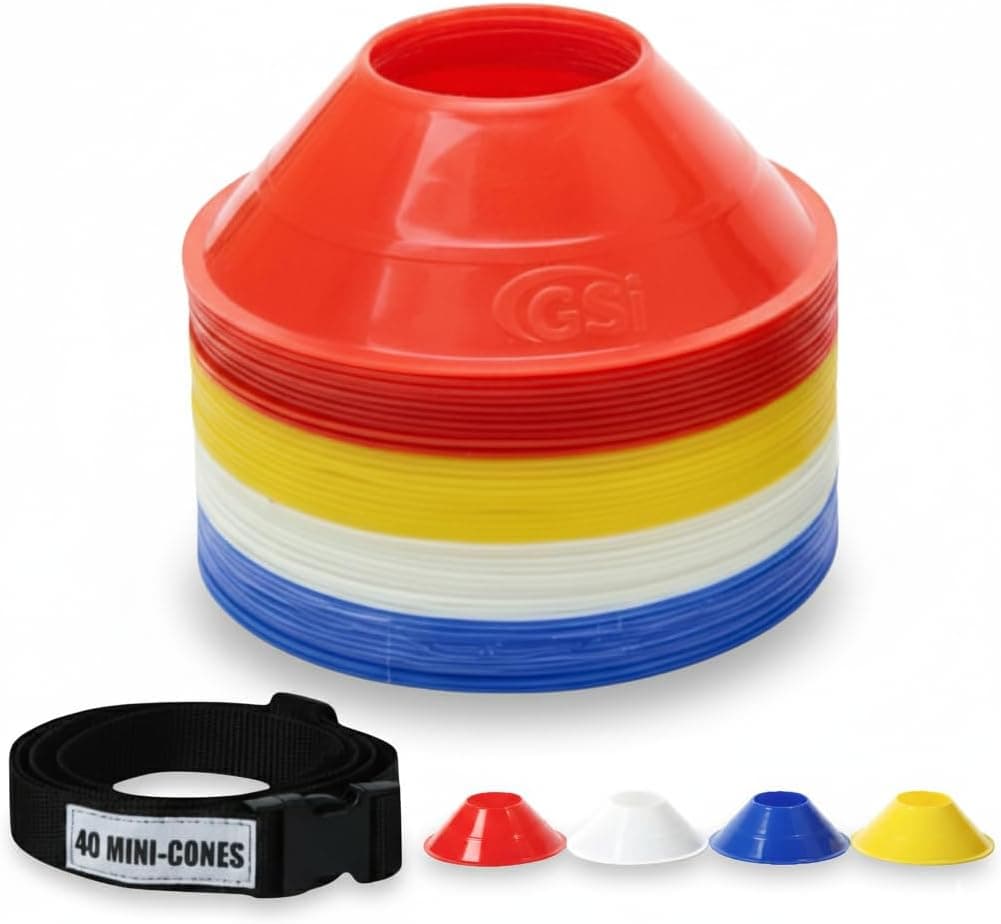
Disc Training Cones (Set of 40)
View on Amazon →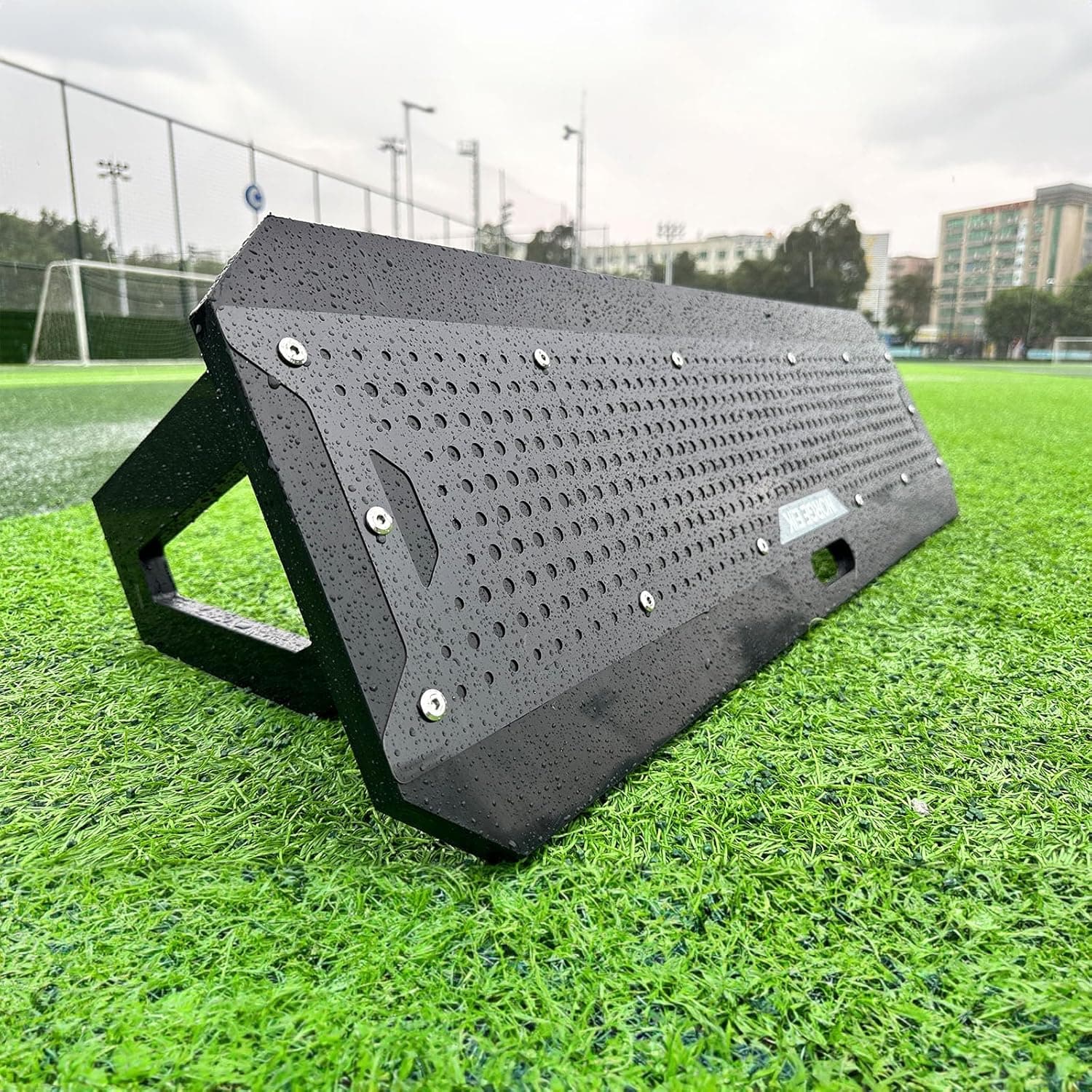
Soccer Rebounder
View on Amazon →As an Amazon Associate we earn from qualifying purchases, at no extra cost to you.