
5 Warning Signs of Soccer Burnout in Kids
December 1, 2025
Recognizing Soccer Burnout Before It's Too Late
Last spring, my daughter came home from practice, dropped her bag by the door, and said something that stopped me cold: "Dad, I don't think I want to play soccer anymore." This was a kid who used to sleep with her soccer ball. A kid who would beg me to set up cones in the backyard every single evening. And now, at just eleven years old, she was ready to walk away from the sport she once loved.
If you're a soccer parent, that sentence might send a chill down your spine. But here's the thing I've learned since that moment: burnout doesn't happen overnight. There are warning signs, subtle shifts in behavior and attitude that, if you catch them early enough, can be addressed before your child reaches the breaking point.
Youth soccer burnout is more common than most parents realize. Studies from the Aspen Institute's Project Play have found that 70% of kids drop out of organized sports by age 13, and burnout is one of the leading causes. The pressure to specialize early, play year-round, and constantly compete can take a tremendous toll on young athletes.
Warning Sign #1: Loss of Enthusiasm Before and After Games
Think back to when your child first started playing. Remember the excitement on game days? The way they'd put on their uniform hours early and pace around the house? One of the first signs of burnout is when that enthusiasm quietly disappears.
This doesn't always look like outright refusal. Sometimes it's subtle. Your child might drag their feet getting ready. They might stop talking about practice on the ride home. They might shrug when you ask how the game went. These small changes in energy and engagement are often the earliest indicators that something is shifting.
What you can do: Pay attention to the emotional temperature around soccer. If your child used to be animated and excited but now seems indifferent, don't dismiss it. Start a gentle, no-pressure conversation. Ask open-ended questions like, "What was the best part of practice today?" or "Is there anything about soccer that's been bothering you lately?"
One thing that helped us was shifting some of the training to home, on our own terms. When my daughter could work on skills in the backyard with music playing and zero pressure, it reminded her why she fell in love with the game. Platforms like Anytime Soccer Training gave us structured sessions that felt more like play than work, and that made a real difference in rekindling her spark.
Warning Sign #2: Increased Complaints About Physical Pain
Kids get bumps and bruises in soccer. That's normal. But when your child starts frequently complaining about aches, pains, headaches, or stomach aches — especially on practice or game days — it's worth paying close attention.
Sometimes these complaints are physical. Overuse injuries like Sever's disease, shin splints, and knee pain are genuinely common in youth soccer players who train year-round. But sometimes, these complaints are the body's way of expressing emotional or mental fatigue. Kids who are burned out may somatize their stress, meaning their emotional exhaustion manifests as physical symptoms.
What you can do: First, take every physical complaint seriously and consult a doctor if needed. Rule out genuine injury. But if the medical checks come back clear and the complaints persist specifically around soccer activities, consider that your child's body might be telling you what their words can't. A break, a reduction in training volume, or a shift to lower-pressure training at home can work wonders.
The Overtraining Trap
Many parents fall into the trap of thinking more is always better. If two practices a week are good, four must be better, right? Add in private lessons, extra clinics, and tournament weekends, and suddenly your ten-year-old has a training schedule that would challenge a college athlete.
The reality is that young bodies and minds need recovery time. The American Academy of Pediatrics recommends that children take at least one to two days off per week from organized sports and have at least two to three months off per year from any single sport. If your child's schedule doesn't allow for this, burnout isn't just possible — it's likely.
Warning Sign #3: Social Withdrawal from Teammates
Soccer is inherently social. Kids make some of their closest friendships on the field. So when a child who once loved hanging out with teammates starts pulling away — not wanting to carpool, sitting alone at tournaments, avoiding team social events — that's a red flag.
Social withdrawal can stem from several burnout-related issues. Your child might feel like they're not keeping up with their peers. They might be dealing with pressure from coaches or other parents. Or they might simply be so emotionally drained that social interaction feels like one more demand on their depleted energy.
What you can do: Create low-stakes social opportunities around soccer. Invite a teammate over for a backyard training session. Make it fun — set up challenges, play small-sided games, or follow along with a guided session from Anytime Soccer Training together. When the pressure of competition is removed and replaced with genuine fun, kids often reconnect with both the sport and their friends.
Warning Sign #4: Declining Performance Despite Increased Effort
This one is particularly tricky because it can create a vicious cycle. Your child notices their performance dropping. They try harder. They practice more. But the results keep declining. This leads to frustration, which leads to more effort, which leads to more fatigue, which leads to worse performance.
When a young athlete is burned out, their cognitive function, reaction time, and decision-making all suffer. They might seem "off" during games — making passes they'd normally complete, losing balls they'd normally win, or simply looking a step slow. This isn't laziness. It's exhaustion.
What you can do: Resist the urge to push harder. I know that's counterintuitive. When we see our kids struggling, our instinct is to help them work through it. But sometimes the most productive thing you can do is scale back. Reduce the intensity. Focus on the joy of the game rather than outcomes. Replace high-pressure training sessions with creative, self-directed practice at home where the emphasis is on exploration and fun rather than performance metrics.
Quality Over Quantity
One of the biggest lessons I've learned as a soccer parent is that quality of training matters far more than quantity. A focused, enjoyable 20-minute session in the backyard where your child is engaged and having fun will produce better development than a grueling two-hour session where they're going through the motions.
This is exactly why we started incorporating home training into our routine. Using the structured programs on Anytime Soccer Training, my daughter could work on specific skills at her own pace, in her own space, without anyone watching or judging. It took the pressure off completely, and ironically, her performance in games improved.
Warning Sign #5: Expressing a Desire to Quit
This is the most obvious sign, but it's also the one parents most often dismiss or try to talk their kids out of. When your child says they want to quit soccer, your first instinct might be to remind them of their commitment, or tell them they'll regret it, or point out how much money you've invested in the sport.
I get it. I've been there. But here's what I've learned: when a child expresses a desire to quit, they've usually been struggling for a while. This isn't an impulsive statement. It's the culmination of weeks or months of declining enjoyment.
What you can do: Listen first. Don't react. Don't lecture. Just listen. Ask them to help you understand what's changed. Sometimes the issue is specific and fixable — a coach they don't click with, a teammate dynamic that's toxic, a schedule that's too demanding. Other times, it's a broader sense of burnout that requires a more significant adjustment.
Consider offering alternatives before accepting a full quit. Would they like to take a break? Switch to a less competitive team? Focus on training at home for a while before deciding? Sometimes a reset is all a young player needs to fall back in love with the game.
Prevention Is Better Than Cure
The best approach to burnout is preventing it in the first place. Here are some strategies that have worked for our family:
- Protect free play time. Not every touch on the ball needs to be structured. Let your kids play for fun — in the backyard, at the park, with friends, with siblings. Unstructured play is where creativity and love of the game flourish.
- Diversify their sports experience. Playing multiple sports isn't just okay — it's beneficial. Cross-training prevents overuse injuries and keeps things fresh.
- Monitor the schedule. Sit down and honestly assess how many hours per week your child spends on soccer. If it's more than their age (i.e., a 10-year-old doing more than 10 hours), it might be too much.
- Make home training a positive experience. Use platforms like Anytime Soccer Training to provide structure without pressure. When kids can train on their own terms, it reinforces their sense of autonomy and ownership over their development.
- Check in regularly. Make it a habit to ask your child how they're feeling about soccer. Not about results or performance — about their feelings. Create a safe space where they can be honest without fear of disappointing you.
Our Story: Finding Balance Again
After my daughter told me she wanted to quit, we made some changes. We dropped one of her two club teams. We took two months completely off from organized soccer. During that time, she'd occasionally kick the ball around in the backyard — no pressure, no schedule. When she seemed ready, we introduced short, fun training sessions at home using Anytime Soccer Training.
Slowly, the spark came back. She started asking if she could practice. She started watching soccer on TV again. By the time the next season rolled around, she was genuinely excited to play — not because we pushed her, but because she'd been given the space to rediscover her own love for the game.
Today, she's playing on one team, training at home three times a week, and smiling on the field again. The lesson? Sometimes you have to slow down to speed up. Sometimes the best thing you can do for your young soccer player is give them the space to breathe.
Final Thoughts
If you've recognized any of these warning signs in your child, don't panic — but don't ignore them either. Burnout is reversible when caught early. The key is to prioritize your child's emotional well-being over any soccer goal, to listen more than you lecture, and to remember that the ultimate objective isn't a scholarship or a professional career. It's a lifelong love of the beautiful game.
And if you're looking for a way to keep your child engaged with soccer in a low-pressure, fun, and flexible way, I genuinely recommend checking out Anytime Soccer Training. It's been a game-changer for our family, and it might be exactly what yours needs too.
Gear we use for this
The kit our own players train with at home.

Adidas MLS Training Soccer Ball
View on Amazon →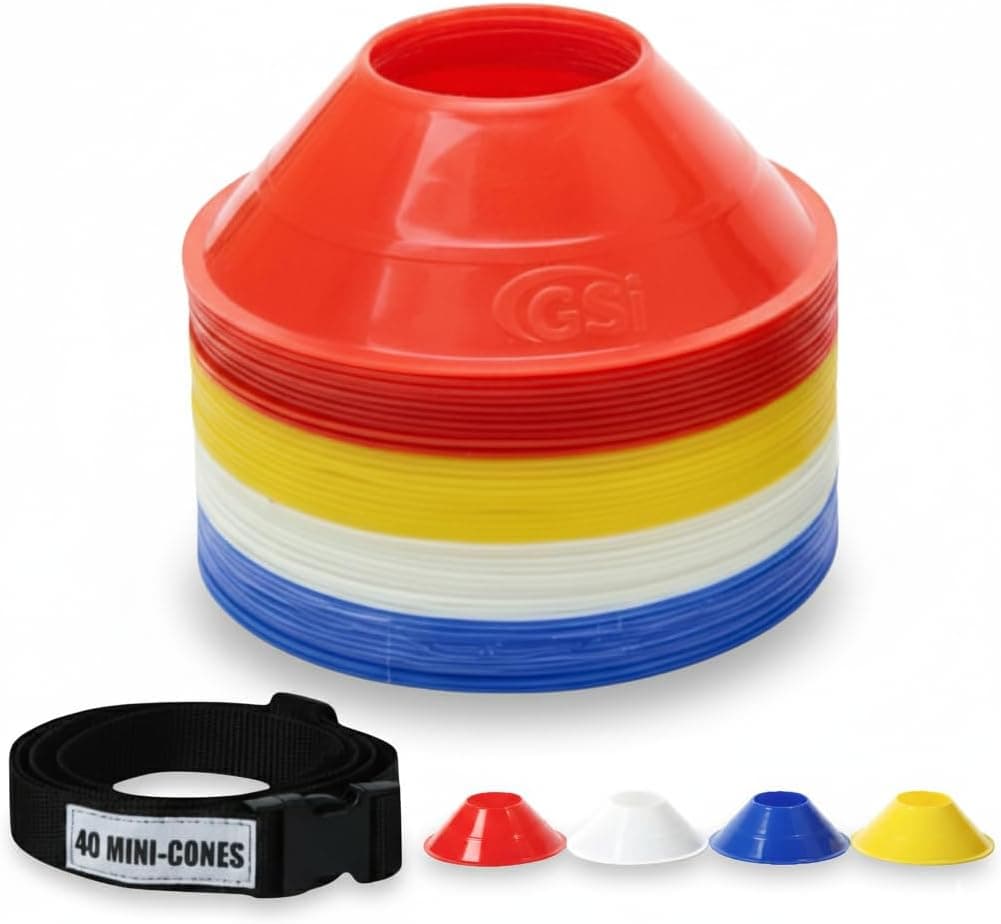
Disc Training Cones (Set of 40)
View on Amazon →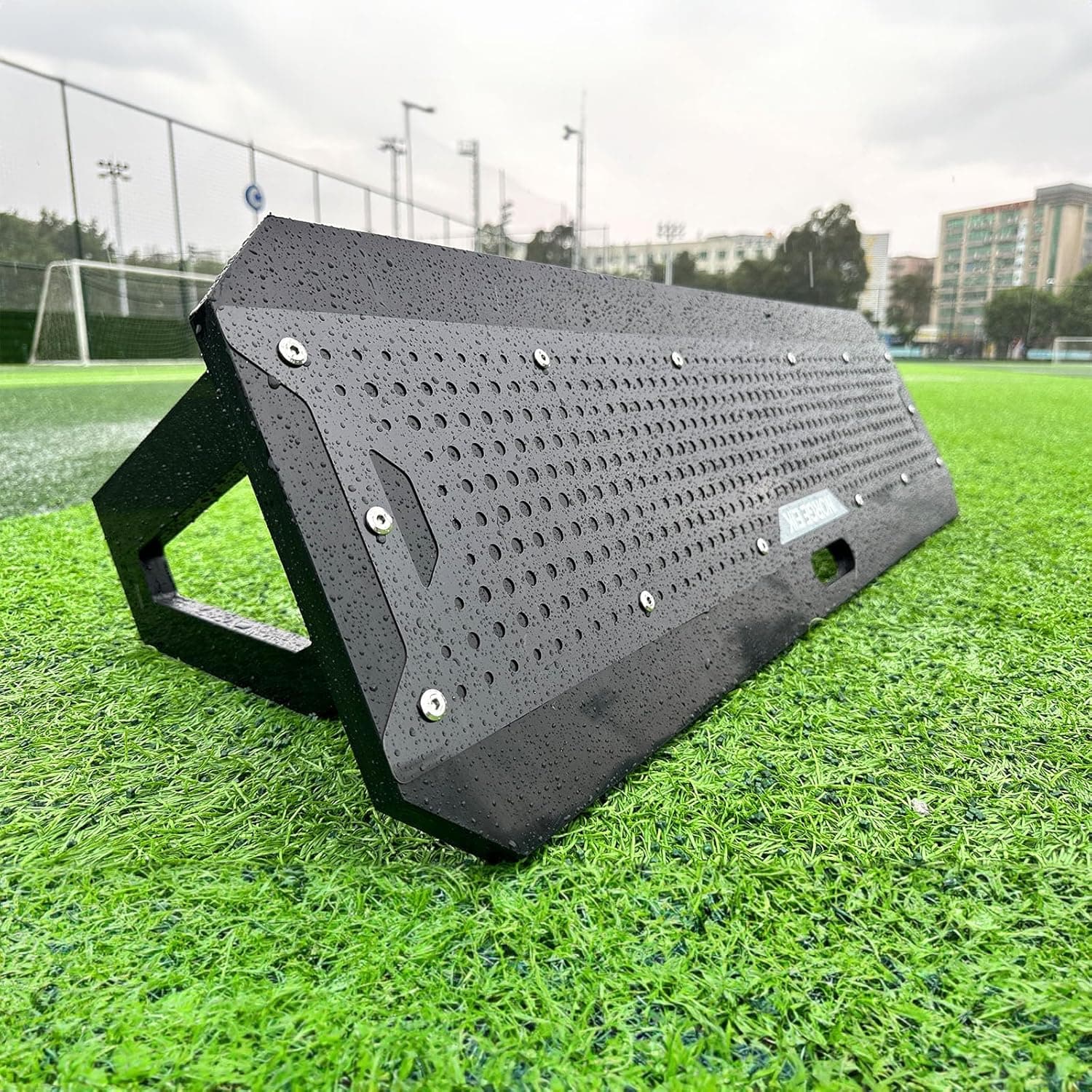
Soccer Rebounder
View on Amazon →As an Amazon Associate we earn from qualifying purchases, at no extra cost to you.