
1v1 Moves Every Kid Should Know
December 13, 2025
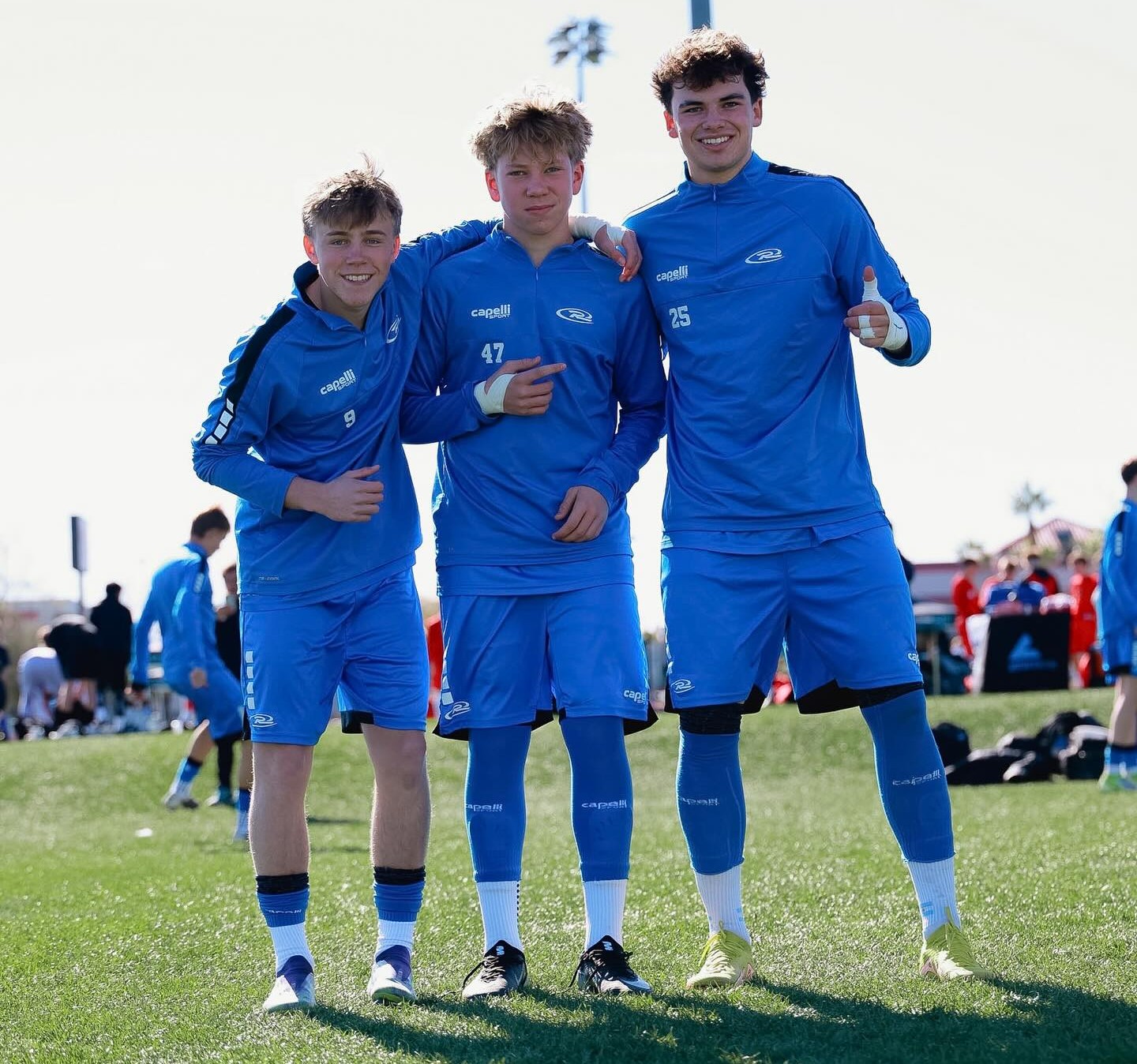
1v1 Moves Every Kid Should Know: Building a Moves Arsenal
There is a moment in every soccer game when your child finds themselves one-on-one with a defender. The ball is at their feet. Space is ahead of them. Everything depends on what happens in the next two seconds. Do they have a move to beat the defender? Or do they panic, lose the ball, and watch the opportunity evaporate?
Having a reliable set of 1v1 moves is one of the most empowering things a young soccer player can develop. It gives them confidence to take on defenders, creates goal-scoring opportunities, and makes them genuinely exciting to watch. And the best part is that every single one of these moves can be practiced at home with nothing more than a ball and a few cones.
Before We Start: The Principles of Beating a Defender
Before learning specific moves, your child needs to understand the principles that make any move work:
- Change of speed: Every effective move involves going from slow to fast. The move itself might be at moderate speed, but the acceleration after the move is what creates separation. Without the burst of speed after the move, even a perfect fake will not work.
- Selling the fake: The defender has to believe you are going one direction before you go the other. This means committing your body, your eyes, and your momentum to the fake before changing direction. A half-hearted feint is obvious and ineffective.
- Reading the defender: The best move to use depends on the defender's body position. Are they square? Overcommitted to one side? Backing off? Learning to read the defender is what separates players who have moves from players who use them effectively.
- Close the distance first: Moves are most effective when executed close to the defender, about two to three yards away. If you try a move from too far away, the defender has time to recover. Dribble toward them at moderate speed, then execute the move when you are close enough that they cannot adjust.
The Essential Moves
1. The Body Feint (The Shoulder Drop)
What it is: A simple shift of your upper body and weight to one side, causing the defender to react, followed by pushing the ball the opposite direction and accelerating.
Why it works: Defenders are trained to watch the attacker's body, not the ball. When your body commits one direction, the defender shifts to match. Then you are gone the other way.
How to practice:
- Set up a cone as a pretend defender
- Dribble toward the cone at moderate speed
- When you are 2-3 yards away, drop your left shoulder and lean left as if going that direction
- Immediately push the ball to the right with the outside of your right foot
- Accelerate past the cone
- Practice going both directions: drop right shoulder and go left, drop left shoulder and go right
Key coaching point: The bigger and more convincing the body movement, the more effective the feint. Encourage exaggeration in practice. It can always be refined later.
2. The Step-Over
What it is: Swinging one foot over and around the ball without touching it, then pushing the ball the opposite direction with the other foot.
Why it works: The circular motion of the foot going over the ball looks like a touch that is going to take the ball in that direction. The defender commits to that direction, and you take the ball the other way.
How to practice:
- Start with the ball stationary. Practice the step-over motion: right foot circles over the ball from inside to outside, landing next to the ball
- Immediately push the ball to the left with the outside of the left foot
- Once the motion is comfortable, add a dribble approach toward a cone
- Execute the step-over and accelerate past
- Progress to double step-overs: one with each foot before taking the ball
Key coaching point: The step-over needs to be done close to the ball. If the foot swings too wide, it is not convincing. And the push away after the step-over needs to be immediate and explosive.
3. The Cruyff Turn
What it is: Named after the legendary Johan Cruyff, this move involves faking a pass or shot, then pulling the ball behind your standing leg and turning 180 degrees.
Why it works: When you shape your body to pass or shoot, the defender commits to blocking that action. Instead, you pull the ball behind you and accelerate away in a completely unexpected direction.
How to practice:
- Start with the ball in front of you. Shape your body as if you are about to kick the ball forward
- Instead of kicking through, use the inside of your foot to chop the ball behind your standing leg
- Turn your body 180 degrees and accelerate with the ball in the new direction
- Practice with both feet: right foot Cruyff turn and left foot Cruyff turn
- Add an approach dribble toward a cone and execute the turn when you arrive
Key coaching point: The convincing fake before the turn is what makes this move devastating. If you do not look like you are genuinely about to pass or shoot, the defender will not bite.
4. The Pull-Back
What it is: Using the sole of the foot to drag the ball backward, then pushing it in a new direction. Simple but highly effective, especially in tight spaces.
How to practice:
- Dribble forward toward a cone
- When you reach the cone, place the sole of your foot on top of the ball and drag it backward
- Immediately push the ball to the side with the inside of the same foot or the other foot
- Accelerate away in the new direction
- Practice pull-back to the left, pull-back to the right, and pull-back straight back
Key coaching point: The pull-back should be done quickly and firmly. A tentative pull-back allows the defender to adjust. Speed and decisiveness are everything with this move.
5. The Matthews Cut (Inside-Outside)
What it is: Named after Sir Stanley Matthews, this move involves pushing the ball one direction with the inside of the foot, then quickly cutting it back the other direction with the outside of the same foot.
How to practice:
- Dribble toward a cone at moderate speed
- Push the ball to the right with the inside of the right foot, as if going that direction
- Immediately cut the ball back to the left using the outside of the right foot
- Accelerate past the cone to the left
- Practice with both feet and in both directions
Key coaching point: The first touch needs to be convincing enough that the defender shifts, but not so big that you lose control of the ball. Keep both touches close to the body.
6. The Scissors
What it is: Similar to the step-over, but the foot goes around the ball from outside to inside rather than inside to outside. The scissors motion fakes the defender into thinking you are taking the ball in one direction.
How to practice:
- Dribble toward a cone
- Swing the right foot around the ball from outside to inside in a scissor motion
- Push the ball to the right with the outside of the left foot
- Accelerate past the cone
- Practice with alternating feet and try double scissors for more deception
How to Build a Training Routine Around 1v1 Moves
Here is a simple structure for a 20-minute session focused on 1v1 moves:
- Minutes 1-3: Warm up with free dribbling and light ball mastery
- Minutes 3-8: Practice Move 1 in isolation against a cone. 10 reps, then switch to the other side or the other foot.
- Minutes 8-13: Practice Move 2 the same way.
- Minutes 13-17: Combo drill: dribble toward a cone, choose which move to use, execute, and accelerate. Vary the move each time.
- Minutes 17-20: 1v1 game against a parent or sibling. Apply the moves in a live situation. Keep the area small to force close-quarters skill use.
Anytime Soccer Training has excellent video demonstrations of all of these moves with coaching cues, slow-motion breakdowns, and progressive practice structures. Watching the move performed correctly before practicing it dramatically accelerates the learning process.
From Practice to Game Day
There is a gap between being able to do a move against a cone and using it in a game against a real defender. Here is how to bridge that gap:
- Stage 1: Practice the move in isolation against cones until the technique is clean
- Stage 2: Practice against a passive human defender who does not try to win the ball
- Stage 3: Practice against an active but controlled defender
- Stage 4: Use the move in low-pressure game situations like pickup games
- Stage 5: Deploy the move in competitive games
Encourage your child to attempt their practiced moves in games even if they fail. The first few attempts might not work, and that is okay. Game execution improves with game repetitions. A player who attempts 1v1 moves and sometimes fails is developing far faster than a player who never tries.
Equip your child with these moves, give them the practice time to build confidence, and watch them transform from a player who avoids 1v1 situations into one who relishes them.
Gear we use for this
The kit our own players train with at home.
Adidas MLS Training Soccer Ball
View on Amazon →
Disc Training Cones (Set of 40)
View on Amazon →
Soccer Rebounder
View on Amazon →As an Amazon Associate we earn from qualifying purchases, at no extra cost to you.