
The Hidden Cost of Not Training at Home
March 29, 2026
The Hidden Cost of Not Training at Home
We spend a lot of time talking about the benefits of home training. Better skills, more confidence, faster development, all of which are true. But today I want to flip the conversation and talk about something most parents have not considered: what it costs when your child does not train at home. Because there are real, tangible costs, and they go far beyond just missing out on extra ball touches.
This perspective hit me hard when I realized how much money, time, and opportunity we had wasted in the early years by relying solely on team training. Before we started home training, we were investing thousands of dollars per year in club fees, tournaments, and equipment, and our son was not developing at the rate we expected. The return on our soccer investment was poor, and the reason was simple: team training alone was not enough.
The Financial Cost
Let us start with the most concrete cost: money. If your child is playing travel or competitive soccer, you are likely spending somewhere between two thousand and seven thousand dollars per year on club fees, tournaments, equipment, and travel. That is a significant financial commitment.
Now consider this: if your child is only training at team practice and not doing any individual work at home, the effectiveness of that investment is dramatically reduced. Your child is getting maybe ninety minutes of ball contact per week at team practice (and that is being generous, given the time spent in lines, listening to instructions, and playing in group activities where ball touches are limited).
Compare that to a child who supplements team training with fifteen minutes of individual practice at home every day. That child gets an additional one hundred five minutes of pure, focused ball contact per week. Over a year, that is roughly ninety additional hours of individual skill development. And this additional training can be achieved for essentially no extra cost beyond a subscription to a program like Anytime Soccer Training.
So the child without home training is paying the same club fees but getting a fraction of the developmental benefit. The cost per minute of actual skill development is dramatically higher for the child who is not training at home. You are paying for an expensive team experience but leaving the most impactful part of development, individual skill training, on the table.
The Opportunity Cost
The golden age of motor learning, roughly ages six to twelve, is a finite window. The brain's capacity for rapid motor skill acquisition during this period is biologically determined, and once the window starts to close in adolescence, the rate of skill acquisition slows significantly.
Every week that passes during the golden age without individual skill training is a week of missed opportunity that cannot be recovered later. A ten-year-old who is not training at home is burning through irreplaceable developmental time. The same training at age fifteen will produce results, but at a much slower rate.
I think about this with my first son and it genuinely causes me regret. We did not start home training until he was eleven. By then, the golden age window was already starting to narrow. He still improved significantly, but I know he would have been a much more technically developed player if we had started at seven or eight. Those three or four years of missed home training during peak development are time we can never get back.
This opportunity cost is invisible. You do not see a bill for it. You do not feel it in the moment. But years later, when your child is trying out for competitive teams and does not have the technical foundation that other players built during the golden age, the cost becomes painfully apparent.
The Confidence Cost
There is a psychological cost to not training at home that is often overlooked. A child who only develops their skills at team practice is constantly comparing themselves to teammates and opponents. If their rate of improvement is average (because they are only getting average amounts of practice), they may feel stuck, frustrated, or inadequate.
Contrast this with a child who trains at home daily and can feel themselves getting better week by week. The daily progress, even if it is small, builds a sense of momentum and confidence that is incredibly valuable. They walk onto the practice field knowing they have put in the work, and that knowledge gives them a psychological edge.
The confidence cost of not training at home shows up in games. A player who is not confident in their skills will avoid the ball, play safe, and defer to more confident teammates. They become passive participants rather than active contributors. Over time, this passivity becomes a habit that is hard to break, even if their skills eventually improve.
I watched this happen with my older son before we started home training. He was a timid player who avoided pressure situations and passed the ball as quickly as possible whenever he received it. Not because he lacked ability, but because he lacked the confidence that comes from repetition. Once we started training at home and his skills sharpened, his confidence grew, and he became a completely different player. But we lost years to timid play that could have been avoided.
The Enjoyment Cost
Here is a cost that might surprise you: children who are not developing their skills often enjoy soccer less over time. This seems counterintuitive because you might think that kids who do not train are having more fun since they have more free time. But the research and my personal observation suggest otherwise.
Children derive enjoyment from competence. They enjoy things they are good at and avoid things they struggle with. A child who is falling behind their peers technically will gradually enjoy soccer less because the gap between their ability and the game's demands is growing. They experience more frustration, more mistakes, and more moments of feeling inadequate.
Conversely, a child who is developing through home training enjoys soccer more because they are experiencing the satisfaction of improvement. They are making plays in games that they could not have made a month ago. They are earning positive feedback from coaches and respect from teammates. The game becomes more fun as they get better at it.
The irony is that parents who avoid home training to "not put too much pressure on their child" may actually be setting their child up for less enjoyment in the long run. A moderate daily training commitment that keeps the child developing and confident often leads to more enjoyment than no training at all.
The Competitive Cost
Youth soccer is becoming increasingly competitive, and the reality is that the players who train at home have a significant advantage over those who do not. This competitive gap is widening because more and more families are recognizing the importance of individual training and incorporating it into their routines.
If your child is not training at home and their peers are, the gap between them will grow over time. Not because your child is getting worse, but because the bar is being raised by kids who are putting in extra work. At tryouts, in games, and in coaching decisions about playing time, the technically developed players will be favored.
This is not about creating an arms race or pressuring kids to train obsessively. It is about recognizing the reality of the competitive landscape and ensuring your child has every opportunity to succeed if they want to play at higher levels. If your child is content playing recreational soccer and having fun regardless of skill level, home training is less critical. But if your child has ambitions to play competitively, home training is not optional; it is essential.
What It Cost Us Before We Started
Let me share specifically what it cost our family before we started home training:
Years one through three (no home training):
- Spent approximately twelve thousand dollars on club fees, tournaments, and equipment over three years
- Son's technical development was slow and frustrating
- Was cut from a travel team he wanted to make
- Confidence on the field was low
- Started losing interest in soccer by age ten
- We considered quitting altogether
Years four through six (with daily home training):
- Spent approximately the same on club fees plus a small amount for home training program and equipment
- Technical development accelerated dramatically
- Made the travel team that had previously cut him
- Confidence soared
- Fell back in love with soccer
- Now actively pursuing competitive pathways
The financial investment was roughly the same in both periods. But the return on that investment was dramatically different because of one simple addition: fifteen minutes of daily home training.
The Good News
The good news is that this cost is entirely avoidable. It is never too late to start home training, and the barrier to entry is incredibly low. You need:
- A soccer ball (fifteen to twenty-five dollars)
- A small space (a garage, basement, or corner of the yard)
- Fifteen minutes per day
- A structured program like Anytime Soccer Training to follow
That is it. The total additional cost is minimal, the time commitment is manageable, and the impact on your child's development, confidence, and enjoyment is enormous.
Every day you wait to start is a day of development your child does not get back. The golden age window is open right now, and every week of consistent training during this window produces outsized returns. Do not look back in three years and wish you had started today.
The Choice
You are spending the money on soccer either way. Club fees, equipment, tournaments, gas; the costs are already there. The question is whether you are going to maximize the return on that investment by adding the one thing that makes the biggest difference: daily individual training at home.
Fifteen minutes a day. That is the difference between a soccer investment that produces average results and one that produces extraordinary results. The cost of not training at home is real, it is significant, and it is entirely within your power to eliminate.
Start today. Your child's development, confidence, and love of the game are worth fifteen minutes.
Gear we use for this
The kit our own players train with at home.
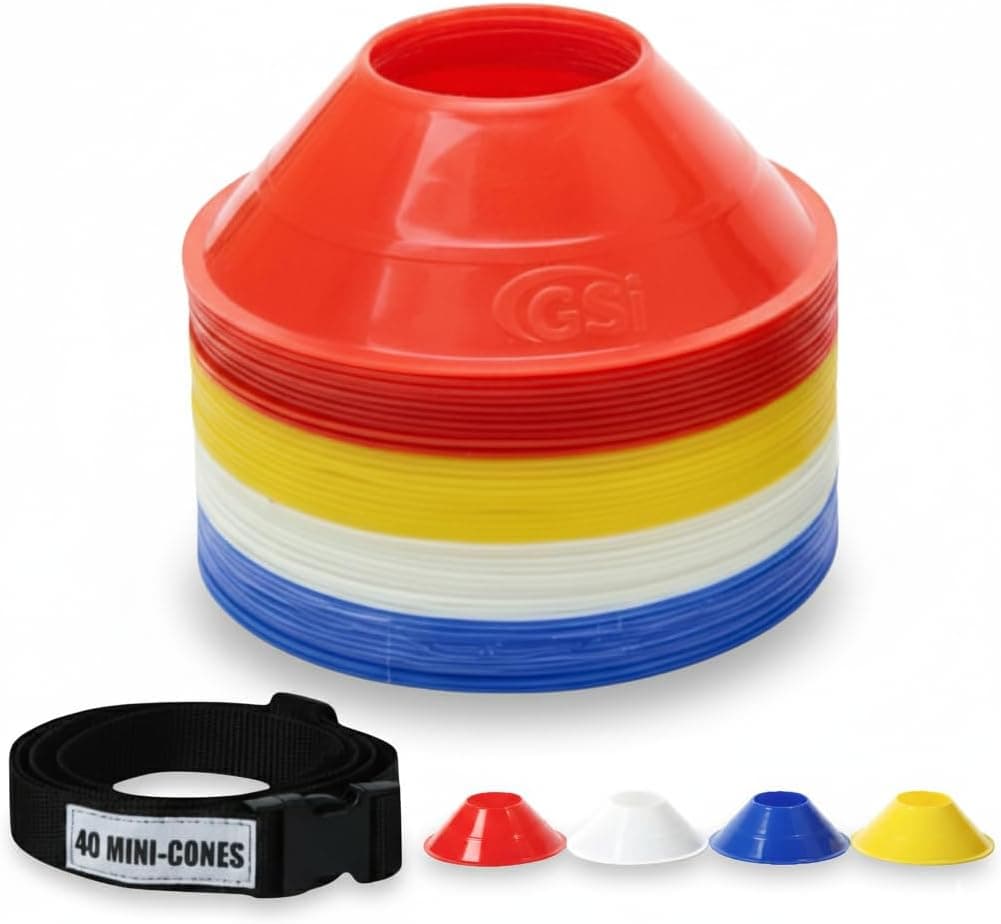
Disc Training Cones (Set of 40)
View on Amazon →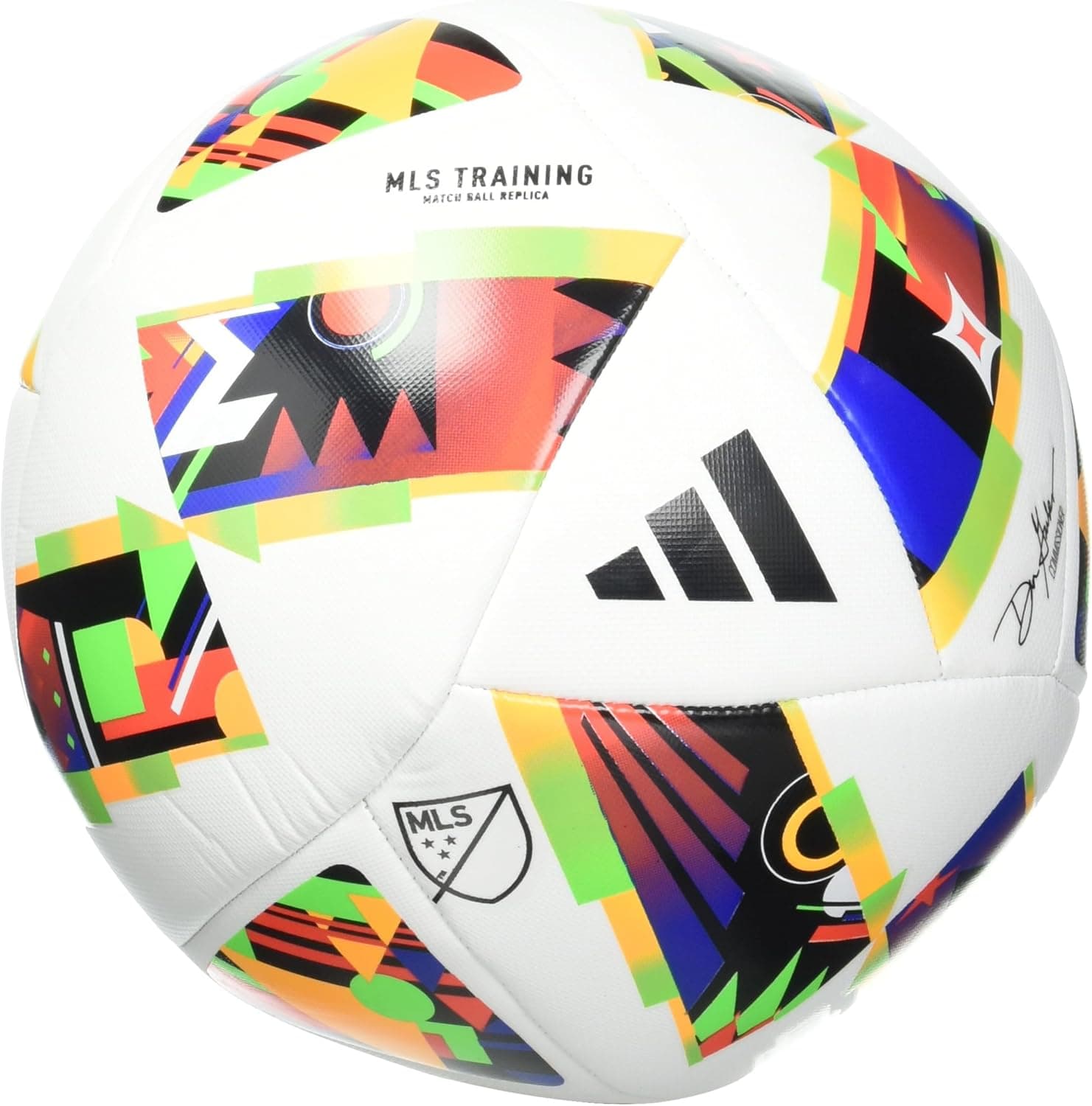
Adidas MLS Training Soccer Ball
View on Amazon →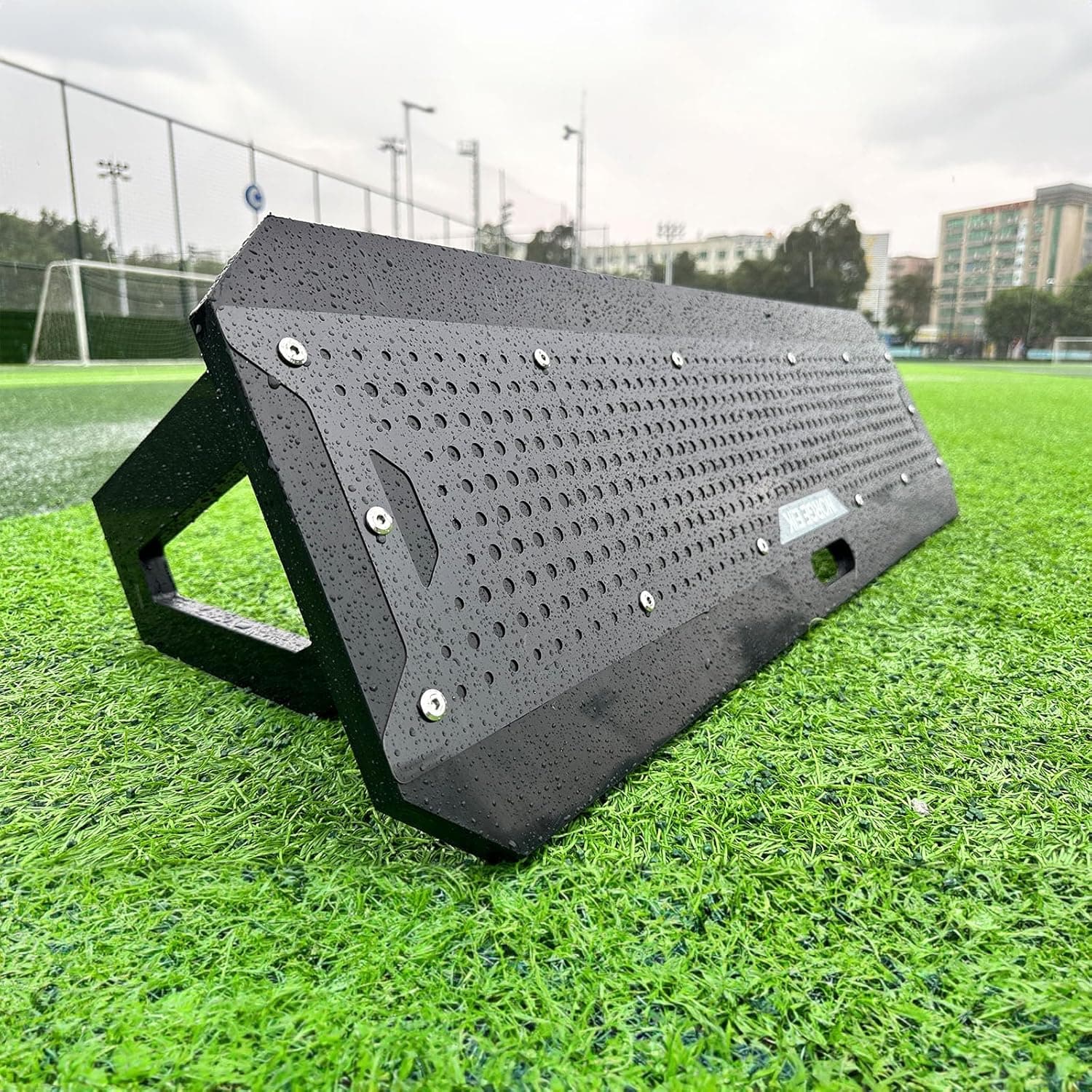
Soccer Rebounder
View on Amazon →As an Amazon Associate we earn from qualifying purchases, at no extra cost to you.