
The Day My Son Asked If We Could Train Instead of Watch TV
March 31, 2026
The Day My Son Asked If We Could Train Instead of Watch TV
It was a Wednesday evening, about seven thirty. Dinner was done, homework was finished, and we were settling in for our usual routine: plop on the couch and watch whatever was on. My son was holding the remote, scrolling through options, when he suddenly put it down and said something that stopped me in my tracks.
"Dad, can we go train instead?"
I stared at him for a moment, convinced I had misheard. This was the same kid who, six months earlier, had to be dragged to training sessions. The same kid who would complain for the first five minutes of every session. The same kid who had once told me he did not like practicing. And now he was voluntarily choosing training over television.
That moment was the culmination of everything we had been working toward, and it taught me the most important lesson of my entire parenting journey: when training becomes the fun thing, everything changes.
How We Got There
The journey to that Wednesday evening was not a straight line. It was messy, frustrating, and full of moments where I questioned whether we were doing the right thing. Let me take you through it, because I think the full story is important for any parent who is in the early stages of establishing a home training routine and wondering if it will ever feel natural.
When we first started training at home, it was entirely parent-driven. I set the schedule, I chose the activities, I managed the clock. My son participated because I told him to, not because he wanted to. And honestly, the first few weeks were a battle of wills. He would resist, I would insist, and neither of us was having a great time.
The turning point came when I made three changes to our approach that, in hindsight, were the keys to everything that followed.
Change 1: I Stopped Being the Coach
The first change was getting myself out of the instructor role. When I was trying to coach my son through drills, demonstrating (poorly) what he should be doing, and correcting his technique, the dynamic between us was terrible. He did not want to be coached by his dad, and I was not qualified to coach him anyway.
When we switched to using Anytime Soccer Training, the dynamic completely changed. The professional coach on screen became the instructor, and I became the cheerleader. My son followed along with someone who actually knew what they were doing, and I sat nearby offering encouragement and celebrating his progress.
This shift was transformational. Our training sessions went from a source of conflict to a source of connection. I was no longer the taskmaster; I was the supporter. He was no longer being corrected by his dad; he was being guided by a coach. And the relationship between us during training went from adversarial to collaborative.
Change 2: I Let Him Choose
The second change was giving my son choice within the training structure. Instead of dictating what we would work on each day, I started offering options. "Do you want to do the ball mastery session or the dribbling session today?" "Should we work on shooting or first touch?"
The content of the training did not change dramatically, but the feeling of ownership did. When my son chose what to work on, he was more engaged because it was his decision. He was invested in the session because he had selected it, rather than having it imposed on him.
Some days he made choices that I would not have made. He would want to work on tricks instead of fundamentals, or he would pick a shooting session when I thought he needed ball mastery. I learned to let it go. Any training is better than no training, and a child who is engaged and motivated will learn more from a session they chose than from a session they were forced into.
Change 3: I Made It Part of Our Story
The third change was the most subtle but possibly the most powerful. I started treating our training time as something special that we shared together, not as a chore to be completed. I would refer to it as "our time" and talk about it as something I looked forward to, not something we had to do.
This reframing mattered because children pick up on their parents' attitudes far more than their words. If I was treating training as an obligation, my son would feel it was an obligation. When I started genuinely looking forward to it and communicating that excitement, my son began to mirror that attitude.
We also started building rituals around training. We had a specific playlist we would listen to while setting up. We had a fist bump we would do before starting. We had a tradition of reviewing the session after it was done and picking one thing that went really well. These small rituals turned training from a task into an experience, and experiences are what children remember and want to repeat.
The Gradual Shift
These three changes did not produce an overnight transformation. The shift from resistance to enthusiasm happened gradually, over the course of about three to four months. Here is how it progressed:
Month 1: Still mostly parent-driven. My son would participate without complaining but was not initiating training on his own. Effort level was moderate.
Month 2: Starting to engage more. He would occasionally ask what session we were doing that day, which showed he was thinking about it. Some days he would choose to extend the session by a few minutes. Effort level was increasing.
Month 3: A noticeable shift. He was reminding me about training if I forgot. He was talking about skills he wanted to learn. He was practicing moves on his own in the yard without being prompted. Effort level was high and self-motivated.
Month 4: Training had become a genuine desire rather than an obligation. He was initiating sessions, choosing progressively harder programs, and getting frustrated when external circumstances prevented training (bad weather, family events, etc.). This was when he asked to train instead of watching TV.
Why Training Became the Fun Thing
Looking back, I can identify several factors that contributed to training becoming something my son genuinely chose over other entertainment:
Improvement is inherently rewarding. Humans, including children, are motivated by a sense of progress. When my son could feel himself getting better, when he could do things today that he could not do last week, that sense of growth was deeply satisfying. More satisfying, apparently, than passive entertainment like television.
Mastery is addictive. There is something profoundly compelling about the process of mastering a skill. The struggle, the practice, the gradual improvement, and finally the moment of execution. My son got hooked on that cycle. Each mastered skill created a desire to master the next one, creating a self-perpetuating loop of motivation.
Training became associated with positive emotions. Through the changes I made, our training sessions became a source of fun, connection, and accomplishment. My son associated training time with feeling good about himself, bonding with his dad, and achieving things he was proud of. Those positive emotional associations made training something he wanted to do rather than something he had to do.
Competence fuels confidence, which fuels enjoyment, which fuels more training. As my son's skills improved through training, his confidence grew. As his confidence grew, he enjoyed games more. As he enjoyed games more, he wanted to train more so he could do even better. This virtuous cycle is the holy grail of youth sports development, and it all starts with consistent training.
What This Means for You
If your child currently views training as a chore, I want you to know that it does not have to stay that way. The shift from resistance to enthusiasm is absolutely possible, but it requires patience and the right approach.
Here is what I would recommend based on our experience:
- Remove yourself from the instructor role. Use a follow-along program like Anytime Soccer Training where a professional coach does the teaching and you provide the encouragement.
- Give your child choices. Let them select what they want to work on within a structured framework. Ownership creates engagement.
- Make training special. Create rituals, play music, build traditions around your training time. Make it an experience, not a task.
- Be patient. The shift from obligation to desire takes months, not days. Stay consistent and trust the process.
- Celebrate everything. Every new skill, every personal record, every day of showing up. Positive reinforcement builds positive associations.
- Keep it short. Fifteen minutes is enough. A child who ends every session wanting more will come back tomorrow. A child who ends every session exhausted and bored will not.
The Ripple Effects
That Wednesday evening when my son chose training over TV was not an isolated moment. It was the beginning of a new normal. Training became his default activity. When he was bored, he would grab a ball. When he had free time, he would pull up a session. When friends came over, they would train together in the yard.
The ripple effects extended beyond soccer. The discipline of daily training transferred to his homework habits. The confidence from athletic improvement spilled into his social life. The growth mindset he developed through mastering skills influenced how he approached challenges in other areas. Soccer training became a vehicle for broader personal development in ways I never expected.
A Final Thought
I used to think the goal of home training was to make my son a better soccer player. And it did that. But the real gift was something bigger. It was the transformation of training from something imposed to something desired. It was the moment my son discovered that the joy of getting better at something through your own effort is one of the best feelings in the world.
That lesson, that effort leads to improvement and improvement leads to joy, is one that will serve him for the rest of his life, in soccer and in everything else.
If you are in the early days of home training and it feels like a battle, keep going. It will not always feel this way. The day will come when your child puts down the remote and asks if you can go train. And when that day comes, you will know that everything you invested was worth it.
Start the journey with Anytime Soccer Training and give your child the tools to fall in love with the process of getting better. Because when training becomes the fun thing, the sky is the limit.
Gear we use for this
The kit our own players train with at home.

Adidas MLS Training Soccer Ball
View on Amazon →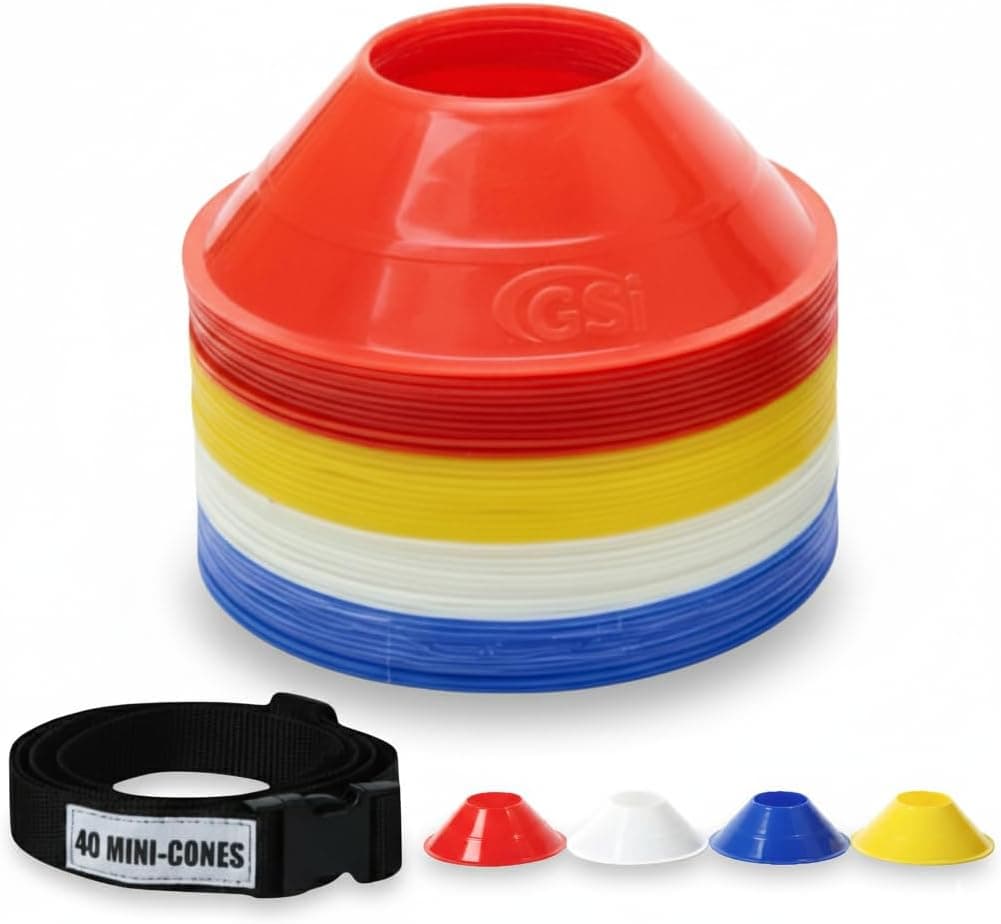
Disc Training Cones (Set of 40)
View on Amazon →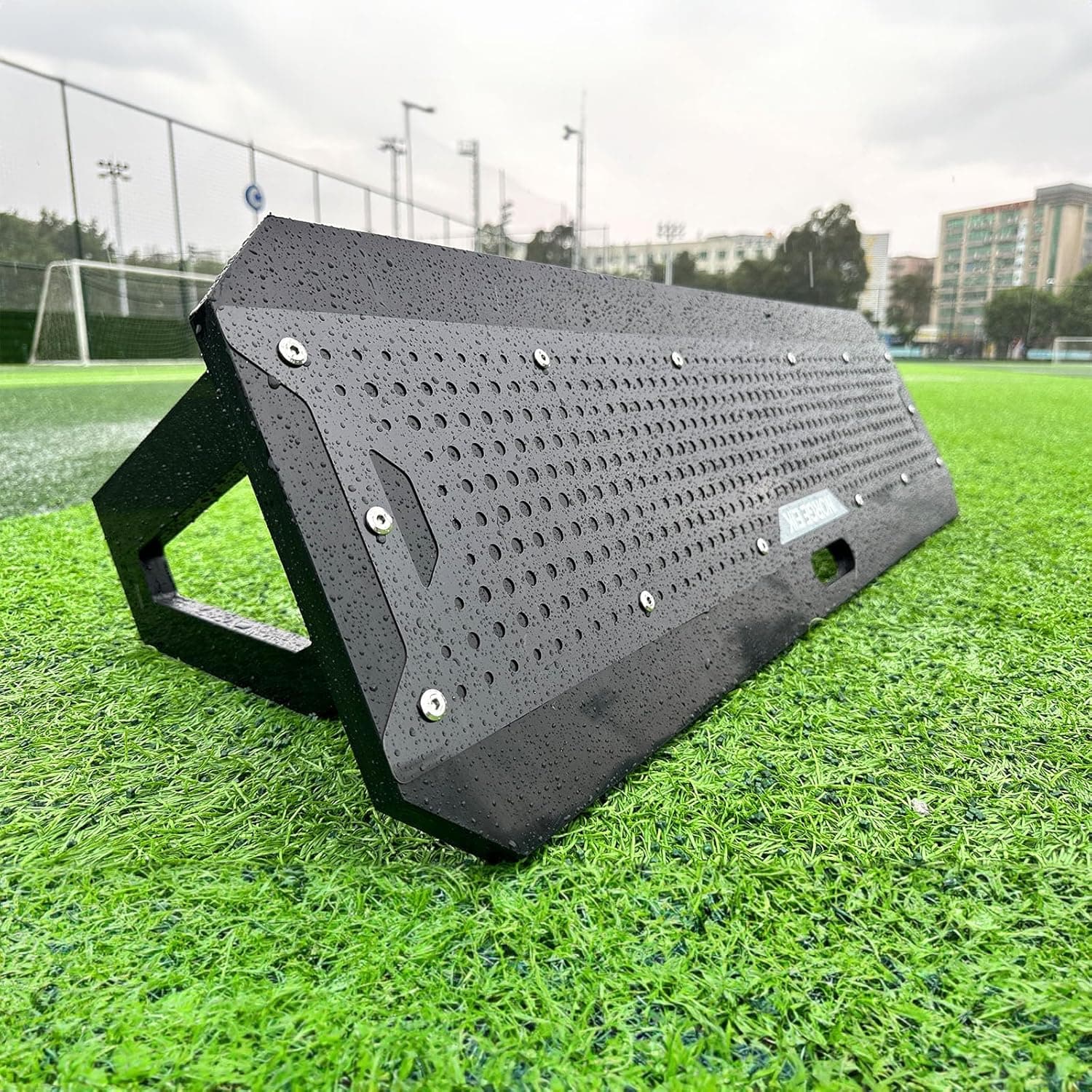
Soccer Rebounder
View on Amazon →As an Amazon Associate we earn from qualifying purchases, at no extra cost to you.