I get a lot of questions about how Anytime Soccer Training actually works under the hood — what the labels mean, why the videos are structured the way they are, and why I built the program the way I did. So I dedicated this episode to answering all of it directly.
If you've ever looked at a video in the program and wondered what “QR” or “FR” means — or if you've ever been curious why the videos don't include a lot of detailed technical instruction — this one is for you.
What QR and FR Actually Mean
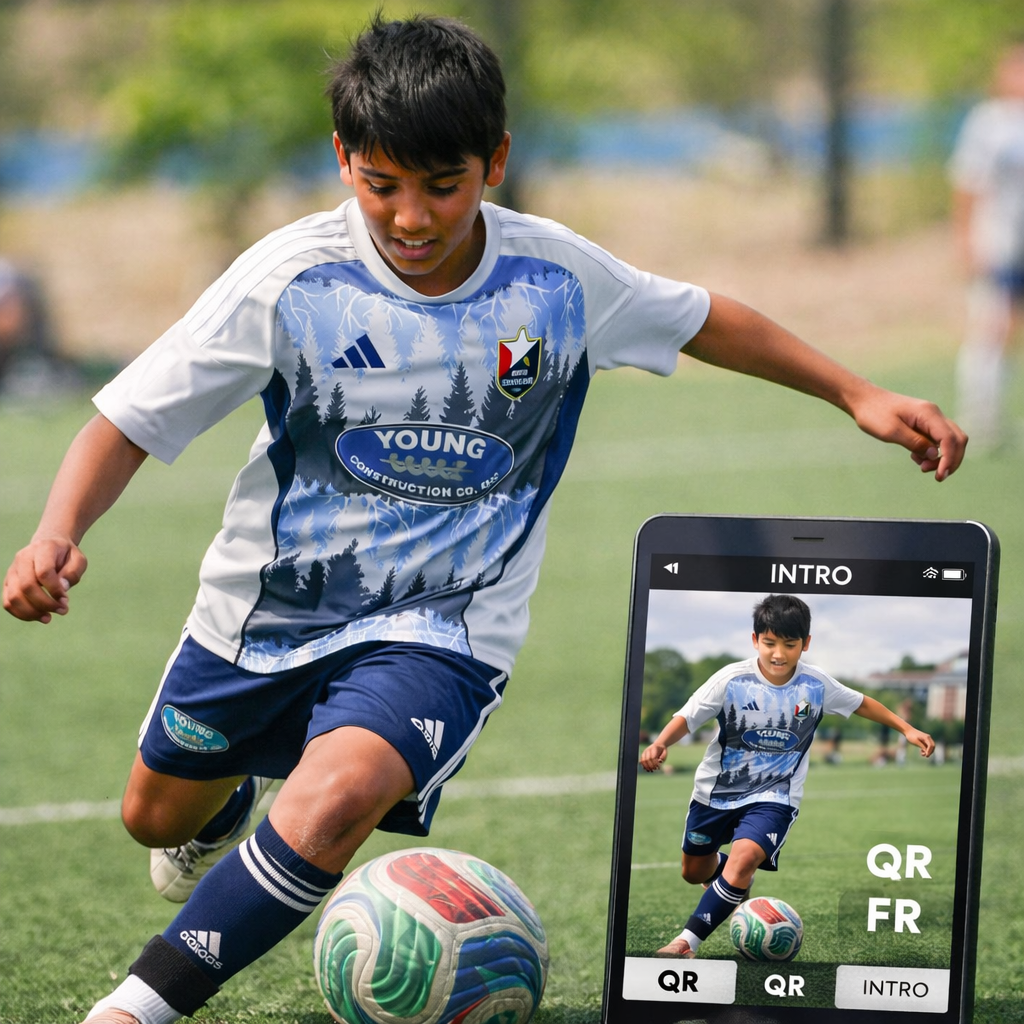
Every video in Anytime Soccer Training carries one of three labels: Intro, QR, or FR. These aren't random — they tell you exactly where that video sits in the learning sequence.
The first time your child encounters a new move. Slow-motion demo followed by interval-based practice to lock in the pattern.
Covers two previously learned moves. Keeps earlier skills active while new ones are being added.
Covers every move in the current block. The full loop — ensures nothing gets lost as the library grows.
The system is designed so that your child builds on top of what they already know. Every new move gets introduced, reviewed quickly, and then reviewed comprehensively. Nothing falls through the cracks.
How the Curriculum Is Structured
The structure behind each video is the part most people don't see — but it's where most of the value lives. Here's how it actually works:
“The algorithm takes care of the repetitions. Your job as the parent or coach is to watch, observe, and give specific feedback — not to manage the sequence.”
Why There Isn't More Technical Instruction in the Videos
This is one of the questions I get most often — and it's a fair one. If you've spent time on YouTube watching detailed technical breakdowns, you might wonder why AST videos don't go deeper on the “how to do it” side.
Here's my honest answer: I believe 90 to 95 percent of skill development comes from repetition and the right structure — not from verbal instruction delivered through a screen. The program is built around maximizing ball touches in the least amount of time. Lengthy explanations work against that.
YouTube and social media are genuinely excellent for technical breakdowns. That content exists, it's free, and it's well done. What's harder to find — and what AST specifically provides — is a structured, sequential system that ensures your child is putting in the right reps, in the right order, consistently over time.
The videos are a training tool, not a coaching replacement. The parent's or coach's role is to observe in person and give specific feedback based on what they're actually seeing. No video can do that. The structure handles the repetitions — you handle the coaching.
How Long Will This Program Last My Child?
One of the things I'm most proud of is that the program is designed to last 10 to 15 years without your child ever repeating a video. Over 5,000 training videos covering every major individual skill area — and we're still adding new content including a recently updated finishing series.
The point is that the program grows with your child. It's not a three-month plan or a single-skill course. It's a complete development system built for the long haul.
Join free, access training content right away, and upgrade for less than the cost of a dinner for two. For an entire team, it's less than a cup of coffee per player per year.
Join Anytime Soccer Training Free →