
Before and After 6 Months of Daily Training
March 27, 2026
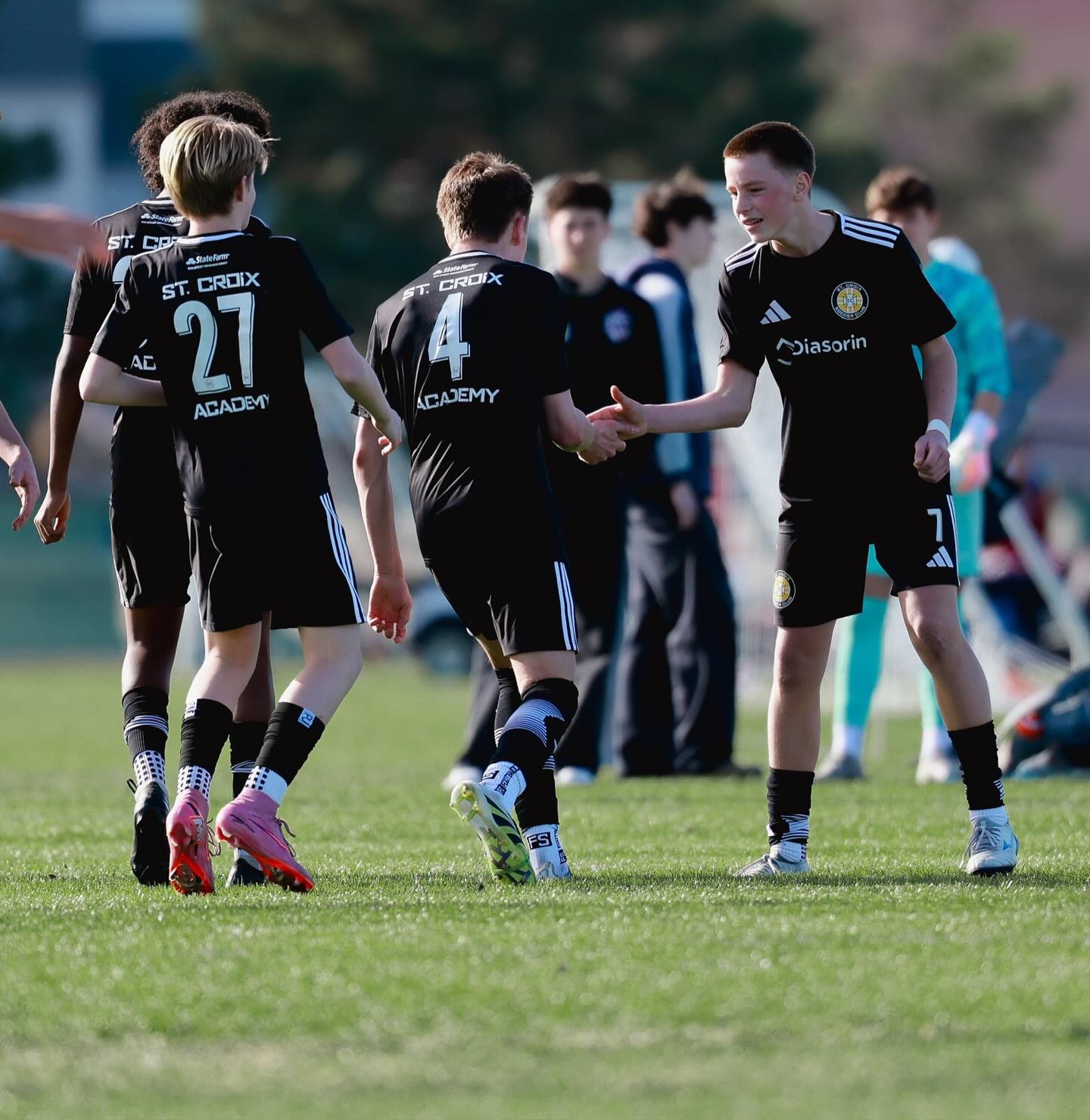
Before and After: 6 Months of Daily Training
Six months. One hundred and eighty-two days. That is the timeline for this transformation story, and I am sharing it because I think mid-year check-ins are just as important as full-year results. Not every family can commit to a year-long journey right away. Sometimes you need to see what six months can do to believe it is worth starting.
This is the story of my younger son's first six months of consistent daily home training, and the changes we have seen have exceeded every expectation I had.
The Starting Point
My younger son was eight years old when we began this journey. He was playing on a recreational team and was solidly middle-of-the-pack in terms of ability. He had good energy and a great attitude, but technically he was behind many of his peers, particularly the ones who had been doing extra training or who had parents with soccer backgrounds.
Here is where he stood on day one:
- Juggling: Could not do more than 3 consecutive touches without losing the ball
- Ball mastery routine: Could not complete even the beginner routine without multiple errors and stops
- First touch (wall passes, one minute, both feet): 11 clean receives out of roughly 20 attempts
- Dribbling (ten-cone course): 34 seconds with multiple ball-away moments
- Weak foot confidence (self-rated): 2 out of 10
- Overall coach assessment: "Enthusiastic but needs significant technical improvement"
- Game impact: Rarely involved in play. Chased the ball but did not create opportunities.
This was a kid who loved soccer but did not yet have the tools to express that love on the field. And as a parent, watching your child love something but struggle with it is one of the most motivating experiences you can have. I was determined to help him, and home training was the tool I chose.
The Plan
We kept it simple. Fifteen minutes of structured training every day, using Anytime Soccer Training as our primary program. We started with the beginner ball mastery program and committed to following the progression without skipping ahead or jumping to more advanced content before he was ready.
The rules were:
- Train every day unless sick or on a planned rest day
- Minimum fifteen minutes per session
- Follow the program in order
- Use both feet on every exercise
- Have fun and celebrate small wins
Month 1: The Struggle Is Real
The first month was hard. My son struggled with even basic ball mastery exercises. He could not do clean sole rolls without the ball getting away from him. His tick tocks were slow and awkward. He got frustrated frequently and there were a few sessions that ended with him near tears.
As a parent, this was the most difficult phase. I wanted to fix it immediately, and I had to constantly remind myself that struggle is part of the process. Every expert was once a beginner, and the awkwardness of early learning is the price of admission for future competence.
What got us through month one was keeping sessions short and ending on a positive note. Even on bad days, I would find something specific to praise: "Your sole roll with the right foot is getting smoother" or "You did five more tick tocks today than yesterday." These small wins kept him coming back.
Month 1 numbers:
- Training days: 25 out of 30
- Juggling record: 3 to 8
- Ball mastery routine: Still unable to complete without errors, but noticeably smoother
Month 2: The First Signs of Change
Somewhere around week five, something started to click. The exercises that had been frustratingly difficult became just difficult. Then just challenging. Then manageable. The neural pathways were forming, and the movements were becoming more natural.
By the end of month two, my son could complete the beginner ball mastery routine from start to finish without stopping. It was not perfect, but it was complete. That was a massive milestone and we celebrated it like he had won a trophy.
In games, the changes were subtle but real. He was slightly more composed on the ball. His coach mentioned that he seemed more comfortable receiving passes. Nothing dramatic, but the foundation was being laid.
Month 2 numbers:
- Training days: 27 out of 28
- Juggling record: 8 to 19
- First touch (wall passes, one minute): 11 to 16 clean receives
- Dribbling course: 34 to 28 seconds
Month 3: The Confidence Shift
Month three was when the transformation became visible to people outside our family. My son's confidence on the ball underwent a dramatic shift. He went from being a player who would receive the ball and immediately look to get rid of it to a player who would receive, take a touch, and actually look up to assess his options.
This change in behavior reflected a change in his internal state. He was no longer afraid of the ball or afraid of having it at his feet. He trusted his touch because he had proven through thousands of repetitions in training that he could control it.
His coach pulled me aside and said, "I don't know what you're doing at home, but keep doing it. He looks like a different player." That was the validation that kept us going.
Month 3 numbers:
- Training days: 28 out of 31
- Juggling record: 19 to 47
- First touch: 16 to 22 clean receives
- Dribbling course: 28 to 23 seconds
- Weak foot confidence: 2 to 5
Month 4: Expanding the Skill Set
With the ball mastery foundation becoming solid, month four saw us expand into more varied training. We added first touch specific sessions, dribbling moves, and some shooting technique. My son was naturally choosing to extend sessions beyond fifteen minutes because he was enjoying the variety and challenge.
In games, he was starting to attempt things he never would have tried before. He pulled off an inside cut to beat a defender, something he had practiced hundreds of times at home but never attempted in a game. When it worked, the grin on his face was ear to ear. That moment, the transfer from training to game, is what every parent trains for.
Month 4 numbers:
- Training days: 26 out of 30
- Juggling record: 47 to 78
- First touch: 22 to 27 clean receives
- Dribbling course: 23 to 19 seconds
Month 5: Other Parents Start Asking
By month five, the improvement was obvious enough that other parents on the team were asking what we were doing. At the same time, I noticed something unexpected: my son was starting to self-direct his training. He would come home from a game and say, "I want to work on my left foot today because I had a chance to cross with my left and I wasn't confident enough to try it."
That self-awareness and self-motivation was perhaps the most valuable development of the entire six months. He was no longer training because I told him to. He was training because he wanted to improve, and he could identify specifically what he needed to work on. That is the hallmark of a player who is going to keep developing long-term.
Month 5 numbers:
- Training days: 27 out of 31
- Juggling record: 78 to 124
- First touch: 27 to 32 clean receives
- Dribbling course: 19 to 16.5 seconds
- Weak foot confidence: 5 to 7
Month 6: The Transformation
At the six-month mark, I sat down and compared the starting numbers to where we were. The improvement across every metric was striking:
- Juggling: 3 to 156 (52x improvement)
- Ball mastery routine: Unable to complete to executing the intermediate routine with confidence
- First touch (wall passes, one minute): 11 to 36 clean receives (3.3x improvement)
- Dribbling course: 34 seconds to 15 seconds (more than 50% faster)
- Weak foot confidence: 2 to 8 out of 10
- Coach assessment: "One of the most technically improved players I've seen. He's gone from below average to one of our strongest players."
- Game impact: Regular starter, creating chances, scoring goals, involved in play consistently
The Investment That Made It Possible
Let me be transparent about exactly what this transformation cost in terms of time and resources:
- Total training days: 158 out of 182 (87% consistency rate)
- Total training time: Approximately 45 hours (158 days times an average of 17 minutes)
- Financial investment: Anytime Soccer Training subscription, a soccer ball, some cones, and a rebounder. Total equipment cost under one hundred fifty dollars.
- Daily time commitment: Fifteen to twenty minutes
Forty-five hours. That is the total investment over six months that produced this transformation. Less than two hours per week. And the return on that investment, in terms of skill development, confidence, enjoyment, and opportunity, has been immeasurable.
What I Want You to Take Away
If you are sitting on the fence about starting home training with your child, I hope this story pushes you over. Six months is not a long time. Fifteen minutes a day is not a big ask. And the results are real, measurable, and life-changing for your child's soccer experience.
You do not need to be a soccer expert. You do not need expensive equipment or private coaches. You need a ball, a small space, a structured program to follow, and the willingness to show up for fifteen minutes every day.
Start today. Not next week. Not when the new season begins. Today. Because six months from now, you will either be looking at a transformation like the one I just described, or you will be wishing you had started sooner. The choice is yours, and the clock is ticking.
Gear we use for this
The kit our own players train with at home.

Adidas MLS Training Soccer Ball
View on Amazon →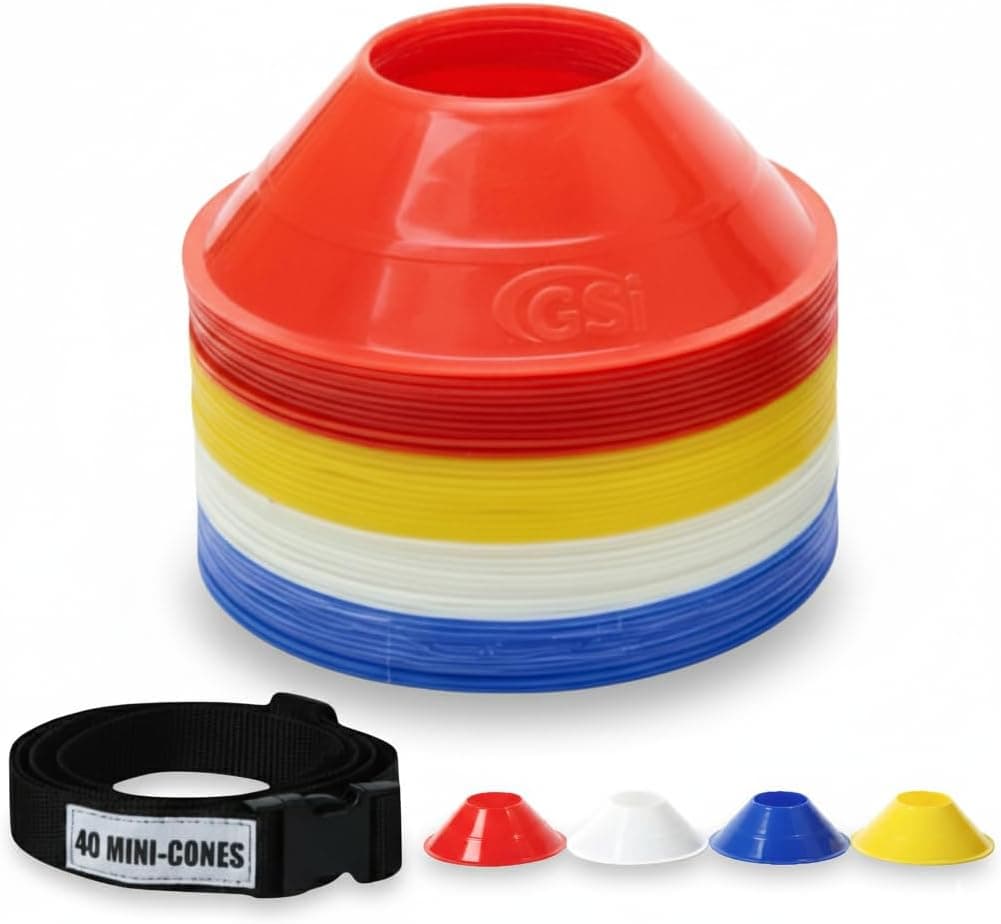
Disc Training Cones (Set of 40)
View on Amazon →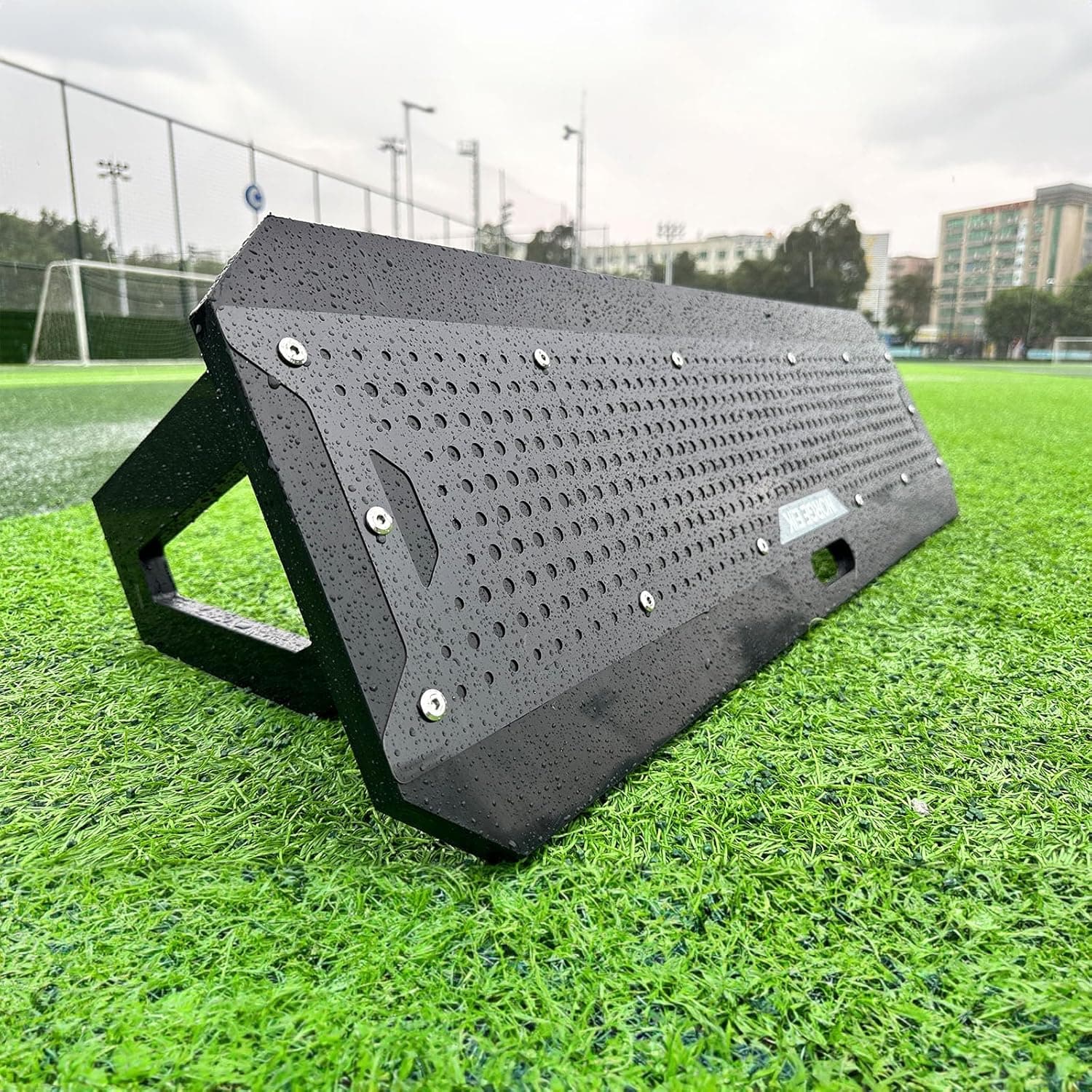
Soccer Rebounder
View on Amazon →As an Amazon Associate we earn from qualifying purchases, at no extra cost to you.